
Dr. Julie McCune
LPCCOhio · 25 yrs exp
Dr. Julie McCune - LPCC, aging and relationship concerns
Stress, Anxiety · LGBT · Relationship · Self esteem · +16 more
Read profileTherapists for older adults and their families, in the US, UK and Australia
Need help now?Therapist listings are provided by BetterHelp. We will earn a commission at no extra cost to you if you use our links to buy.
This page groups profiles of clinicians who list Visually Impaired among their focus areas and who also work with aging and later-life concerns. You can compare focus areas, listed approaches, credentials, languages and listed location as you look for a match.
Browse the profiles to learn more about each clinician's described experience and approach, then contact those you want to learn more about.
Ohio · 25 yrs exp
Dr. Julie McCune - LPCC, aging and relationship concerns
Stress, Anxiety · LGBT · Relationship · Self esteem · +16 more
Read profile
Florida · 14 yrs exp
LCSW - Stress and aging concerns
Stress, Anxiety · Grief · Anger · Self esteem · +12 more
Read profile
Colorado · 19 yrs exp
LCSW - Mood and later-life concerns
Stress, Anxiety · Relationship · Trauma and abuse · Grief · +12 more
Read profile
Missouri · 14 yrs exp
Licensed Professional Counselor - Aging and relationships
Stress, Anxiety · Self esteem · Career · Depression · +13 more
Read profile
Illinois · 12 yrs exp
LCPC - Aging and life transitions
Trauma and abuse · Self esteem · Coping with life changes · Coaching · +8 more
Read profile
New York · 25 yrs exp
LCSW - Stress and later-life concerns
Stress, Anxiety · Grief · Anger · Self esteem · +6 more
Read profile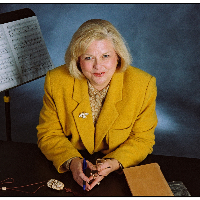
Massachusetts · 15 yrs exp
Licensed Mental Health Counselor - Aging and life changes
Stress, Anxiety · Grief · Depression · Coping with life changes · +12 more
Read profile
Oklahoma · 27 yrs exp
Licensed Professional Counselor - Aging and relationships
Stress, Anxiety · Addictions · Parenting · Anger · +11 more
Read profile
Massachusetts · 20 yrs exp
LICSW - Aging and life transitions
Stress, Anxiety · Self esteem · Career · Depression · +11 more
Read profile
Texas · 18 yrs exp
LPC - Trauma and addiction focus
Stress, Anxiety · Addictions · LGBT · Relationship · +14 more
Read profile
Florida · 37 yrs exp
Licensed Clinical Social Worker - Grief and Aging issues
Stress, Anxiety · Grief · Self esteem · Depression · +11 more
Read profile
California · 35 yrs exp
LMFT - relationships and later-life concerns
Stress, Anxiety · Relationship · Family · Trauma and abuse · +12 more
Read profile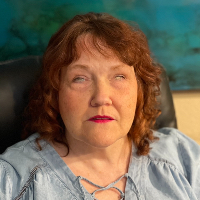
Texas · 16 yrs exp
Licensed Professional Counselor - Aging and relationship concerns
Stress, Anxiety · Family · Parenting · Bipolar · +11 more
Read profile
Florida · 35 yrs exp
Dr. Michaela Hammer, LCSW - Relationships and Aging
Relationship · Grief · Depression · Coping with life changes · +10 more
Read profile
Michigan · 40 yrs exp
Licensed LMSW - Aging and relationship concerns
Stress, Anxiety · Family · Grief · Self esteem · +16 more
Read profile
Ohio · 25 yrs exp
Ohio LPCC - Aging and geriatric issues focus
Stress, Anxiety · Relationship · Family · Trauma and abuse · +16 more
Read profile
Florida · 25 yrs exp
Licensed Mental Health Counselor - Relationships and Aging
Stress, Anxiety · Relationship · Intimacy-related issues · Depression
Read profile
Alabama · 20 yrs exp
Licensed Professional Counselor - Aging and life changes
Stress, Anxiety · Grief · Parenting · Depression · +13 more
Read profile
United Kingdom · 15 yrs exp
BACP counsellor - Later-life and relationship concerns
Stress, Anxiety · Family · Grief · Depression · +12 more
Read profile
Texas · 29 yrs exp
Licensed Professional Counselor - Anxiety and life changes
Stress, Anxiety · Anger · Self esteem · Depression · +8 more
Read profile
South Carolina · 20 yrs exp
Licensed LCSW and LISW - Aging and relationship concerns
Stress, Anxiety · LGBT · Relationship · Family · +6 more
Read profile
Michigan · 8 yrs exp
LMSW - Aging and life transitions
Stress, Anxiety · Self esteem · Depression · Coping with life changes · +9 more
Read profile
Massachusetts · 33 yrs exp
LICSW - Aging and midlife concerns
Stress, Anxiety · Grief · Self esteem · Depression · +10 more
Read profile
Illinois · 41 yrs exp
Licensed Clinical Social Worker - Aging and life changes
Stress, Anxiety · Parenting · Bipolar · Depression · +15 more
Read profileWhen you or someone you care about experiences vision loss or progressive low vision in later life, everyday routines and relationships can shift in ways that feel heavy and sometimes sudden. Retirement can alter daily structure and a sense of purpose. Health changes that accompany aging may add new limits on activity, and grieving the loss of independence or familiar ways of doing things is common. Loneliness can increase when social activities become harder to access, and family dynamics may change as adult children, siblings or friends step into caregiving or coordination roles.
You might find yourself asking what still matters and how to adapt emotionally and practically. Concerns about meaning, identity and role change are seen often in the later-life context. Conversations with a mental health professional can focus on adjusting to new realities, strengthening relationships that support you, or clarifying goals for how you want to spend your time. If you are supporting a parent, partner or friend, you may also want guidance on how to balance help with respect, how to communicate about changes, and how to manage caregiver strain without assuming you must do everything alone.
On this directory, Visually Impaired appears as a listed specialty alongside aging and later-life concerns for some clinicians. That pairing reflects that vision change is often one of several life events people face later in life, not a single cause for all difficulties. Therapists who list Visually Impaired among their focus areas may describe experience addressing the psychological and social impacts of vision change while also considering retirement, chronic health transitions, bereavement and family roles.
It is useful to think of vision-related challenges and later-life concerns as intersecting threads. For example, losing night driving ability may change how you socialize, which in turn affects mood and purpose. A clinician who understands both sensory changes and the social dimensions of aging can help you explore adaptive strategies, communication with family, and ways to maintain valued activities. This directory groups profiles so you can find clinicians who explicitly mention those intersections rather than assuming any single listing covers everything you need.
When you review profiles, prepare concrete questions to compare the kinds of support each clinician describes. Ask whether they list experience working with vision change in older adults and what that experience looked like in practice. You can ask which approaches they list and how those approaches might be adapted for someone with vision loss - for example, whether they use audio materials, phone sessions, or approaches that emphasize problem solving and behavioral experiments. Remember that profiles may list approaches like EMDR among the approaches they offer; that listing does not by itself verify current training or credential details, so ask for clarification in a conversation.
Look at academic degrees separately from permission to practice. A PhD, PsyD, MD, MA or MSW indicates an academic qualification. In the United States, also look for a state license - for example LCSW, LPC or LMFT - which indicates the clinician is authorized to practice in that jurisdiction. In the United Kingdom and Australia, profiles may show registration or membership with national registration boards or professional associations rather than a state license. Those terms refer to different regulatory systems, so ask clinicians how their credentials relate to their ability to practice in your listed location. Also ask about experience with family meetings, caregiver support, and cross-generational communication if those are important to you.
If you are considering remote sessions, discussing accessibility needs ahead of time helps you and the clinician plan a workable arrangement. Talk about preferred formats - whether you prefer audio-only conversations, a video call with large on-screen text, or materials sent as audio files rather than email attachments. Describe what assistive technology you use, such as screen readers or magnification devices, so the clinician can prepare materials in accessible formats. If you want family members or caregivers involved, discuss their role and whether they will join some sessions.
It is also reasonable to ask about session logistics that matter to you. Ask how the clinician handles note sharing and session summaries in ways that match your needs, and whether they can provide key handouts in accessible formats. If emergency planning is a concern, discuss how the clinician manages urgent situations and what steps they recommend for your listed location. Clarifying these practical details before sessions begin helps set expectations and reduces friction so you can focus on therapeutic work.
Comparing profiles means looking beyond a single phrase to how clinicians describe their practice. Start with whether the Visually Impaired focus appears alongside aging or later-life concerns and read the profile text to see how they talk about those topics. Note which therapeutic approaches are listed and imagine how those approaches might be adapted to your needs - for instance, therapists who list cognitive-behavioral approaches may emphasize problem solving and activity scheduling, while others who list narrative or meaning-focused approaches may focus more on life review and identity.
Language access can matter a great deal. If you need sessions in a language other than English, look for profiles that list specific languages. Listed location is useful to understand jurisdictional practice questions and time zone considerations. Pay attention to the mix of academic degrees and professional permissions in a profile - degrees such as PhD, PsyD, MD, MA or MSW tell you about training, while a state license in the US or a registration or membership indication in the UK and Australia speaks to current permission to practice in those systems. Finally, read how clinicians describe their style - whether they emphasize collaboration, practical skills, or exploratory conversation - and think about which tone fits you. If family or caregiving issues are central, look for profiles that mention working with caregivers or facilitating family discussions. Use these concrete comparisons to decide which profiles you want to contact to learn more about fit and next steps.
Alabama
72 therapists
Alaska
6 therapists
Arizona
64 therapists
Arkansas
44 therapists
Australia
99 therapists
California
363 therapists
Colorado
112 therapists
Connecticut
34 therapists
Delaware
8 therapists
District of Columbia
13 therapists
Florida
543 therapists
Georgia
133 therapists
Hawaii
16 therapists
Idaho
35 therapists
Illinois
173 therapists
Indiana
64 therapists
Iowa
28 therapists
Kansas
29 therapists
Kentucky
58 therapists
Louisiana
79 therapists
Maine
19 therapists
Maryland
66 therapists
Massachusetts
69 therapists
Michigan
194 therapists
Minnesota
51 therapists
Mississippi
42 therapists
Missouri
131 therapists
Montana
38 therapists
Nebraska
21 therapists
Nevada
29 therapists
New Hampshire
12 therapists
New Jersey
95 therapists
New Mexico
30 therapists
New York
227 therapists
North Carolina
186 therapists
North Dakota
6 therapists
Ohio
126 therapists
Oklahoma
73 therapists
Oregon
36 therapists
Pennsylvania
159 therapists
Rhode Island
7 therapists
South Carolina
84 therapists
South Dakota
7 therapists
Tennessee
74 therapists
Texas
422 therapists
United Kingdom
835 therapists
Utah
20 therapists
Vermont
10 therapists
Virginia
84 therapists
Washington
51 therapists
West Virginia
18 therapists
Wisconsin
87 therapists
Wyoming
14 therapists