
Lawrence "Lance" Bischoff
LCPCMontana · 16 yrs exp
LCPC - Stress and Relationship concerns
Stress, Anxiety · Relationship · Self esteem · Depression · +11 more
Read profileTherapists for older adults and their families, in the US, UK and Australia
Need help now?Therapist listings are provided by BetterHelp. We will earn a commission at no extra cost to you if you use our links to buy.
Browse profiles grouped under the listed location Montana to compare therapists who list aging and later-life concerns among their focus areas.
Compare focus areas, approaches, languages, credentials, and practice style, and check each individual profile to confirm the clinician can work with you where you live.
Montana · 16 yrs exp
LCPC - Stress and Relationship concerns
Stress, Anxiety · Relationship · Self esteem · Depression · +11 more
Read profile
Montana · 6 yrs exp
LCSW - Aging issues and mood concerns
Depression · Coping with life changes · Compassion fatigue · Stress, Anxiety · +9 more
Read profile
Montana · 24 yrs exp
Licensed Clinical Professional Counselor - relationships and life change
Stress, Anxiety · Relationship · Family · Parenting · +15 more
Read profile
Montana · 13 yrs exp
LCSW in Montana - Mood and life transitions
Stress, Anxiety · Relationship · Trauma and abuse · Bipolar · +10 more
Read profile
Montana · 13 yrs exp
LCPC and LMHC - Anxiety and Aging focus
Stress, Anxiety · Trauma and abuse · Sleeping · Self esteem · +5 more
Read profile
Montana · 3 yrs exp
LCPC therapist - Stress and mood concerns
Stress, Anxiety · Depression
Read profile
Montana · 5 yrs exp
Licensed Clinical Social Worker - Stress and Trauma
Stress, Anxiety · Family · Trauma and abuse · Anger · +1 more
Read profile
Montana · 7 yrs exp
Licensed Clinical Social Worker - Aging and stress concerns
Stress, Anxiety · Grief · Self esteem · Depression · +11 more
Read profile
Montana · 20 yrs exp
Licensed Clinical Social Worker - Relationships and Aging
Stress, Anxiety · Relationship · Family · Trauma and abuse · +14 more
Read profile
Montana · 20 yrs exp
Licensed Clinical Social Worker - Aging and life changes
Stress, Anxiety · Addictions · Relationship · Family · +11 more
Read profile
Montana · 23 yrs exp
Licensed Clinical Professional Counselor - Aging and family concerns
Stress, Anxiety · Family · Trauma and abuse · Parenting · +12 more
Read profile
Montana · 9 yrs exp
Licensed Clinical Social Worker - Aging and life changes
Stress, Anxiety · Trauma and abuse · Anger · Self esteem · +11 more
Read profile
Montana · 23 yrs exp
Montana LCSW - aging and relationship concerns
Stress, Anxiety · Relationship · Grief · Anger · +15 more
Read profile
Montana · 7 yrs exp
Licensed Clinical Social Worker - aging and life changes
Stress, Anxiety · Addictions · Relationship · Family · +16 more
Read profile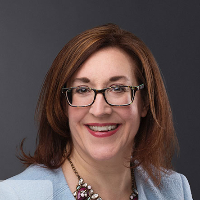
Montana · 32 yrs exp
Licensed Clinical Social Worker - Aging and relationship issues
Stress, Anxiety · Addictions · Trauma and abuse · Grief · +10 more
Read profile
Montana · 18 yrs exp
LCSW - Stress and life changes
Stress, Anxiety · Trauma and abuse · Self esteem · Coping with life changes · +6 more
Read profile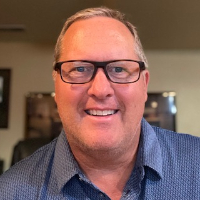
Montana · 30 yrs exp
Licensed Clinical Social Worker - Aging and mental health
Stress, Anxiety · Trauma and abuse · Self esteem · Depression · +13 more
Read profile
Montana · 25 yrs exp
Licensed Counselor - Aging and life transitions
Stress, Anxiety · Grief · Self esteem · Career · +6 more
Read profile
Montana · 13 yrs exp
Rev. Elizabeth Hector LCSW - Trauma and Aging support
Stress, Anxiety · LGBT · Trauma and abuse · Grief · +11 more
Read profile
Montana · 20 yrs exp
Licensed Clinical Social Worker - aging and life changes
Stress, Anxiety · Self esteem · Depression · Coping with life changes · +9 more
Read profile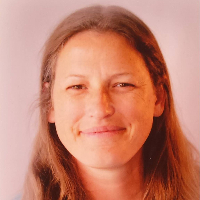
Montana · 3 yrs exp
Licensed counselor - Aging and relationship concerns
Stress, Anxiety · Family · Grief · Parenting · +10 more
Read profile
Montana · 15 yrs exp
Montana LCPC - Aging and family concerns
Family · Parenting · Self esteem · Depression · +11 more
Read profile
Montana · 22 yrs exp
Montana LCSW - life changes and relationships
Stress, Anxiety · Relationship · Trauma and abuse · Self esteem · +14 more
Read profile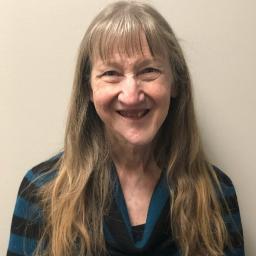
Montana · 30 yrs exp
LCSW - Aging issues and trauma informed
Stress, Anxiety · Grief · Self esteem · Depression · +8 more
Read profileAs you or a loved one move through retirement and into later decades, new questions often emerge about meaning, role changes, and relationships. You may be thinking about retirement transitions, shifts in health or daily routine, the emotional impact of loss, changing family dynamics, or increased caregiving responsibilities. Loneliness and social isolation can feel different in later life than they did earlier - you may find your social circle shrinking or your needs for companionship shifting. Some people are exploring a second career, volunteer work, or new ways to structure their days, while others are managing complex feelings about independence and interdependence.
When you look at profiles in Montana, think about which of these concerns most closely match your experience. Some clinicians list loss and bereavement as a focus; others highlight caregiving stress, retirement adjustment, or relationship changes in later life. These focus areas can help you narrow options, but they do not guarantee a specific method or outcome. Use the profile descriptions to form questions you can bring to an initial conversation, and remember to check the individual profile to confirm that the clinician can work with you where you live.
Profiles grouped under the listed location Montana mean the clinician has chosen Montana as a relevant place for their practice, but that does not automatically confirm a current permission to practice in every setting. If a clinician is based in the United States you will often see academic degrees such as PhD, PsyD, MD, MA, or MSW alongside references to a state license. A degree is an academic credential and is separate from professional licensure. In the US a state license is the regulatory permission to practice in a given state; in the UK and Australia you may see registration with a national regulator or membership in a professional body. Those phrases indicate different systems for oversight and public protection in each country.
When you review a profile, note both the academic degrees and any licensing, registration, or membership terms the clinician lists. A degree alone does not establish legal permission to provide clinical services where you live. If it matters to you, ask directly whether the clinician holds the relevant license or registration to work with clients in Montana or in your jurisdiction. Profiles may or may not include full details, so confirm these items before committing to a working relationship.
It helps to come to a conversation with concrete questions that clarify how a clinician might address the issues that brought you here. Ask which aging or later-life themes they list among their focus areas and how they typically approach those concerns. For example, you can ask whether they have experience supporting people through retirement adjustment, coping with loss, managing caregiving roles, or addressing loneliness. If certain approaches interest you, ask about them in the form of how the clinician uses those options - for instance, "Do you work with therapists who list cognitive-behavioral approaches among their methods, and how might that look for an older adult?" or "I see some clinicians list mindfulness or emotion-focused work - how might you use those when someone is grieving a partner?" These are options to discuss, not guarantees that every clinician adopts them.
Also ask about experience with family or intergenerational concerns if those are relevant. Some profiles list family relationships or caregiving stress as areas of focus; you can ask whether the clinician routinely involves adult children in sessions, offers guidance about family communication, or works with caregivers to manage role strain. Be clear about what you want to address and ask the clinician how they typically frame goals and timing when working with later-life concerns.
If you are considering online care from a clinician listed under Montana, there are practical and clinical topics to address up front. Confirm whether the clinician indicates permission to work with clients where you live - licensing and registration rules affect where a clinician can provide care across state and national borders. Discuss the technology you plan to use and whether the clinician has preferences or recommendations for devices, video platforms, or phone-only sessions. It is reasonable to ask how they handle scheduling, missed sessions, and boundaries around communication between meetings so you know what to expect.
You should also talk about privacy and record-keeping practices and any risks particular to online work, without assuming legal advice or medical recommendations. If emergency planning is relevant to your situation, ask how the clinician handles crisis situations when you are not in the same locality, and whether they will identify local resources or supports to use in an urgent moment. These conversations help set clear expectations and let you compare clinicians based on how they handle practicalities as well as therapeutic approach.
Comparing profiles is most useful when you pay attention to specific dimensions that matter to you. Look at the focus areas clinicians list to find those who explicitly mention issues like bereavement, caregiving stress, retirement adjustment, or loneliness. Next, notice the approaches they include - you will find descriptions noting that a clinician lists certain approaches among their methods. Treat those listings as starting points for questions rather than as proofs of particular training or outcomes. Language offerings are another important practical factor; if you prefer to work in a language other than English, look for profiles that list that language and follow up about conversational fluency and experience conducting therapy in that language.
When you compare credentials, keep degrees and professional permissions distinct. A profile may state a PhD, PsyD, MA, or MSW and separately list a license, registration, or professional membership. If you need someone with a specific license type in Montana or a registration in the UK or Australia, ask directly. Also pay attention to practice style cues found in profile descriptions - some clinicians describe a collaborative, problem-solving orientation, while others emphasize reflective, exploratory work. Those stylistic notes can help you anticipate how the clinician might work with your goals. After narrowing your options, open individual profiles to confirm jurisdictional permission to work with you where you live and to prepare a few focused questions for a first conversation.
Addictions
2793 therapists
Anger
3279 therapists
Cancer
1833 therapists
Chronic Illness
2331 therapists
Depression
4694 therapists
Grief
4211 therapists
Guilt and Shame
4129 therapists
Isolation / Loneliness
4145 therapists
Midlife Crisis
3523 therapists
Mood Disorders
3281 therapists
Panic Disorder and Panic Attacks
3075 therapists
Post-Traumatic Stress
3444 therapists
Self Esteem
4514 therapists
Sleeping Disorders
1765 therapists
Social Anxiety and Phobia
3698 therapists
Stress & Anxiety
5030 therapists
Trauma and Abuse
3990 therapists
Traumatic Brain Injury
834 therapists
Aging and Geriatric Issues
5294 therapists
Blended Family Issues
2802 therapists
Caregiver Issues and Stress
3946 therapists
Communication Problems
4293 therapists
Compassion Fatigue
2880 therapists
Coping with Life Changes
4444 therapists
Divorce
3546 therapists
Family
3758 therapists
Family of Origin Issues
2748 therapists
Forgiveness
3877 therapists
Hospice and End-of-Life Counseling
2525 therapists
Life Purpose
4279 therapists
Money and Financial Issues
2193 therapists
Parenting
3170 therapists
Relationship
4310 therapists
Workplace Issues
3554 therapists