
Teresa Adams
LPCMississippi · 16 yrs exp
Licensed Professional Counselor - Relationships and Later-life concerns
Stress, Anxiety · Relationship · Family · Parenting · +6 more
Read profileTherapists for older adults and their families, in the US, UK and Australia
Need help now?Therapist listings are provided by BetterHelp. We will earn a commission at no extra cost to you if you use our links to buy.
On this Mississippi page you can compare profiles of therapists who list aging and later-life concerns among their focus areas. Browse approaches, languages, credentials, and practice style to help identify professionals to consider.
Mississippi · 16 yrs exp
Licensed Professional Counselor - Relationships and Later-life concerns
Stress, Anxiety · Relationship · Family · Parenting · +6 more
Read profile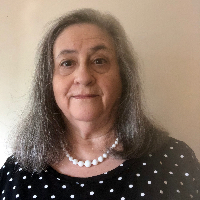
Mississippi · 23 yrs exp
Licensed Clinical Social Worker - Aging and life changes
Stress, Anxiety · Grief · Anger · Self esteem · +8 more
Read profile
Mississippi · 36 yrs exp
LCSW - family and life transitions
Family · Parenting · Anger · Self esteem · +11 more
Read profile
Mississippi · 15 yrs exp
Licensed Professional Counselor - Aging and relationships
Stress, Anxiety · Addictions · Relationship · Family · +5 more
Read profile
Mississippi · 51 yrs exp
Dr. Ricardo Gillispie, PhD, LCSW - LCSW for aging and mental health
Stress, Anxiety · Relationship · Self esteem · Depression · +15 more
Read profile
Mississippi · 15 yrs exp
LPC in Mississippi - aging and life changes
Stress, Anxiety · Relationship · Family · Depression · +14 more
Read profile
Mississippi · 23 yrs exp
LCSW - Addictions and Later-life concerns
Addictions · LGBT · Family · Grief · +10 more
Read profile
Mississippi · 7 yrs exp
Licensed Professional Counselor - Aging and life changes
Stress, Anxiety · Family · Trauma and abuse · Self esteem · +8 more
Read profile
Mississippi · 20 yrs exp
Licensed Professional Counselor - Stress and Aging
Stress, Anxiety · Addictions · Trauma and abuse · Coping with life changes · +7 more
Read profile
Mississippi · 6 yrs exp
LMFT - Relationships and Life Changes
Relationship · Family · Parenting · Self esteem · +10 more
Read profile
Mississippi · 23 yrs exp
Licensed Professional Counselor - Aging and relationship concerns
Stress, Anxiety · Relationship · Family · Trauma and abuse · +14 more
Read profile
Mississippi · 5 yrs exp
MS LPC - Stress and life changes
Stress, Anxiety · Trauma and abuse · Self esteem · Coping with life changes · +1 more
Read profile
Mississippi · 14 yrs exp
LPC - Stress and life changes
Stress, Anxiety · Relationship · Self esteem · Depression · +1 more
Read profile
Mississippi · 5 yrs exp
LCSW - Trauma and life changes
Trauma and abuse · Grief · Self esteem · Career · +1 more
Read profile
Mississippi · 4 yrs exp
Licensed Professional Counselor - Aging and life changes
Stress, Anxiety · Addictions · Self esteem · Depression · +1 more
Read profile
Mississippi · 35 yrs exp
MS LPC - Stress and life changes
Stress, Anxiety · Trauma and abuse · Grief · Depression · +11 more
Read profile
Mississippi · 25 yrs exp
LPC counselor - anxiety and aging issues
Stress, Anxiety · Relationship · Family · Grief · +15 more
Read profile
Mississippi · 21 yrs exp
Licensed Professional Counselor - Aging and life changes
Stress, Anxiety · Self esteem · Depression · Coping with life changes · +15 more
Read profile
Mississippi · 16 yrs exp
LCSW specialising in mood and aging concerns
Stress, Anxiety · Trauma and abuse · Grief · Anger · +13 more
Read profile
Mississippi · 26 yrs exp
LPC counselor - aging and relationship concerns
Stress, Anxiety · Relationship · Family · Trauma and abuse · +10 more
Read profile
Mississippi · 30 yrs exp
LMFT - Stress and aging related concerns
Stress, Anxiety · Addictions · Trauma and abuse · Grief · +1 more
Read profile
Mississippi · 31 yrs exp
Licensed Clinical Social Worker - Aging and relationship concerns
Stress, Anxiety · Grief · Intimacy-related issues · Self esteem · +11 more
Read profile
Mississippi · 9 yrs exp
Licensed Professional Counselor - Family and trauma
Family · Trauma and abuse · Grief · Self esteem · +8 more
Read profile
Mississippi · 21 yrs exp
LCSW - Stress and later-life concerns
Stress, Anxiety · Self esteem · Depression · Coping with life changes · +12 more
Read profileAs you explore therapists who list aging and later-life concerns, you will find people who focus on a wide range of life transitions and emotional challenges. Retirement often brings a mix of relief, uncertainty, and a search for new meaning. Changes in health, mobility, or roles can shift how you spend days and how you relate to family and friends. Loss and bereavement are common across later adulthood, and many people look for help processing grief or navigating anniversaries and reminders. Loneliness and reduced social contact can affect mood and motivation, while new or intensified caregiving responsibilities can create stress, role confusion, and difficult family dynamics. Relationships with adult children, partners, or friends may need adjustment as circumstances change.
When you read profiles, keep in mind that not every person who is listed under Mississippi treats the same mix of concerns. Some therapists emphasize helping people find new purpose and routines after retirement, while others highlight support for navigating complex family conversations or managing the emotional weight of caregiving. You can use the profiles to identify professionals whose stated interests align with the particular transition or concern you or a loved one is facing.
The page groups profiles under the listed location Mississippi, but that grouping does not by itself prove a physical office or that a professional holds permission to practice in every part of the state. Profiles reflect what each clinician has entered about their practice and focus areas. It is important to read individual profiles carefully and follow up with any clinician to confirm whether they are able to work with you where you live.
Credentials shown on profiles often include academic degrees and professional registrations. Academic degrees such as PhD, PsyD, MD, MA, and MSW describe the level or field of education a clinician has completed. Professional permission to practice can be expressed differently depending on the country. In the United States clinicians commonly hold state-level licenses with abbreviations like LCSW, LPC, or LMFT. In the United Kingdom and in Australia clinicians may be registered with, or members of, national professional bodies rather than holding a state license. A degree alone does not indicate current permission to practice; similarly, listing a membership or registration is not the same as a license in the United States. When a profile mentions approaches or specialties, remember that those are self-reported and are best discussed directly with the clinician if they seem relevant to your needs.
When you contact a clinician whose profile interests you, clear and specific questions help you learn whether their experience matches your priorities. Ask how often they have worked with people facing retirement transitions and what kinds of goals they typically help them set. If grief or loss is central to your situation, ask about their experience supporting bereavement and coping with ongoing reminders. For caregiving concerns, you can ask how they balance attention to the caregiver's wellbeing with practical problem-solving around care responsibilities and family communication.
It is reasonable to ask about the ways they describe their therapeutic approach. Some clinicians list cognitive or narrative approaches, meaning they may focus on how thoughts and stories shape experience, while others may mention life review or meaning-centered work as options to explore later-life reflections. If you see a particular approach named that interests you, phrase your question as curiosity - for example, ask how they tend to apply that approach when working with older adults rather than assuming it is the only way they work. Also ask about work with families or with adult children if that is important to your situation. Concrete, behavioral examples of past work are more helpful than general claims about methods or certificates, and you can ask for a short description of a recent non-identifying example of the kinds of issues they help people address.
Many therapists offer meetings at a distance, and if you are considering online care there are practical topics to cover in advance. Confirm whether the clinician is authorized to provide care to people in the jurisdiction where you live, since rules about cross-border practice differ across the United States, the United Kingdom, and Australia. Ask how they handle emergency planning - that is, what steps they recommend and what local resources they will suggest if you need immediate, in-person support. This helps you and the clinician understand how to respond if a crisis arises.
Discuss technology and environment as well. You can ask what platforms they use and what kind of internet or device setup they recommend. It is also reasonable to plan for a quiet, private space where you will take your meeting, and to ask about ways they protect information and manage records. If mobility or hearing and vision considerations matter, ask how they adapt meetings to reduce fatigue and improve communication. Finally, clarify whether they routinely involve family members and, if so, how they structure those conversations so that your goals remain central.
Profiles give snapshot information you can use to compare clinicians along practical dimensions. Focus areas tell you which later-life topics a clinician has chosen to highlight, such as retirement adjustment, caregiver stress, grief, loneliness, or family relationship changes. Read those focus statements alongside the approaches they list to see whether the clinician frames problems in a way that resonates with you. If language access matters, look for clinicians who list the languages they speak and consider whether that will affect how comfortable you feel discussing sensitive issues.
Examine academic degrees and professional permissions as separate but related pieces of information. A PhD or MD indicates a particular course of study; a state license in the United States or registration in the UK or Australia indicates an administrative permission or membership relevant to practice. If a profile lists specific therapeutic approaches, treat those entries as topics to discuss rather than as proof of training. Ask direct questions if a particular technique is important to you - for example, how often they use it, with what kinds of clients, and what clients typically say about the experience.
Finally, pay attention to indications of therapeutic style and personal fit. Profiles sometimes describe whether a clinician tends toward direct problem-solving, reflective exploration, practical planning, or a combination of styles. Consider what style feels most likely to support your current goals. If you are helping an older relative, think about how well the clinician communicates with family members and whether they describe experience navigating intergenerational dynamics. Always follow up by checking the individual profile and confirming that the clinician is able to work with you where you live before making decisions about next steps.
By comparing profiles on these dimensions - concerns addressed, languages, credentials, and style - you can narrow your choices to a few clinicians to contact. Clear, specific questions and a brief conversation can give you the information you need to decide who might be a good fit for the particular challenges and transitions you or a loved one are facing in Mississippi.
Addictions
2793 therapists
Anger
3279 therapists
Cancer
1833 therapists
Chronic Illness
2331 therapists
Depression
4694 therapists
Grief
4211 therapists
Guilt and Shame
4129 therapists
Isolation / Loneliness
4145 therapists
Midlife Crisis
3523 therapists
Mood Disorders
3281 therapists
Panic Disorder and Panic Attacks
3075 therapists
Post-Traumatic Stress
3444 therapists
Self Esteem
4514 therapists
Sleeping Disorders
1765 therapists
Social Anxiety and Phobia
3698 therapists
Stress & Anxiety
5030 therapists
Trauma and Abuse
3990 therapists
Traumatic Brain Injury
834 therapists
Aging and Geriatric Issues
5294 therapists
Blended Family Issues
2802 therapists
Caregiver Issues and Stress
3946 therapists
Communication Problems
4293 therapists
Compassion Fatigue
2880 therapists
Coping with Life Changes
4444 therapists
Divorce
3546 therapists
Family
3758 therapists
Family of Origin Issues
2748 therapists
Forgiveness
3877 therapists
Hospice and End-of-Life Counseling
2525 therapists
Life Purpose
4279 therapists
Money and Financial Issues
2193 therapists
Parenting
3170 therapists
Relationship
4310 therapists
Workplace Issues
3554 therapists