
Lorraine Helferich
LCPCMaryland · 6 yrs exp
Licensed Clinical Professional Counselor - Aging and relationships
Stress, Anxiety · Trauma and abuse · Self esteem · Coping with life changes · +10 more
Read profileTherapists for older adults and their families, in the US, UK and Australia
Need help now?Therapist listings are provided by BetterHelp. We will earn a commission at no extra cost to you if you use our links to buy.
Explore profiles of professionals listed in Maryland to compare focus areas, approaches, credentials, languages, and experience related to aging and later-life concerns. Open any profile to learn more and confirm the individual’s permission to work where you live before making contact.
Maryland · 6 yrs exp
Licensed Clinical Professional Counselor - Aging and relationships
Stress, Anxiety · Trauma and abuse · Self esteem · Coping with life changes · +10 more
Read profile
Maryland · 6 yrs exp
Licensed Clinical Social Worker - Aging and relationship concerns
Stress, Anxiety · Addictions · Relationship · Family · +16 more
Read profile
Maryland · 25 yrs exp
Licensed Clinical Social Worker - Aging and mental health
Stress, Anxiety · Addictions · Trauma and abuse · Grief · +8 more
Read profile
Maryland · 46 yrs exp
Licensed clinical social worker - aging and life changes
Stress, Anxiety · Grief · Depression · Coping with life changes · +15 more
Read profile
Maryland · 8 yrs exp
LCPC counselor - Aging and life changes
Stress, Anxiety · Trauma and abuse · Grief · Depression · +1 more
Read profile
Maryland · 6 yrs exp
LCSW-C in Maryland - relationships and aging issues
Relationship · Family · Grief · Coping with life changes · +6 more
Read profile
Maryland · 10 yrs exp
Licensed clinical social worker - aging and relationships
Stress, Anxiety · LGBT · Relationship · Family · +13 more
Read profile
Maryland · 13 yrs exp
LCSW-C in Maryland - Stress and relationships
Stress, Anxiety · Relationship · Trauma and abuse · Grief · +1 more
Read profile
Maryland · 27 yrs exp
Licensed social worker - Relationships and aging
Stress, Anxiety · Relationship · Grief · Anger · +8 more
Read profile
Maryland · 30 yrs exp
Dr. Bernadette Boozer-Madison, LMFT - Relationships and Aging
Stress, Anxiety · Addictions · Relationship · Family · +12 more
Read profile
Maryland · 20 yrs exp
LCSW-C - Mood and life changes
Stress, Anxiety · Trauma and abuse · Anger · Depression · +11 more
Read profile
Maryland · 40 yrs exp
Licensed Clinical MFT - Aging and relationship care
Stress, Anxiety · Relationship · Family · Trauma and abuse · +8 more
Read profile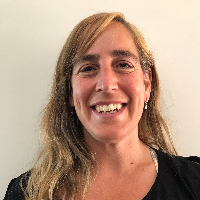
Maryland · 3 yrs exp
Licensed Clinical Social Worker - Aging and life changes
Stress, Anxiety · Grief · Parenting · Coping with life changes · +8 more
Read profile
Maryland · 15 yrs exp
LCSW-C in Maryland - aging and life changes
Stress, Anxiety · Addictions · Trauma and abuse · Grief · +10 more
Read profile
Maryland · 20 yrs exp
Licensed counselor - Aging and relationship concerns
Stress, Anxiety · Addictions · Anger · Bipolar · +13 more
Read profile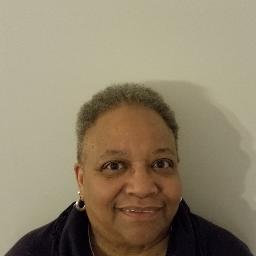
Maryland · 21 yrs exp
LCPC in Maryland - Aging and relationships
Stress, Anxiety · Addictions · Trauma and abuse · Grief · +10 more
Read profile
Maryland · 40 yrs exp
Licensed social worker - relationships and aging issues
Relationship · Family · Trauma and abuse · Grief · +1 more
Read profile
Maryland · 9 yrs exp
LCSW in Maryland - Aging and geriatric issues
Trauma and abuse · Grief · Self esteem · Career · +8 more
Read profile
Maryland · 22 yrs exp
LCSW-C in Maryland - Aging and relationship issues
Stress, Anxiety · Addictions · Trauma and abuse · Grief · +10 more
Read profile
Maryland · 25 yrs exp
LCSW-C - Aging and later-life concerns
Stress, Anxiety · Addictions · Trauma and abuse · Depression
Read profile
Maryland · 12 yrs exp
LCPC in Maryland - Relationships and Aging issues
Stress, Anxiety · Relationship · Self esteem · Depression · +8 more
Read profile
Maryland · 35 yrs exp
Psychologist - Stress and life changes
Stress, Anxiety · Grief · Self esteem · Coping with life changes · +2 more
Read profile
Maryland · 20 yrs exp
Licensed counselor - aging and life changes
Stress, Anxiety · Family · Grief · Self esteem · +9 more
Read profile
Maryland · 8 yrs exp
LCSW-C clinician - grief and life changes
Grief · Self esteem · Stress, Anxiety · Relationship · +7 more
Read profileWhen you or a loved one are facing retirement, health changes, loss, or shifts in family roles, emotional responses can be complex and changeable. You might be wrestling with questions about purpose, adapting to new routines, or balancing caregiving responsibilities with your own needs. Loneliness and shifting social networks are common, as friendships and daily rhythms evolve. Thinking in plain language about what matters to you - whether it is grief after the death of a partner, stress from being a family caregiver, navigating relationship changes, or adjusting to a new chapter after retirement - helps you focus on the kind of professional support that could help you explore those issues.
As you read profiles, notice how practitioners describe their experience with topics that match your needs. Some profiles may emphasize support for grief and loss, others may highlight caregiver stress, and some may refer to work around meaning and identity in later life. Therapists who list chronic illness or mobility changes among their focus areas may frame support around coping and adaptation rather than medical or diagnostic services. Use those descriptions to narrow which profiles feel relevant and then follow up to ask specifics about how they work with people in situations similar to yours.
This page groups profiles under the listed location Maryland. That grouping is not evidence of an office, physical proximity, eligibility for every resident, or an active license in that location. Profiles may belong to professionals who serve clients in different states or countries through online work, or who maintain offices elsewhere. Always check an individual profile for details and confirm that the professional has permission to work with you where you live.
Profiles will show academic degrees such as PhD, PsyD, MD, MA, or MSW, which describe the person’s education. Degrees are different from the regulatory permissions and professional registrations that allow practice in a given country or state. In the United States, look for references to a state license - that indicates the practitioner has met criteria in a particular state. In the United Kingdom, professionals may list registration with a regulatory body or membership in a professional association, and in Australia you may see registration with national boards or membership in recognized organisations. A degree alone does not establish current permission to practice. When you view a profile, consider both the academic credentials and the licensing, registration, or membership information provided, and ask the practitioner to confirm their current standing for the place where you live.
Before you reach out, prepare a few concrete questions that help you compare how therapists describe their work. You might ask what kinds of later-life concerns they most often support, and whether they have experience working with people in similar family or caregiving roles to yours. Ask how they frame goals - whether they focus on coping strategies, exploring meaning and identity, managing role transitions, or strengthening family communication. If certain therapeutic approaches appeal to you, request clarity by asking whether the therapist lists those approaches among their methods and how they typically apply them with older adults. For example, you could ask how they adapt a cognitive-behavioral approach for someone experiencing loss or how they support caregivers juggling practical demands and emotional strain.
Also ask concrete logistical questions that matter in practice. Find out what languages the therapist uses in sessions, and whether they have experience at the intersection of culture, aging, and family expectations. Ask how they document consent and discuss information-sharing boundaries and privacy practices for notes and online interactions. If meeting in person is important, ask about the setting described on the profile and whether the practitioner sees people in a particular kind of office or community setting in Maryland. If you are relying on a profile to indicate professional qualifications, request confirmation of any licenses, registrations, or memberships that are relevant to your location and needs.
If you are considering online sessions or phone-based work, there are specific practical topics to cover so you understand how that format will work for you. Ask which platforms the therapist uses and what kind of technical requirements are needed on your end, including internet speed and device type. Discuss how they handle intake paperwork, consent forms, and any written agreements in digital form. Talk about how the therapist manages privacy and data protection for electronic communication, and what steps you can take to protect your own information at home or on shared devices.
It is also important to clarify geographic permissions since cross-border work is regulated differently in the United States, the United Kingdom, and Australia. Ask whether the practitioner is allowed to provide care to someone located in Maryland at the time of sessions. If you are caring for someone with limited mobility or sensory needs, ask how the therapist adapts session structure, such as allowing more frequent breaks or using larger text and clear audio. Finally, discuss what to do in an emergency or crisis, including how the practitioner would coordinate with local supports in Maryland or with family members, because emergency response responsibilities vary by location.
When you compare profiles, read descriptions for specificity. A profile that says the therapist works with loss could range from short-term grief support to longer-term meaning work after major life changes. Look for details about the kinds of life transitions, caregiving contexts, or relationship patterns the therapist mentions. Language offerings can make a big difference - if you or a family member prefer to speak in a language other than English, check the profile to see which languages are offered and whether the therapist mentions cultural competence relevant to your background.
Consider how a profile represents therapeutic style. Some therapists describe a reflective, exploratory approach aimed at understanding life stories and values, while others emphasize practical skills and strategies for daily living and stress management. Remember that profiles may list approaches such as cognitive-behavioral methods, narrative work, or emotion-focused practices; these are options to discuss rather than guaranteed techniques on every case. When in doubt, ask for examples of how they have helped people work through similar issues, without expecting outcomes to be promised. Comparing how clearly and thoughtfully a practitioner explains their work on the profile can help you decide which conversations to initiate.
Ultimately, profiles are a starting point to identify practitioners whose descriptions align with your priorities around aging and later-life concerns in Maryland. Use the information on each profile to form specific questions, confirm credentials and permission to work in your state, and choose a person whose approach and language feel like a constructive fit for the concerns you want to address.
Addictions
2793 therapists
Anger
3279 therapists
Cancer
1833 therapists
Chronic Illness
2331 therapists
Depression
4694 therapists
Grief
4211 therapists
Guilt and Shame
4129 therapists
Isolation / Loneliness
4145 therapists
Midlife Crisis
3523 therapists
Mood Disorders
3281 therapists
Panic Disorder and Panic Attacks
3075 therapists
Post-Traumatic Stress
3444 therapists
Self Esteem
4514 therapists
Sleeping Disorders
1765 therapists
Social Anxiety and Phobia
3698 therapists
Stress & Anxiety
5030 therapists
Trauma and Abuse
3990 therapists
Traumatic Brain Injury
834 therapists
Aging and Geriatric Issues
5294 therapists
Blended Family Issues
2802 therapists
Caregiver Issues and Stress
3946 therapists
Communication Problems
4293 therapists
Compassion Fatigue
2880 therapists
Coping with Life Changes
4444 therapists
Divorce
3546 therapists
Family
3758 therapists
Family of Origin Issues
2748 therapists
Forgiveness
3877 therapists
Hospice and End-of-Life Counseling
2525 therapists
Life Purpose
4279 therapists
Money and Financial Issues
2193 therapists
Parenting
3170 therapists
Relationship
4310 therapists
Workplace Issues
3554 therapists