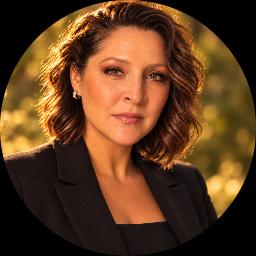
Brandy Gardner
VA Psychologist 0810008496Virginia · 20 yrs exp
VA Psychologist - Aging and stress support
Read profileTherapists for older adults and their families, in the US, UK and Australia
Need help now?Therapist listings are provided by BetterHelp. We will earn a commission at no extra cost to you if you use our links to buy.
Compare profiles of therapists listed in Virginia who indicate aging and later-life concerns among their focus areas. Browse profiles to compare approaches, credentials, languages and practice notes, and check each profile to confirm a therapist's permission to work where you live.
Virginia · 20 yrs exp
VA Psychologist - Aging and stress support
Read profile
Virginia · 4 yrs exp
Licensed Clinical Social Worker - Aging and life changes
Stress, Anxiety · Grief · Anger · Self esteem · +10 more
Read profile
Virginia · 35 yrs exp
Licensed Clinical Social Worker - Aging and life changes
Stress, Anxiety · Eating · Self esteem · Depression · +13 more
Read profile
Virginia · 27 yrs exp
Licensed Professional Counselor - Aging and relationship concerns
Stress, Anxiety · Addictions · Anger · Self esteem · +9 more
Read profile
Virginia · 5 yrs exp
Licensed Professional Counselor - Relationships and Life Changes
Relationship · Intimacy-related issues · Self esteem · Career · +11 more
Read profile
Virginia · 35 yrs exp
Licensed clinical social worker - stress and family issues
Stress, Anxiety · Family · Trauma and abuse · Self esteem · +1 more
Read profile
Virginia · 30 yrs exp
LCSW-C in Maryland and LCSW in Virginia - Aging and relationship care
Stress, Anxiety · Relationship · Parenting · Self esteem · +1 more
Read profile
Virginia · 7 yrs exp
Licensed Professional Counselor - Stress and LGBT issues
Stress, Anxiety · LGBT · Trauma and abuse · Grief · +1 more
Read profile
Virginia · 3 yrs exp
Licensed Clinical Social Worker - Stress and Trauma
Stress, Anxiety · Trauma and abuse · Self esteem · Depression
Read profile
Virginia · 7 yrs exp
LPC in Virginia - Trauma and Addiction focus
Addictions · LGBT · Trauma and abuse · Grief · +1 more
Read profile
Virginia · 4 yrs exp
Licensed Professional Counselor - Stress and Trauma
Stress, Anxiety · Trauma and abuse · Parenting · Depression · +1 more
Read profile
Virginia · 16 yrs exp
LCSW - Mental health and aging concerns
Stress, Anxiety · Grief · Self esteem · Depression · +12 more
Read profile
Virginia · 15 yrs exp
Licensed counselor - Aging and geriatric issues
Stress, Anxiety · Grief · Eating · Career · +13 more
Read profile
Virginia · 35 yrs exp
Licensed Clinical Social Worker - Aging and mood concerns
Stress, Anxiety · Trauma and abuse · Grief · Depression · +12 more
Read profile
Virginia · 28 yrs exp
Licensed LPC and LCMHC - aging and relationships
Stress, Anxiety · Relationship · Family · Depression · +12 more
Read profile
Virginia · 9 yrs exp
Licensed Professional Counselor - Mood and aging concerns
Stress, Anxiety · LGBT · Self esteem · Bipolar · +11 more
Read profile
Virginia · 20 yrs exp
Dr. Cheryl Mansfield LICSW LCSW - Aging and later-life issues
Stress, Anxiety · Addictions · Relationship · Family · +9 more
Read profile
Virginia · 32 yrs exp
Dr. Joseph Bullock LCPC LPC - Aging and life changes
Stress, Anxiety · Addictions · Anger · Depression · +10 more
Read profile
Virginia · 3 yrs exp
LCSW - Aging and life changes
Stress, Anxiety · Relationship · Self esteem · Depression · +10 more
Read profile
Virginia · 24 yrs exp
Dr. Sonya Medina - VA Psychologist, aging and later-life concerns
Stress, Anxiety · Trauma and abuse · Grief · Self esteem · +9 more
Read profile
Virginia · 20 yrs exp
Dr. Darlene Anderson - LPC, LCMHC; Aging and relationships
Stress, Anxiety · Relationship · Self esteem · Depression · +10 more
Read profile
Virginia · 10 yrs exp
Licensed Clinical Social Worker - Aging and mental health
Stress, Anxiety · Relationship · Family · Trauma and abuse · +10 more
Read profile
Virginia · 16 yrs exp
Licensed Professional Counselor - Stress and Aging
Stress, Anxiety · LGBT · Family · Grief · +10 more
Read profile
Virginia · 30 yrs exp
LCSW in Virginia - Aging and life changes
Stress, Anxiety · Relationship · Career · Coping with life changes · +13 more
Read profileWhen you or a family member search for a therapist in Virginia, you may be looking for help with transitions that often arrive in later life. Retirement can bring a sudden change in daily rhythm and identity, and health changes may alter how you approach activities you once enjoyed. Loss shows up in many forms - bereavement after the death of a partner, the end of a role, or the shrinking of a social circle. Loneliness and the desire for connection are frequent reasons people seek support, as are stress and burnout for those who take on caregiving roles for aging relatives. Family relationships can become more complicated as adult children and parents negotiate independence, decision-making, and boundaries. Many people are also searching for renewed meaning and purpose, wanting a sense of direction after major life changes. You do not need to be seriously ill or elderly to want support; these topics affect people across a wide span of ages and circumstances.
The directory groups profiles under the listed location Virginia, but that listed location does not by itself prove an office address or current permission to practice there. Each profile is the place to check for details about where a clinician works and what kinds of practice permissions they hold. In the United States clinicians commonly note professional licenses such as LCSW, LPC, LMFT, or state-issued clinical psychologist licenses. In the United Kingdom and Australia you may see references to professional registration or membership with national regulators or professional bodies. Academic degrees - PhD, PsyD, MD, MA, MSW and similar credentials - indicate educational background but are not the same as a license or registration. A degree alone does not establish that a person has current authorization to provide therapeutic services in a particular jurisdiction. When reviewing a profile, look for explicit statements about the clinician's permission to work where you live and, if that information is not present, ask the clinician directly before starting work together.
Preparing a set of clear questions can help you compare profiles and decide who to contact. You might ask how the clinician describes their work with people navigating retirement transitions, and whether they have experience helping someone reorient their daily life after leaving paid employment. If grief or loss is central to your concerns, ask how they typically support people through bereavement and whether they work with surrounding family dynamics. For caregiving stress, you can ask about examples of how they help people manage role overload, boundary setting, and difficult conversations with care providers. If you are supporting an older relative, ask how they involve family members and how they approach family relationships when multiple perspectives are present. When you see therapy approaches listed on a profile - for example cognitive approaches, psychodynamic work, mindfulness-influenced methods, or therapists who list EMDR among their approaches - ask the clinician to describe how they apply those approaches to later-life concerns and what a typical course of work might focus on. Concrete questions help you move beyond labels: ask how they would prioritize immediate concerns, how they tend to measure progress, and what kinds of follow-up or coordination with other professionals they typically discuss with clients. These conversations will give you a clearer sense of whether their style and experience match what you need.
If you are considering online or remote work, there are practical topics to cover before you begin. Confirm where the clinician is permitted to provide services and whether that permission covers your location; cross-jurisdiction rules vary between the United States, the United Kingdom, and Australia. Discuss what platform they use for sessions and what technical requirements you will need on your end. Talk about how they handle situations where you may need urgent help or local resources - for example, who they will contact or what steps they recommend if a safety concern arises - and ask how they will coordinate with local emergency services if that becomes necessary. Clarify administrative details such as how records are maintained and how to reschedule sessions, and ask about expected time zone differences if you or the clinician travel. It is appropriate to raise questions about language preferences, cultural background, mobility or hearing considerations, and any adjustments that would make it easier for you to engage fully in sessions. Discussing these topics in advance helps set clear expectations about logistics and the practical side of working together online or at a distance.
When you view profiles grouped under Virginia, compare them on the dimensions that matter most to you. Focus areas listed on a profile - such as retirement transitions, loss and bereavement, caregiving roles, family relationships, and meaning in later life - indicate topics the clinician highlights; use those keywords to narrow in on people whose listed interests align with your priorities. Languages spoken are important if you prefer therapy in a language other than English or want a clinician who understands cultural context; look for profiles that list language abilities and read any notes about cultural competence. For credentials, note the distinction between degrees and professional permission: a PhD or PsyD describes academic training, while state licenses in the U.S. or registration in the U.K. and Australia indicate regulatory status. If a profile does not make licensing or registration clear, you can ask the clinician to explain how they are authorized to practice with clients in Virginia or in your country. Style descriptions and practice notes can tell you whether a clinician tends toward structured problem-solving, open-ended exploration, family systems work, or supportive coaching. Read those narrative details to imagine how a session might feel. Finally, consider how each clinician describes their experience with adult children supporting older relatives, as this is often a distinct skill set involving communication, boundary setting, and practical planning. Comparing profiles on these concrete dimensions will help you find clinicians whose listed focus areas and professional notes match the kind of help you are seeking. Remember to confirm details on the individual profile and ask directly about permission to work where you live before making decisions about contacting a clinician.
Addictions
2793 therapists
Anger
3279 therapists
Cancer
1833 therapists
Chronic Illness
2331 therapists
Depression
4694 therapists
Grief
4211 therapists
Guilt and Shame
4129 therapists
Isolation / Loneliness
4145 therapists
Midlife Crisis
3523 therapists
Mood Disorders
3281 therapists
Panic Disorder and Panic Attacks
3075 therapists
Post-Traumatic Stress
3444 therapists
Self Esteem
4514 therapists
Sleeping Disorders
1765 therapists
Social Anxiety and Phobia
3698 therapists
Stress & Anxiety
5030 therapists
Trauma and Abuse
3990 therapists
Traumatic Brain Injury
834 therapists
Aging and Geriatric Issues
5294 therapists
Blended Family Issues
2802 therapists
Caregiver Issues and Stress
3946 therapists
Communication Problems
4293 therapists
Compassion Fatigue
2880 therapists
Coping with Life Changes
4444 therapists
Divorce
3546 therapists
Family
3758 therapists
Family of Origin Issues
2748 therapists
Forgiveness
3877 therapists
Hospice and End-of-Life Counseling
2525 therapists
Life Purpose
4279 therapists
Money and Financial Issues
2193 therapists
Parenting
3170 therapists
Relationship
4310 therapists
Workplace Issues
3554 therapists