- Client-centered approach
- Cognitive behavioral techniques
- Solution-focused work
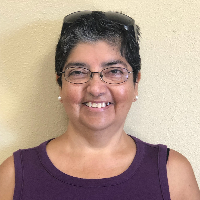
About San
Diaz holds a bachelor’s degree in sociology and a master’s degree in counseling and guidance. She has worked with a wide age range and in many settings, including nursing homes, outpatient clinics, vocational programs, women's shelters, and substance abuse facilities. Fifteen of her years were spent providing counseling related to Child Protective Services.
Her core approach is client-centered therapy, which places the person’s concerns and goals at the center of sessions. She also uses cognitive behavioral techniques and solution-focused ideas when those fit a person’s needs. Sessions are practical and aimed at specific problems like anxiety, depression, caregiving stress, grief, and relationship issues.
In practice she draws on supportive methods, mindfulness, and strength- and values-based work to address everyday challenges. She has experience with adoption and foster care matters, blended family issues, chronic pain and illness, caregiver stress, and isolation or loneliness. Diaz also helps with career, money, and midlife concerns.
Her background across community and clinical settings informs an approach that pays attention to real-life contexts. People who want help with later-life transitions, caregiving roles, or coping with health changes may find her practical focus useful. To begin, the process asks for a short matching questionnaire and scheduling a first session.
Areas of expertise
Primary focus
Also works with
Additional focus areas
Therapeutic approaches
Experience
29+ years
Credentials
Texas
Languages
English
Therapeutic approaches used in remote sessions
Client-centered therapy focuses on listening and understanding the person's priorities. The therapist follows the client's lead, reflects concerns back, and helps set goals based on what matters most to the person. This approach can help with life transitions, caregiving stress, and problems with self-image.Cognitive behavioral therapy (CBT) breaks down patterns of thoughts and behaviors that keep problems going. It uses practical exercises and small experiments to reduce anxiety, manage depression, and change unhelpful coping habits. Solution-focused work looks for immediate, concrete steps and past successes to build momentum for change.
Choosing the right approach is part of the work together. The therapist will discuss goals, preferences, and practical needs and recommend which methods to try. That decision is collaborative and can be adjusted over time based on what helps most.
The biography does not specify which online session formats are offered, so please confirm current options before booking. In general, remote sessions can make it easier to fit counseling into a busy week, reduce travel time for caregivers, and allow shorter check-ins when needed. Different formats can also be useful when someone prefers not to use video or needs a brief check-in between longer sessions.
Frequently asked questions
What concerns does she address?
She works with stress, anxiety, depression, grief, anger, addictions, relationship problems, and coping with life changes. Additional focus areas include caregiver stress, chronic illness, and aging and geriatric issues.
How would she describe her therapy style?
Her practice is primarily client-centered, placing the person's goals at the front. She also uses cognitive behavioral tools and solution-focused strategies as needed.
How many years has she been practicing?
She has 29 years of counseling experience across clinics, nursing homes, shelters, vocational programs, and substance abuse settings.
What credentials and location are listed?
She is a Licensed Professional Counselor (LPC) in Texas and practices in that state.
Which languages are supported?
Sessions are offered in English only.
What session formats are available?
The original biography does not list specific session formats. Please confirm current session options before booking.
How are sessions paid for and what do they cost?
Cost varies with location. Sessions use a subscription that can be canceled at any time.
What is the first step to begin?
Select the See online therapy options button, complete a short matching questionnaire, and schedule a first session.