- Stress and anxiety
- Grief and loss
- CBT and mindfulness
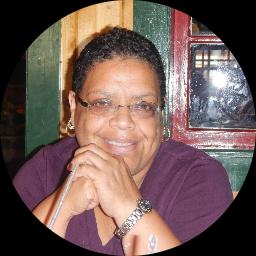
About Rachael
Rachael uses straightforward talk and practical tools. She listens to what matters to each person and helps them set small goals. Sessions focus on what someone wants to change and what gets in the way of that change.
Her approach draws on client-centered methods that keep the person’s priorities front and center. She also uses cognitive behavioral techniques to help identify unhelpful thought patterns and to build new coping skills. Emotionally-focused ideas and mindfulness tools are part of her toolkit when feelings need naming or calming.
Many people seek her help for loss, ongoing caregiving stress, or the life changes that come with aging. She also supports people dealing with troubling anger, addictive patterns, low motivation, or sleep problems. Conversations move at a patient pace and emphasize practical steps between sessions.
Rachael speaks English and Spanish. She practices in New York and draws on her long experience to help people manage hard situations and make steady progress toward clearer goals.
Areas of expertise
Primary focus
Also works with
Additional focus areas
Therapeutic approaches
Experience
25+ years
Credentials
New York
Languages
English, Spanish
How Rachael's approaches translate to online sessions
Client-centered work means conversations focus on the person’s goals and what matters most to them. In practice this looks like the therapist asking about current concerns, listening, and shaping sessions around those priorities. Cognitive Behavioral Therapy (CBT) helps people notice thinking patterns that affect mood and behavior and then try small experiments to change them. This is useful for anxiety, low mood, sleep problems, and some addictive behaviors. Emotionally-Focused Therapy (EFT) concentrates on identifying and naming emotions and improving how someone deals with strong feelings. That can help with grief, anger, relationship stress, or caregiving burden.Choosing the right approach is part of the work. The therapist will discuss options and decide together which methods to try based on the client’s needs, goals, and preferences. That collaborative decision can change as progress is made or new issues arise.
Session formats are not listed in the biography, so confirm current options before booking. Online sessions can make it easier to fit appointments around medical visits, caregiving duties, or mobility limits. They also allow shorter check-ins when a full session is not needed and avoid travel time. Many people find this flexibility helps them keep therapy consistent with everyday life.
Frequently asked questions
What concerns does she help with?
She works with stress, anxiety, grief, anger, depression, addictions, self-esteem, sleeping problems, compassion fatigue, and ADHD. Additional focus areas include caregiver stress, aging and geriatric issues, chronic illness, and adoption or abandonment concerns.
What is her therapeutic style?
She uses a client-centered stance and practical methods. Cognitive behavioral techniques, mindfulness, emotionally-focused work, and motivational interviewing are part of her approach.
How much experience does she have?
She has 25 years of professional experience working with adults on a range of emotional and behavioral concerns.
Where is she licensed and based?
She is a New York Licensed Clinical Social Worker (LCSW) and practices in New York.
Which languages are sessions offered in?
Sessions are offered in English and Spanish.
Can I have sessions remotely or by phone?
Please confirm current session formats before booking since session options are not specified here. The site matching tool will list the exact formats offered.
How are fees handled?
Cost varies with location and sessions use a subscription that can be canceled at any time.
How do I begin working with her?
Select the See online therapy options button, complete a short matching questionnaire, and schedule a first session.