
Malia Mead
LMFTTexas · 12 yrs exp
LMFT - Relationships and later-life concerns
Stress, Anxiety · Addictions · Relationship · Grief · +11 more
Read profileTherapists for older adults and their families, in the US, UK and Australia
Need help now?Therapist listings are provided by BetterHelp. We will earn a commission at no extra cost to you if you use our links to buy.
Browse profiles of therapists listed in Texas who include aging and later-life concerns among their focus areas. You can compare approaches, degrees, languages and experience; check each profile to confirm the listed location and whether the clinician has permission to work with you where you live. Start exploring profiles to find one whose background and approach fits your needs.
Texas · 12 yrs exp
LMFT - Relationships and later-life concerns
Stress, Anxiety · Addictions · Relationship · Grief · +11 more
Read profile
Texas · 21 yrs exp
Licensed Professional Counselor - Aging and relationship care
Stress, Anxiety · Relationship · Family · Depression · +13 more
Read profile
Texas · 22 yrs exp
Licensed Professional Counselor - Aging and life changes
Stress, Anxiety · Grief · Career · Depression · +9 more
Read profile
Texas · 17 yrs exp
Licensed Professional Counselor - Aging and family concerns
Stress, Anxiety · Family · Depression · Coping with life changes · +12 more
Read profile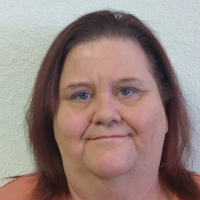
Texas · 9 yrs exp
Licensed Professional Counselor - Aging and relationships
Stress, Anxiety · Trauma and abuse · Grief · Depression · +12 more
Read profile
Texas · 10 yrs exp
Licensed Professional Counselor - Aging and relationship concerns
Stress, Anxiety · Relationship · Family · Depression · +14 more
Read profile
Texas · 20 yrs exp
Licensed Professional Counselor - Aging and life changes
Family · Grief · Parenting · Self esteem · +7 more
Read profile
Texas · 21 yrs exp
LCSW - Anxiety and life changes
Stress, Anxiety · Relationship · Trauma and abuse · Intimacy-related issues · +15 more
Read profile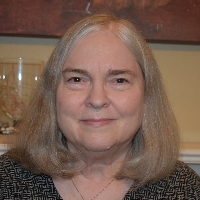
Texas · 20 yrs exp
Licensed Professional Counselor - Aging and mental health
Stress, Anxiety · Trauma and abuse · Self esteem · Depression · +12 more
Read profile
Texas · 23 yrs exp
LPC in Texas - relationships and life changes
Stress, Anxiety · Relationship · Self esteem · Career · +11 more
Read profile
Texas · 20 yrs exp
Licensed clinical social worker - aging and life changes
Stress, Anxiety · Addictions · Family · Grief · +15 more
Read profile
Texas · 14 yrs exp
Licensed Professional Counselor - Addictions and Aging issues
Stress, Anxiety · Addictions · Anger · Depression · +10 more
Read profile
Texas · 30 yrs exp
Licensed Professional Counselor - Relationships and Life Changes
Stress, Anxiety · Relationship · Grief · Self esteem · +8 more
Read profile
Texas · 10 yrs exp
Licensed MFT - Aging and relationship concerns
Stress, Anxiety · LGBT · Relationship · Grief · +12 more
Read profile
Texas · 26 yrs exp
Licensed Professional Counselor - Aging and life changes
Stress, Anxiety · Relationship · Trauma and abuse · Grief · +11 more
Read profile
Texas · 14 yrs exp
Licensed Professional Counselor - Aging and emotional health
Stress, Anxiety · Anger · Depression · ADHD · +7 more
Read profile
Texas · 18 yrs exp
LPC - Trauma and addiction focus
Stress, Anxiety · Addictions · LGBT · Relationship · +14 more
Read profile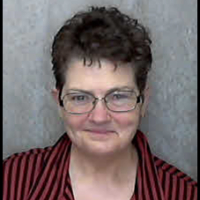
Texas · 35 yrs exp
Licensed Clinical Social Worker - Aging and relationships
Stress, Anxiety · Relationship · Family · Trauma and abuse · +14 more
Read profile
Texas · 15 yrs exp
Licensed Professional Counselor - Aging and relationship concerns
Stress, Anxiety · Grief · Self esteem · Depression · +13 more
Read profile
Texas · 13 yrs exp
Licensed Professional Counselor - Relationships and Aging
Stress, Anxiety · Relationship · Family · Parenting · +14 more
Read profile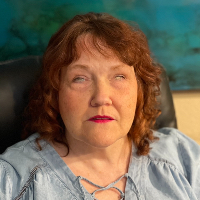
Texas · 16 yrs exp
Licensed Professional Counselor - Aging and relationship concerns
Stress, Anxiety · Family · Parenting · Bipolar · +11 more
Read profile
Texas · 21 yrs exp
LMFT - Adult and teen therapy
Trauma and abuse · Parenting · Self esteem · Depression · +8 more
Read profile
Texas · 12 yrs exp
Licensed Professional Counselor - Aging and relationship concerns
Stress, Anxiety · Addictions · Relationship · Trauma and abuse · +14 more
Read profile
Texas · 15 yrs exp
LPC counselor - Addiction and trauma
Addictions · Trauma and abuse · Grief · Anger · +10 more
Read profileAs you move into retirement or support an older relative, you may notice shifts in daily life that raise questions or create stress. Retirement can change routines, identity and social rhythm. Health changes may prompt adjustments in independence, energy and roles within the family. Loss can arrive in many forms - the death of a partner, the end of a long career, or the changing dynamics of friendships - and each loss can require its own kind of attention. Loneliness is a frequent concern whether you live alone, live with others, or have limited mobility. Caregiving roles often add emotional and practical strain when you are balancing responsibility for someone else with your own wellbeing. Family relationships and questions of meaning in this stage of life also come forward, as you reassess priorities and plan for the future.
Therapy can provide a space to reflect on these topics, practice communication strategies with family, explore grief and adjustment, and clarify values for the next chapter. Different clinicians describe their work in different ways, and some list specific approaches or populations they focus on. None of those listings guarantee a particular outcome, but they can help you narrow which profiles to read more closely. When you feel ready, reach out to discuss how a clinician frames their work and whether it aligns with what you hope to address.
When you see a profile listed under Texas, that reflects the listed location on the profile rather than an automatic statement about an office or current permission to practice in every part of the state. Profiles may represent clinicians who work in different settings or jurisdictions. The directory includes professionals based in the United States, the United Kingdom and Australia, and terminology varies across those systems. In the United States you are likely to see references to state licenses such as licensed psychologist, licensed clinical social worker or licensed professional counselor. In the United Kingdom and Australia you may see registration, accreditation or membership with professional bodies rather than a single license term. A degree such as PhD, PsyD, MD, MA or MSW is an academic qualification and does not by itself indicate current permission to practice. Degrees, registrations and licenses are distinct pieces of information. A careful read of each profile will tell you which degrees and which professional permissions are mentioned; you should always confirm on the clinician's profile or directly with the clinician that they can work with you where you live and that their credentials match your local practice rules.
If you have legal or regulatory concerns about a clinician's credential, request clarification from them or consult the relevant state, national or territorial registration body. Profiles are a starting point for comparison and a prompt for the conversations you may want to have before beginning work together.
Before making contact, think about the practical and interpersonal aspects that matter to you. Start by asking how a clinician describes their typical work with someone facing retirement adjustment, grief, caregiving stress or loneliness. Ask how they tailor their approach to later-life concerns and whether they have experience working with people in similar life stages. You can ask specifically whether they have worked with family systems when a caregiver is involved or how they support someone rethinking purpose after retirement. If an approach or modality is listed on a profile, phrase your question to reflect that the profile notes it rather than assuming formal certification. For example you could say - I noticed you list EMDR among your approaches; how might that be used for someone coping with loss - or - You list narrative therapy approaches; how do you apply that with someone re-evaluating life goals after retirement?
It is also useful to ask about the clinician's typical session structure and what they expect in the first few meetings. Inquire how they measure progress and how long they generally work with people who have time-limited goals versus ongoing support needs. Ask about working with families if family relationships are part of your concern, and clarify whether the clinician offers individual work, family meetings, or both. These questions help you learn whether their style and experience match what you feel would be most helpful.
If you are considering remote sessions rather than meeting in person, there are specific practical points to raise so you know what to expect. Ask where the clinician is based and whether their professional permissions cover working with clients in your state or territory. Discuss the technology you will use and what to do if there is a connection problem during a session. Ask about privacy practices for online meetings and how they manage records and communications. It is appropriate to ask about emergency planning - what steps you and the clinician would take if you were experiencing a crisis between sessions - and how you would be referred to local supports if needed. This is especially important if you or the person you support has mobility or health concerns that affect access to local services.
Also discuss practicalities such as session length, how to arrange appointments and how cancellations are handled. While profiles can indicate which formats a clinician lists, these operational details are best confirmed directly. Clear upfront conversation about how online work will be managed helps set expectations and reduce frustration later on.
When you review profiles, look beyond a single label and consider the combination of focus areas, professional background and the languages offered. If language or cultural understanding matters to you, check which languages the clinician lists and how they describe cultural competence in relation to older adults. Compare the focus areas to see whether someone emphasizes retirement transition, grief and bereavement, caregiving support, relationship adjustments or meaning and identity work - and remember that a listed focus is a starting point for conversation. Look at academic degrees such as PhD, PsyD, MD, MA or MSW alongside professional permissions to understand both training and the regulatory framework in which the clinician practices.
Style is also important. Some clinicians describe a direct, solution-focused approach and others emphasize exploration and reflection. Read profile language to get a sense of tone, and plan to ask conversational questions that reveal whether the clinician's pace and communication align with how you prefer to work. Concrete comparison questions you might pose to different clinicians include - How do you typically support someone adjusting to retirement - What experience do you have working with adult children who coordinate care for a parent - How do you work with clients who feel isolated and want to build new social routines - Do you have experience addressing grief that is not related to death, such as loss of role or identity?
Profiles can help you narrow options, but the most informative step is a direct conversation with a clinician about your specific situation. Check the listed location and the profile details, confirm permission to work with you where you live, and use the questions above to gauge fit. With a clearer sense of approach, credentials and style, you can make a more informed choice about which clinician to contact for an initial conversation.
Addictions
2793 therapists
Anger
3279 therapists
Cancer
1833 therapists
Chronic Illness
2331 therapists
Depression
4694 therapists
Grief
4211 therapists
Guilt and Shame
4129 therapists
Isolation / Loneliness
4145 therapists
Midlife Crisis
3523 therapists
Mood Disorders
3281 therapists
Panic Disorder and Panic Attacks
3075 therapists
Post-Traumatic Stress
3444 therapists
Self Esteem
4514 therapists
Sleeping Disorders
1765 therapists
Social Anxiety and Phobia
3698 therapists
Stress & Anxiety
5030 therapists
Trauma and Abuse
3990 therapists
Traumatic Brain Injury
834 therapists
Aging and Geriatric Issues
5294 therapists
Blended Family Issues
2802 therapists
Caregiver Issues and Stress
3946 therapists
Communication Problems
4293 therapists
Compassion Fatigue
2880 therapists
Coping with Life Changes
4444 therapists
Divorce
3546 therapists
Family
3758 therapists
Family of Origin Issues
2748 therapists
Forgiveness
3877 therapists
Hospice and End-of-Life Counseling
2525 therapists
Life Purpose
4279 therapists
Money and Financial Issues
2193 therapists
Parenting
3170 therapists
Relationship
4310 therapists
Workplace Issues
3554 therapists