
Kelley Sullivan
LCSWColorado · 19 yrs exp
LCSW - Mood and later-life concerns
Stress, Anxiety · Relationship · Trauma and abuse · Grief · +12 more
Read profileTherapists for older adults and their families, in the US, UK and Australia
Need help now?Therapist listings are provided by BetterHelp. We will earn a commission at no extra cost to you if you use our links to buy.
Browse profiles of therapists listed for Colorado who include aging and later-life concerns among their focus areas. Compare credentials, professional registration, languages, approaches and experience, then browse profiles to find a suitable match.
Colorado · 19 yrs exp
LCSW - Mood and later-life concerns
Stress, Anxiety · Relationship · Trauma and abuse · Grief · +12 more
Read profile
Colorado · 15 yrs exp
Licensed Clinical Social Worker - Aging and life changes
Stress, Anxiety · Grief · Depression · Coping with life changes · +10 more
Read profile
Colorado · 22 yrs exp
Licensed Clinical Social Worker - Aging and relationship issues
Stress, Anxiety · Relationship · Trauma and abuse · Depression · +16 more
Read profile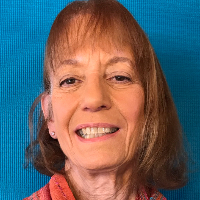
Colorado · 15 yrs exp
Licensed Professional Counselor - Aging and life changes
Stress, Anxiety · Addictions · Trauma and abuse · Anger · +6 more
Read profile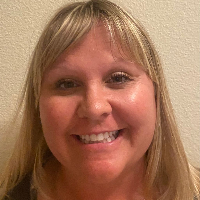
Colorado · 18 yrs exp
Licensed counselor - Aging and life changes
Stress, Anxiety · Addictions · Relationship · Self esteem · +15 more
Read profile
Colorado · 27 yrs exp
LPC in Colorado - Mood and family concerns
Family · Trauma and abuse · Bipolar · Depression · +7 more
Read profile
Colorado · 23 yrs exp
Licensed Professional Counselor - aging and life changes
Stress, Anxiety · Relationship · Trauma and abuse · Depression · +1 more
Read profile
Colorado · 8 yrs exp
Licensed Clinical Social Worker - Later-life and relationships
Stress, Anxiety · Relationship · Trauma and abuse · Grief · +16 more
Read profile
Colorado · 12 yrs exp
Licensed Clinical Social Worker - Stress and Trauma
Stress, Anxiety · Trauma and abuse · Grief · Depression · +9 more
Read profile
Colorado · 12 yrs exp
LCSW specializing in mood and later-life concerns
Stress, Anxiety · Trauma and abuse · Self esteem · Bipolar · +1 more
Read profile
Colorado · 3 yrs exp
Colorado LCSW - Stress and life changes
Stress, Anxiety · Trauma and abuse · Self esteem · Depression · +1 more
Read profile
Colorado · 5 yrs exp
LCSW - Stress and life changes
Stress, Anxiety · Family · Parenting · Self esteem · +1 more
Read profile
Colorado · 16 yrs exp
Licensed Clinical Social Worker - Stress and Aging issues
Stress, Anxiety · Family · Career · Bipolar · +1 more
Read profile
Colorado · 10 yrs exp
Licensed Clinical Social Worker - Stress and Trauma
Stress, Anxiety · Trauma and abuse · Self esteem · Depression · +1 more
Read profile
Colorado · 11 yrs exp
Licensed Professional Counselor - Aging and mood concerns
Stress, Anxiety · LGBT · Trauma and abuse · Self esteem · +10 more
Read profile
Colorado · 7 yrs exp
LCSW - Aging and life change support
Stress, Anxiety · Self esteem · Career · Coping with life changes · +11 more
Read profile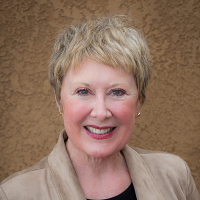
Colorado · 27 yrs exp
LCSW therapist - women's mental health and aging concerns
Stress, Anxiety · Relationship · Trauma and abuse · Grief · +16 more
Read profile
Colorado · 25 yrs exp
Licensed Professional Counselor - trauma and aging issues
Stress, Anxiety · Trauma and abuse · Eating · Parenting · +15 more
Read profile
Colorado · 23 yrs exp
Dr. Georgia Robertson, LPC - Grief and life changes
Trauma and abuse · Grief · Depression · Coping with life changes · +3 more
Read profile
Colorado · 30 yrs exp
Licensed counselor - aging and later-life concerns
Stress, Anxiety · Grief · Self esteem · Depression · +5 more
Read profile
Colorado · 33 yrs exp
LPC in Colorado - mood and later-life concerns
Stress, Anxiety · Grief · Self esteem · Depression · +8 more
Read profile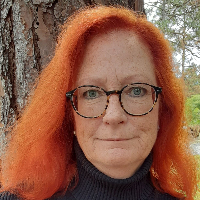
Colorado · 29 yrs exp
Licensed Clinical Social Worker - Aging and life changes
Stress, Anxiety · Family · Trauma and abuse · Grief · +15 more
Read profile
Colorado · 11 yrs exp
LCSW in Colorado - aging and life changes focus
Stress, Anxiety · Family · Self esteem · Depression · +9 more
Read profile
Colorado · 25 yrs exp
Licensed Professional Counselor - Aging and life changes
Stress, Anxiety · Trauma and abuse · Grief · Self esteem · +5 more
Read profileWhen you think about seeking help for retirement transitions, changes in health, loss or a shift in daily purpose, it helps to name the specific issues you want to address. You may be navigating a planned move into retirement, coping with reduced mobility, grieving the death of a partner or friend, adjusting to new caregiving responsibilities, or dealing with a growing sense of loneliness. You might also be an adult child looking for a professional who can support your parent while keeping family dynamics in mind. In all of these situations, a therapist can be a conversation partner who helps you clarify priorities, explore options and develop coping strategies that fit your life.
Later life brings questions about meaning, social connection and role changes that are not strictly medical. Discussing daily routines, social supports, ways to maintain participation in valued activities and managing changing relationships often matters as much as tackling symptoms. You should feel free to bring up topics that matter to you - from practical concerns about caregiving and finances to deeper questions about identity and purpose after major life transitions. Keep in mind that a profile listing aging or geriatric issues as a focus area signals an interest in these topics but is not itself evidence of a particular certification or clinical scope. It is useful to prepare a few personal goals to share when you first contact someone so you can see how they describe working with people in your situation.
Profiles on this site are grouped under the listed location Colorado, which helps you find clinicians who indicate a connection to that area. A listed location does not guarantee an office address, physical proximity, eligibility to work with every resident, or that a clinician holds an active local authorization. You should check the individual profile and confirm permission to work together where you live before beginning sessions. Where a profile shows a US license such as a state counseling or social work license, that identifies a regulatory credential in the United States system. In the United Kingdom therapists often list professional registration or membership with national organizations, and in Australia you will see registration or membership terminology used in line with local rules. These terms are not interchangeable; a degree such as PhD, PsyD, MD, MA or MSW describes academic training but does not by itself show current permission to practice in a given place.
When you review profiles, look for how clinicians describe their registration, licensure or membership and whether they specify the jurisdiction it applies to. If the profile mentions an address, licensing body, or a professional registration, treat those details as starting points for a conversation rather than as definitive proof of what services are permitted in your area. Asking the clinician directly about their current registration and the locations where they are permitted to work is the clearest way to confirm whether a match will be practical for you.
Before you decide to contact a clinician, consider questions that will help you compare how they work with clients. You may want to ask how they typically support people facing retirement or identity changes, what experience they have with bereavement and anticipatory grief, and how they have worked with family caregivers under stress. If language matters to you, ask which languages they speak and whether they have experience working across different cultural backgrounds. It is also reasonable to ask clinicians to describe the kinds of goals they help people set and what a few early sessions might focus on.
Some therapists list specific approaches on their profile, such as mindfulness, narrative work, or therapies with trauma-informed principles. Remember that a profile listing an approach does not prove specialized training in that method. You can ask a clinician how they adapt their style for older adults, what kinds of life-stage concerns they commonly address, and whether they have worked with clients with similar situations to yours. Concrete questions you might use in a first conversation include asking for examples of issues they have helped people manage, how they involve family members if that is important to you, and what they recommend you prepare for an initial meeting. These kinds of questions help you get a sense of whether the clinician’s style and experience match your needs.
Many people consider online or remote care for convenience or because they live in areas with fewer local options. If you are thinking about remote sessions, clarify early on whether the clinician is permitted to work with clients in Colorado and any local requirements that apply. Ask about the technology they use and what you will need in your home to participate comfortably. Discuss how they handle emergencies and what steps you should take if you or a family member needs immediate support in your area. These are practical matters to sort out in advance so you understand how care will fit into your daily life.
It is also useful to talk about session boundaries and family involvement before you begin. If you want family members included in some sessions, ask how the clinician typically coordinates that and what documentation or consent might be needed. If memory concerns, cognitive changes or legal matters could become relevant, mention them so the clinician can explain how they approach those issues or whether they refer to other professionals for assessment. Above all, confirm that the clinician can legally provide care where you live and describe how they handle record keeping and communication between sessions. Clear conversations at the start reduce misunderstandings later and help you focus on the topics that matter most to you.
When you compare profiles, read beyond a single line that names aging or geriatric concerns. Look for descriptions of populations served and examples of work with specific issues, such as caregiving stress, bereavement, or transitions to retirement. Pay attention to the languages a clinician lists, as language can shape how easily you express nuanced feelings and cultural context. Note the combination of academic degrees and professional registration terms; degrees indicate training background, while registration, licensure or membership indicates the framework under which a clinician practices in a given country or state.
Style matters as much as credentials. Some clinicians describe a gentle, exploratory stance while others emphasize practical problem solving rooted in life review or narrative approaches. Some profiles note that they work with family relationships and communication patterns, while others focus on individual meaning-making and coping strategies. If a profile mentions that a therapist lists EMDR among their approaches, understand that this is a self-reported approach and you can ask how and when they use it. Also keep in mind that a listed topic does not establish that the therapist treats children, couples or families; you should discuss your needs and the clinician’s scope directly. Comparing how clinicians talk about the work they do and the populations they serve will help you choose whom to contact for an initial conversation about fit.
As you move from browsing to reaching out, remember to check the individual profile and confirm permission to work together where you live. A thoughtful initial conversation can clarify practice details and give you a better sense of whether a clinician’s approach, experience and communication style match what you want. Taking the time to compare profiles thoughtfully will help you find someone who can partner with you on the specific challenges and opportunities that come with later life in Colorado.
Addictions
2793 therapists
Anger
3279 therapists
Cancer
1833 therapists
Chronic Illness
2331 therapists
Depression
4694 therapists
Grief
4211 therapists
Guilt and Shame
4129 therapists
Isolation / Loneliness
4145 therapists
Midlife Crisis
3523 therapists
Mood Disorders
3281 therapists
Panic Disorder and Panic Attacks
3075 therapists
Post-Traumatic Stress
3444 therapists
Self Esteem
4514 therapists
Sleeping Disorders
1765 therapists
Social Anxiety and Phobia
3698 therapists
Stress & Anxiety
5030 therapists
Trauma and Abuse
3990 therapists
Traumatic Brain Injury
834 therapists
Aging and Geriatric Issues
5294 therapists
Blended Family Issues
2802 therapists
Caregiver Issues and Stress
3946 therapists
Communication Problems
4293 therapists
Compassion Fatigue
2880 therapists
Coping with Life Changes
4444 therapists
Divorce
3546 therapists
Family
3758 therapists
Family of Origin Issues
2748 therapists
Forgiveness
3877 therapists
Hospice and End-of-Life Counseling
2525 therapists
Life Purpose
4279 therapists
Money and Financial Issues
2193 therapists
Parenting
3170 therapists
Relationship
4310 therapists
Workplace Issues
3554 therapists