
Ruth Vanden Bosch
LPCMichigan · 25 yrs exp
Licensed Professional Counselor - Aging and relationships
Stress, Anxiety · LGBT · Relationship · Grief · +10 more
Read profileTherapists for older adults and their families, in the US, UK and Australia
Need help now?Therapist listings are provided by BetterHelp. We will earn a commission at no extra cost to you if you use our links to buy.
Browse therapist profiles with a listed location in Michigan that include aging and later-life concerns among their focus areas. You can compare focus areas, approaches, credentials, languages and style, and check each profile to confirm the therapist's permission to work with you where you live.
Michigan · 25 yrs exp
Licensed Professional Counselor - Aging and relationships
Stress, Anxiety · LGBT · Relationship · Grief · +10 more
Read profile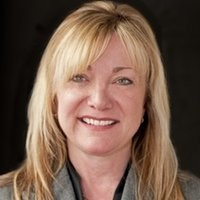
Michigan · 15 yrs exp
Licensed Professional Counselor - Relationships and Life Changes
Stress, Anxiety · Relationship · Grief · Self esteem · +7 more
Read profile
Michigan · 35 yrs exp
Licensed LMSW - Aging and relationship concerns
Stress, Anxiety · Addictions · Trauma and abuse · Self esteem · +3 more
Read profile
Michigan · 21 yrs exp
LMSW - Relationships and later-life concerns
Stress, Anxiety · Relationship · Family · Bipolar · +14 more
Read profile
Michigan · 20 yrs exp
LMSW helping with mood and aging concerns
Stress, Anxiety · Addictions · LGBT · Grief · +12 more
Read profile
Michigan · 24 yrs exp
Licensed social worker - Aging and mental health
Stress, Anxiety · Addictions · Relationship · Family · +1 more
Read profile
Michigan · 31 yrs exp
LMSW in Michigan - aging and relationship concerns
Stress, Anxiety · Family · Trauma and abuse · Self esteem · +16 more
Read profile
Michigan · 31 yrs exp
Licensed Professional Counselor - Aging and life changes
Stress, Anxiety · Addictions · Self esteem · Career · +5 more
Read profile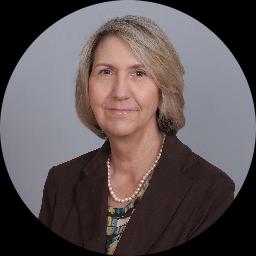
Michigan · 11 yrs exp
Licensed clinical social worker - Aging and life changes
Stress, Anxiety · Relationship · Trauma and abuse · Grief · +1 more
Read profile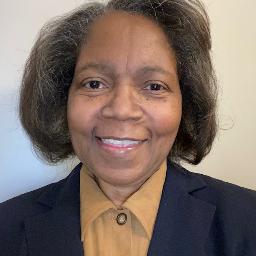
Michigan · 10 yrs exp
Licensed LMSW - Anxiety and Aging
Stress, Anxiety · Addictions · Relationship · Family · +12 more
Read profile
Michigan · 15 yrs exp
Licensed Master Social Worker - Aging and life changes
Stress, Anxiety · LGBT · Relationship · Depression · +16 more
Read profile
Michigan · 10 yrs exp
Licensed clinical social worker - Aging and relationships
Stress, Anxiety · Anger · Self esteem · Depression · +5 more
Read profile
Michigan · 40 yrs exp
Licensed LMSW - Aging and relationship concerns
Stress, Anxiety · Family · Grief · Self esteem · +16 more
Read profile
Michigan · 35 yrs exp
MI Psychologist - Aging and relationship concerns
Stress, Anxiety · Relationship · Family · Self esteem · +16 more
Read profile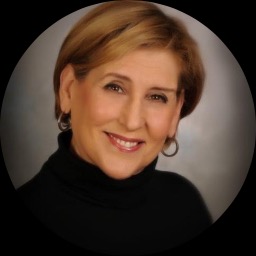
Michigan · 33 yrs exp
Michigan psychologist - Anxiety and later-life concerns
Stress, Anxiety · Parenting · Coping with life changes · Addictions · +7 more
Read profile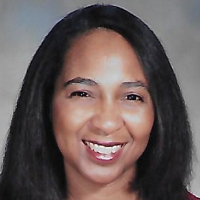
Michigan · 25 yrs exp
LMSW counselor - aging and life changes
Stress, Anxiety · Anger · Self esteem · Depression · +6 more
Read profile
Michigan · 20 yrs exp
LMSW focusing on aging and relationships
Stress, Anxiety · Relationship · Trauma and abuse · Grief · +12 more
Read profile
Michigan · 33 yrs exp
LMSW - Relationships and Aging issues
Relationship · Trauma and abuse · Grief · Self esteem · +8 more
Read profile
Michigan · 40 yrs exp
LMSW counselor - Relationships and aging
LGBT · Relationship · Grief · Career · +14 more
Read profile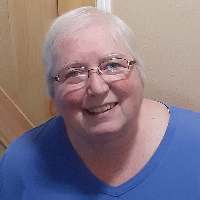
Michigan · 36 yrs exp
LMSW - Aging and life transitions
Stress, Anxiety · Anger · Self esteem · Career · +11 more
Read profile
Michigan · 24 yrs exp
Licensed LMSW - Aging and family concerns
Stress, Anxiety · Family · Trauma and abuse · Parenting · +6 more
Read profile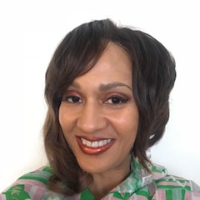
Michigan · 32 yrs exp
Licensed LMSW - Relationships and Aging issues
Stress, Anxiety · Relationship · Trauma and abuse · Self esteem · +16 more
Read profile
Michigan · 40 yrs exp
LMFT and LMSW - Depression and relationships
Stress, Anxiety · Relationship · Family · Grief · +1 more
Read profile
Michigan · 8 yrs exp
LMSW - Aging and life transitions
Stress, Anxiety · Self esteem · Depression · Coping with life changes · +9 more
Read profileWhen you are thinking about life changes that often come later - retirement transitions, shifts in health or mobility, the loss of a partner or friend, changes in family roles, caregiving responsibilities, or questions about meaning and identity - finding a therapist who understands those themes can make it easier to begin a conversation. This page groups profiles by a listed location in Michigan and by the fact that the therapist includes aging and later-life concerns among their focus areas. That listing is a starting point for comparison, not a guarantee of a particular specialty or of a specific service model.
You and the adult children, friends, or care partners supporting someone may look for therapists who talk about work with retirement adjustment, grief and loss, loneliness, caregiving strain, evolving family relationships, and questions of purpose in later life. Profiles often describe focus areas and common approaches. Use those descriptions to narrow choices, then open individual profiles to learn about credentials, languages spoken, stated experience, and how each clinician describes their style of work.
A listed location indicates the place a practitioner has associated with their profile. It does not necessarily mean a physical office at that address, nor does it by itself confirm that the clinician is permitted to practice with you in your jurisdiction. Because the directory includes professionals from the United States, the United Kingdom, and Australia, you will see different ways of describing professional standing. In the United States many clinicians list professional licenses such as LCSW, LPC, LMFT, or a psychologist license; in the United Kingdom clinicians may reference registration or membership with professional bodies; in Australia clinicians may reference registration or membership with Australian regulatory or professional organizations. Academic degrees such as PhD, PsyD, MD, MA, or MSW are academic credentials and are distinct from a current license or registration that authorizes practice. A degree alone does not establish current permission to practice in a given place.
Because rules about cross-jurisdiction practice vary, check each profile carefully and ask the clinician whether they are permitted to work with you where you live. If you are based in Michigan and considering a clinician who lists another country or state, confirm that they have the legal ability to provide services to people in Michigan. Profiles can describe education and professional memberships, but the clearest way to confirm whether a clinician can work with you is to ask them directly and to check any notes on their profile about geographic scope.
When you open a profile, look for concrete language about the kinds of life issues the clinician commonly addresses and ask direct questions that matter to your situation. You might ask the clinician how they describe their experience with retirement-related transitions, what kinds of loss or bereavement they have worked with, or how they support people who are balancing caregiving responsibilities with their own needs. If family relationships are a concern, ask how the clinician involves family members or care partners in sessions and what boundaries they set for those conversations.
It is reasonable to ask clinicians which approaches they list and what that looks like in real sessions. For example, you can say: "I see you list a particular approach - can you describe how you would use that approach when someone is wrestling with loneliness after retirement?" Phrase questions that invite examples rather than technical descriptions. If a profile lists specific approaches - for instance, therapies that some clinicians include among their approaches - ask how the clinician tailors their work to older adults and what a typical early session focuses on. Also ask about cultural, generational, and language experience so you can evaluate whether the clinician's background aligns with your preferences.
If you are considering online sessions with a clinician whose profile lists Michigan or another place, clarify practical and safety-related details before you begin. Discuss the clinician's stated geographic scope and confirm they are permitted to provide care to people where you live. Ask about time zones or scheduling boundaries if the clinician is located elsewhere, and describe your own communication preferences - whether you prefer video, phone, or messaging - to see how that fits with the clinician's approach.
Talk specifically about privacy and the technology used for sessions. Ask what platform they use, how they protect your information, and how you will be contacted if there is a technical problem. It is also important to discuss what to do in a mental health emergency - ask how the clinician recommends you proceed if you need urgent help and whether they have local referral options in Michigan. These are practical questions that help you understand how a clinician will work with you online and how they coordinate care or referrals when issues arise that require in-person support.
Comparing profiles effectively means looking beneath a short summary and asking how the details match your needs. Start by matching focus areas to your most pressing concerns. If caregiving strain is your primary issue, look for profiles that mention caregiving, role shifts, or support for family dynamics. If grief or loss is central, look for clinicians who describe sustained experience with bereavement. Note that a listed focus area is an indication of interest or experience, not a licensing credential or a promise of a particular outcome.
Next, consider languages and cultural fit. If you prefer to speak in a language other than English or want a clinician who understands your cultural background, prioritize profiles that explicitly list those languages and describe relevant experience. Examine the credentials and degrees listed on a profile, and use them to form targeted questions. Ask whether a degree such as PhD, PsyD, MA, or MSW is accompanied by a current license, registration, or membership that permits practice in Michigan. If the clinician is based in the UK or Australia, ask how they manage cross-jurisdiction work and whether they have the permission required to serve people in your location.
Finally, weigh style and practical fit. Some clinicians write about a conversational, supportive style while others emphasize structured problem-solving or meaning-focused work. Decide which tone feels most helpful for you, and frame comparison questions accordingly: Do you prefer a clinician who emphasizes emotional processing, practical planning, family systems, or life-review work? How does the clinician describe early sessions and the pace of work? Use those descriptions and the answers you receive to choose someone whose professional profile and personal style align with what you need right now. Always confirm on the profile and in conversation that the clinician is authorized to work with you where you live before any commitment to begin.
Addictions
2793 therapists
Anger
3279 therapists
Cancer
1833 therapists
Chronic Illness
2331 therapists
Depression
4694 therapists
Grief
4211 therapists
Guilt and Shame
4129 therapists
Isolation / Loneliness
4145 therapists
Midlife Crisis
3523 therapists
Mood Disorders
3281 therapists
Panic Disorder and Panic Attacks
3075 therapists
Post-Traumatic Stress
3444 therapists
Self Esteem
4514 therapists
Sleeping Disorders
1765 therapists
Social Anxiety and Phobia
3698 therapists
Stress & Anxiety
5030 therapists
Trauma and Abuse
3990 therapists
Traumatic Brain Injury
834 therapists
Aging and Geriatric Issues
5294 therapists
Blended Family Issues
2802 therapists
Caregiver Issues and Stress
3946 therapists
Communication Problems
4293 therapists
Compassion Fatigue
2880 therapists
Coping with Life Changes
4444 therapists
Divorce
3546 therapists
Family
3758 therapists
Family of Origin Issues
2748 therapists
Forgiveness
3877 therapists
Hospice and End-of-Life Counseling
2525 therapists
Life Purpose
4279 therapists
Money and Financial Issues
2193 therapists
Parenting
3170 therapists
Relationship
4310 therapists
Workplace Issues
3554 therapists