
Maya Neal
LMFTSouth Carolina · 16 yrs exp
Licensed Marriage and Family Therapist - Aging and relationships
Stress, Anxiety · Relationship · Family · Parenting · +14 more
Read profileTherapists for older adults and their families, in the US, UK and Australia
Need help now?Therapist listings are provided by BetterHelp. We will earn a commission at no extra cost to you if you use our links to buy.
Browse therapists listed under South Carolina who note aging and later-life concerns among their focus areas. Compare focus areas, therapeutic approaches, languages, and credentials, then open profiles to learn more.
South Carolina · 16 yrs exp
Licensed Marriage and Family Therapist - Aging and relationships
Stress, Anxiety · Relationship · Family · Parenting · +14 more
Read profile
South Carolina · 36 yrs exp
LISW-CP - aging issues and mood disorders
Stress, Anxiety · Addictions · Family · Trauma and abuse · +3 more
Read profile
South Carolina · 9 yrs exp
Licensed Professional Counselor - Aging and relationship issues
Stress, Anxiety · Relationship · Trauma and abuse · Self esteem · +13 more
Read profile
South Carolina · 8 yrs exp
Licensed Professional Counselor - Aging and life changes
Stress, Anxiety · Relationship · Family · Coping with life changes · +11 more
Read profile
South Carolina · 25 yrs exp
LPC in South Carolina - aging and relationship concerns
Stress, Anxiety · LGBT · Relationship · Trauma and abuse · +9 more
Read profile
South Carolina · 20 yrs exp
Licensed Professional Counselor - Aging and adult issues
Stress, Anxiety · Relationship · Trauma and abuse · Anger · +11 more
Read profile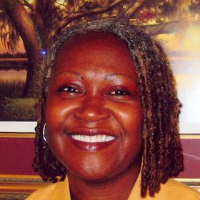
South Carolina · 25 yrs exp
LPC - Addictions and later-life concerns
Addictions · Relationship · Grief · Self esteem · +9 more
Read profile
South Carolina · 21 yrs exp
LPC LCMHC - Relationships and life changes
Relationship · Grief · Parenting · Depression · +14 more
Read profile
South Carolina · 20 yrs exp
Licensed LCSW and LISW - Aging and relationship concerns
Stress, Anxiety · LGBT · Relationship · Family · +6 more
Read profile
South Carolina · 20 yrs exp
Licensed Independent Social Worker - aging and relationship concerns
Stress, Anxiety · Addictions · Relationship · Trauma and abuse · +15 more
Read profile
South Carolina · 8 yrs exp
Licensed Professional Counselor - Aging and relationships
Stress, Anxiety · Relationship · Self esteem · Depression · +10 more
Read profile
South Carolina · 5 yrs exp
Licensed social worker - stress and relationships
Stress, Anxiety · Relationship · Trauma and abuse · Anger · +1 more
Read profile
South Carolina · 41 yrs exp
South Carolina LISW-CP - Aging and relationship concerns
Stress, Anxiety · Relationship · Family · Grief · +12 more
Read profile
South Carolina · 6 yrs exp
Licensed Professional Counselor - Aging and relationships
Stress, Anxiety · Family · Trauma and abuse · Anger · +14 more
Read profile
South Carolina · 10 yrs exp
Licensed Professional Counselor - Aging and mood concerns
Stress, Anxiety · Addictions · Grief · Depression
Read profile
South Carolina · 4 yrs exp
Licensed social worker - aging and relationships
Stress, Anxiety · Grief · Intimacy-related issues · Parenting · +12 more
Read profile
South Carolina · 32 yrs exp
Licensed Professional Counselor - Stress and Aging focus
Stress, Anxiety · Trauma and abuse · Parenting · Self esteem · +1 more
Read profile
South Carolina · 4 yrs exp
Licensed Professional Counselor - Family and Life Changes
Family · Trauma and abuse · Grief · Self esteem · +1 more
Read profile
South Carolina · 40 yrs exp
Licensed Professional Counselor - Stress and Life Changes
Stress, Anxiety · Intimacy-related issues · Self esteem · Depression · +1 more
Read profile
South Carolina · 3 yrs exp
Licensed social worker - later-life and mood concerns
Stress, Anxiety · Grief · Sleeping · Depression · +1 more
Read profile
South Carolina · 25 yrs exp
Licensed Professional Counselor - Aging and relationship concerns
Stress, Anxiety · Parenting · Self esteem · Depression · +7 more
Read profile
South Carolina · 25 yrs exp
Licensed social worker - aging and transitions
Stress, Anxiety · Grief · Anger · Self esteem · +10 more
Read profile
South Carolina · 17 yrs exp
Licensed Professional Counselor - Aging and family concerns
Stress, Anxiety · Grief · Anger · Self esteem · +8 more
Read profile
South Carolina · 10 yrs exp
Licensed Professional Counselor - Relationships and Aging
Stress, Anxiety · Relationship · Parenting · Self esteem · +13 more
Read profileAs you think about seeking support, you may be considering retirement transitions, changes in health, loss and grief, shifts in family roles, loneliness, or the demands of caregiving. These are common topics that come up for people at many stages of life, and they do not always mean you are ill or that clinical intervention is required. You are likely looking for someone who understands the social, emotional, and practical changes that can accompany later-life decisions, whether you are the older adult or an adult child helping a parent navigate a change.
When you read profiles, pay attention to how a practitioner describes the kinds of concerns they list. Some professionals note experience with retirement planning conversations and identity shifts after a career ends. Others highlight support for people adjusting to new health rhythms, or for family members taking on caregiving roles. The language used in a profile - whether it centers on loss and grieving, relationships with grown children, or sustaining meaning and purpose - helps you judge whether a therapist’s interests align with what you want to address in sessions. Remember that a listed focus is a starting point for conversation, not a guarantee of a specific service.
This page groups profiles under the listed location South Carolina. That grouping does not by itself prove there is an office or physical proximity, nor does it guarantee eligibility to practice in every jurisdiction. You should open individual profiles and confirm whether a therapist has permission to work with you where you live. This is especially important if you plan to meet online and live in a different state or country than the practitioner.
Degrees and professional permission to practice are distinct. Academic degrees such as PhD, PsyD, MD, MA, and MSW indicate educational background. Permission to practice varies by country and region. In the United States, permission typically comes from a state license with titles like LCSW, LPC, LMFT, or similar state-specific credentials. In the United Kingdom and Australia, professionals may be registered with or be members of national or regional organizations. A degree alone does not establish current permission to practice. Look on a profile for explicit statements about licensing, registration, or membership, and follow up with the practitioner to confirm their current standing and whether they can legally provide services where you are located.
When you contact a therapist, concrete questions help you assess fit. Ask what kinds of later-life concerns they have worked with and how they describe their typical role with clients facing retirement, chronic health changes, or caregiving strain. Request examples of how they help people cope with loss or rebuild a sense of purpose after life transitions. If family relationships are central to your concerns, ask whether they work with family dynamics and how they balance individual and relational perspectives.
Therapy approaches are options to discuss, not certifications to assume. You might see wording like therapists who list EMDR among their approaches or who include narrative, psychodynamic, or cognitive-behavioral methods in their profiles. Ask each therapist to explain what an approach looks like in practice and how it may be adapted for later-life concerns. Also ask about experience with populations similar to yours - whether that means caregivers, recently retired people, or those navigating newly changed health routines. Avoid assuming a listed approach means a practitioner uses it for every client; instead, find out how they would apply their methods to the issues you bring.
If you are considering remote sessions, it helps to cover a few practical topics before you begin. Confirm where the therapist is permitted to work and whether they can offer services to someone living in South Carolina or elsewhere. Discuss what platform or tools will be used for sessions and what technical steps you will each take if a connection problem occurs. It is reasonable to ask how the therapist handles emergencies or when they would refer you to local supports, since they may not be able to provide in-person help across state or national lines.
You should also clarify how the therapist describes their communication and therapeutic style so you know whether their pace and approach feel compatible with your preferences. Talk about language needs, expectations for session length and rhythm, and how you would share updates outside scheduled meetings if needed. These conversations help set realistic expectations and give you a clear picture of how care would be coordinated, including local referrals if more hands-on support is required in your area.
Comparing profiles is most useful when you look at several dimensions at once. Focus areas tell you what topics a practitioner regularly highlights, such as retirement adjustment, bereavement, caregiver stress, or family relationships. Languages spoken and cultural experience can shape how comfortable you feel and how well a therapist understands your context. Credentials and degrees indicate education and, sometimes, the professional frameworks a clinician has studied. Remember to check whether a profile describes a current license or registration in the jurisdiction where you live.
Style and tone in a profile also matter. Some practitioners emphasize a practical, problem-solving orientation while others foreground exploration of meaning and life story. Read profile narratives carefully to see whether the language feels direct, reflective, structured, or conversational. Concrete comparison questions to use as you review profiles include: Which focus areas match my primary concerns? Which languages will allow us to communicate comfortably? What does the profile say about the therapist’s permission to practice where I live? How do they describe their typical way of working with later-life transitions or caregiving situations? Use those answers to narrow choices, then reach out to discuss anything the profile does not make clear.
Choosing a therapist is a personal process and profiles are a first step. Use them to compare focus areas, approaches, languages, and professional credentials, and always follow up to confirm that a therapist can legally work with you where you live. If your situation involves family members, caregiving arrangements, or complex health-related changes, be explicit about scope and expectations so you and the practitioner can decide whether to move forward together. The profiles listed under South Carolina are a way to explore options; the most helpful next step is a conversation that clarifies approach, experience, and practical arrangements.
Finally, remember that a listed topic does not establish that a therapist treats children, couples, or families. If those services matter to you, raise them directly when you contact a practitioner. Clear, specific questions will help you and the therapist determine whether your needs are a good match for their practice.
Addictions
2793 therapists
Anger
3279 therapists
Cancer
1833 therapists
Chronic Illness
2331 therapists
Depression
4694 therapists
Grief
4211 therapists
Guilt and Shame
4129 therapists
Isolation / Loneliness
4145 therapists
Midlife Crisis
3523 therapists
Mood Disorders
3281 therapists
Panic Disorder and Panic Attacks
3075 therapists
Post-Traumatic Stress
3444 therapists
Self Esteem
4514 therapists
Sleeping Disorders
1765 therapists
Social Anxiety and Phobia
3698 therapists
Stress & Anxiety
5030 therapists
Trauma and Abuse
3990 therapists
Traumatic Brain Injury
834 therapists
Aging and Geriatric Issues
5294 therapists
Blended Family Issues
2802 therapists
Caregiver Issues and Stress
3946 therapists
Communication Problems
4293 therapists
Compassion Fatigue
2880 therapists
Coping with Life Changes
4444 therapists
Divorce
3546 therapists
Family
3758 therapists
Family of Origin Issues
2748 therapists
Forgiveness
3877 therapists
Hospice and End-of-Life Counseling
2525 therapists
Life Purpose
4279 therapists
Money and Financial Issues
2193 therapists
Parenting
3170 therapists
Relationship
4310 therapists
Workplace Issues
3554 therapists