
Rev. Gary Greene
LPCGeorgia · 18 yrs exp
LPC counselor - relationships and aging issues
Stress, Anxiety · Relationship · Family · Trauma and abuse · +10 more
Read profileTherapists for older adults and their families, in the US, UK and Australia
Need help now?Therapist listings are provided by BetterHelp. We will earn a commission at no extra cost to you if you use our links to buy.
Compare focus areas, therapeutic approaches, languages, credentials and experience among therapists listed in Georgia who note aging and later-life concerns. Browse profiles to learn more and confirm a therapist's permission to work with you where you live.
Georgia · 18 yrs exp
LPC counselor - relationships and aging issues
Stress, Anxiety · Relationship · Family · Trauma and abuse · +10 more
Read profile
Georgia · 25 yrs exp
Licensed social worker - aging and relationships
Stress, Anxiety · Parenting · Anger · Self esteem · +15 more
Read profile
Georgia · 29 yrs exp
Licensed Clinical Social Worker - Aging and relationships
Stress, Anxiety · Addictions · Relationship · Trauma and abuse · +1 more
Read profile
Georgia · 18 yrs exp
Licensed Professional Counselor - Aging and mental health
Stress, Anxiety · Trauma and abuse · Self esteem · Depression · +7 more
Read profile
Georgia · 10 yrs exp
LCSW counselor - aging and life changes
Stress, Anxiety · Grief · Anger · Self esteem · +10 more
Read profile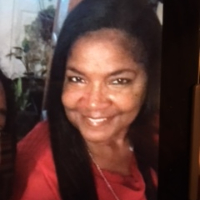
Georgia · 9 yrs exp
Licensed counselor - Aging and mood concerns
Stress, Anxiety · Anger · Self esteem · Bipolar · +11 more
Read profile
Georgia · 7 yrs exp
Dr. Kerene Brown - LICSW, LCSW - Aging and life changes
Stress, Anxiety · Trauma and abuse · Self esteem · Depression · +10 more
Read profile
Georgia · 9 yrs exp
LPC in Georgia - Aging and life changes
Stress, Anxiety · Addictions · Trauma and abuse · Grief · +15 more
Read profile
Georgia · 25 yrs exp
LPC counselor - Aging and relationship concerns
Stress, Anxiety · Trauma and abuse · Grief · Self esteem · +13 more
Read profile
Georgia · 30 yrs exp
Licensed Clinical Social Worker - Relationships and Aging
Relationship · Intimacy-related issues · Self esteem · Career · +9 more
Read profile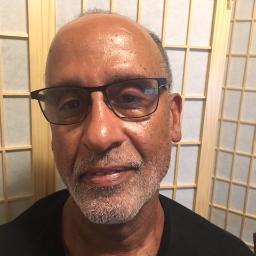
Georgia · 35 yrs exp
Licensed Clinical Social Worker - Aging and relationships
Stress, Anxiety · Relationship · Family · Parenting · +12 more
Read profile
Georgia · 20 yrs exp
Licensed Marriage and Family Therapist - Aging and relationships
Stress, Anxiety · Relationship · Career · Depression · +13 more
Read profile
Georgia · 20 yrs exp
LCSW - Stress and aging related concerns
Stress, Anxiety · Relationship · Self esteem · Career · +12 more
Read profile
Georgia · 8 yrs exp
Licensed Clinical Social Worker - Relationships and Aging
Relationship · Family · Parenting · Self esteem · +1 more
Read profile
Georgia · 20 yrs exp
Licensed Professional Counselor - Stress and Aging issues
Stress, Anxiety · Addictions · Family · Trauma and abuse · +12 more
Read profile
Georgia · 3 yrs exp
Licensed Professional Counselor - Stress and Grief
Stress, Anxiety · Trauma and abuse · Grief · Anger · +1 more
Read profile
Georgia · 15 yrs exp
Licensed Clinical Social Worker - Aging and mood issues
Addictions · Relationship · Bipolar · Depression · +7 more
Read profile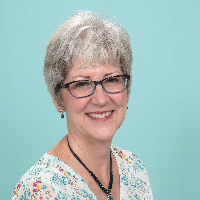
Georgia · 9 yrs exp
Licensed Professional Counselor - Aging and life changes
Stress, Anxiety · Grief · Self esteem · Depression · +12 more
Read profile
Georgia · 10 yrs exp
Licensed Clinical Social Worker - Relationships and Life Changes
Stress, Anxiety · Relationship · Grief · Depression · +10 more
Read profile
Georgia · 13 yrs exp
Licensed Professional Counselor - Relationships and Aging Issues
Relationship · Trauma and abuse · Self esteem · Depression · +15 more
Read profile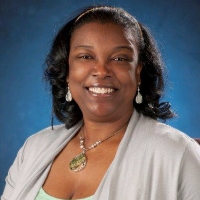
Georgia · 21 yrs exp
Licensed Professional Counselor - Relationships and Life Changes
Stress, Anxiety · Relationship · Family · Anger · +13 more
Read profile
Georgia · 20 yrs exp
Licensed Professional Counselor - Aging and relationships
Stress, Anxiety · Addictions · Family · Anger · +13 more
Read profile
Georgia · 18 yrs exp
Licensed Clinical Social Worker - Aging and relationships
Stress, Anxiety · Self esteem · Depression · Coping with life changes · +12 more
Read profile
Georgia · 23 yrs exp
Dr. Elena Felipe-Valera, LCSW - Trauma and life changes
Stress, Anxiety · LGBT · Trauma and abuse · Grief · +11 more
Read profileAs you think about therapy in later life, you may be juggling a number of transitions and emotions at once. Retirement can bring relief but also questions about purpose, routine and finances. Health changes may shift daily tasks or social patterns, prompting grief for what has been lost as well as practical adjustments. The role of caregiver often arrives unexpectedly and can complicate family relationships and personal time. You or an older relative might also experience loneliness or a desire to renew social connection, or to explore meaning after major life milestones. All of these concerns are normal topics to bring to a therapist who lists aging or later-life issues among their focuses.
Whether you are seeking support for yourself or looking on behalf of a parent or partner, it helps to be specific about the concerns you want to address. Some people prioritize help with coping skills and decision-making around change, while others want a space to process loss or to repair family communication. When you begin comparing profiles you will see different language about the same themes. Pay attention to how a therapist describes their experience with retirement transitions, caregiving strain, bereavement, social isolation, and questions about meaning and identity. That language will help you identify practitioners whose phrasing matches the work you expect to do.
Profiles in this directory group practitioners under a listed location of Georgia, but that label does not automatically mean an office or that a professional can work with every resident. You should check each individual profile for details and confirm a therapist's permission to work with you where you live before making decisions. Profiles commonly list academic degrees such as PhD, PsyD, MD, MA or MSW. Those degrees describe formal education and are not the same as professional permission to practise. In the United States you will often see references to state licensure as the formal permission to provide therapy in a jurisdiction. In the United Kingdom and Australia you may see registration with a national body or professional membership noted instead. The language differs across countries, so read each profile carefully to understand whether the practitioner indicates the relevant permission to work where you live.
You may also encounter descriptions of therapeutic approaches. Those entries show what a therapist lists among their approaches and are not evidence of specific certifications or outcomes. If a profile mentions collaborative work with other professionals, that describes a style or preference rather than a guarantee of a coordinated plan. Always use the profile as a starting point and follow up directly to confirm any professional details that matter to you, including whether the therapist is allowed to provide care in your state or country.
When you contact a therapist after browsing profiles, having a short set of concrete questions can help you compare how practitioners might work with your situation. You might ask how they typically support someone facing a transition into retirement, or how they work with families when caregiving responsibilities put strain on relationships. If loss or mourning is central, you can ask about their experience helping people process grief and adjust to changed roles. For concerns about loneliness or social reintegration, ask whether they focus on practical steps and community resources as well as emotional processing.
It is also useful to ask about the approaches they list on their profile and how those approaches are applied to later-life concerns. You can say, for example, I see you list narrative approaches or mindfulness among your approaches - how do you use those with older adults or with adult children who are supporting parents? If communication style matters to you, ask whether they tend to be more directive and skills-oriented, or more reflective and exploratory. Concrete questions such as How have you helped someone manage caregiving stress, or Can you describe a typical early session with someone facing retirement-related anxiety will give you clearer information than general endorsements alone.
If you are considering remote sessions, there are practical and personal details to cover before beginning. Clarify whether the therapist is permitted to work with clients in your state or country and confirm what they note on their profile about jurisdiction. Discuss the technology you will use and what happens if a connection is lost. Let the therapist know about any hearing, vision or mobility needs that affect how you prefer to communicate, and ask whether they are comfortable adapting session pacing or materials to match.
You should also talk about how to handle emergencies and what local supports the therapist recommends, because your geography matters for immediate help even when work happens at a distance. If information-sharing boundaries of the conversation is important to you, ask how they manage records and what to expect about documentation. Before a first appointment, plan a private space at home where you can speak without interruption, and make sure a trusted person knows how to reach you in case you need assistance around the time of a session. All of these practical matters help you focus on the emotional and relational work you want to do.
Profiles give you several points of comparison, and thinking about them together will make it easier to choose whom to contact. Focus area wording can show whether someone frequently works with retirement, caregiving stress, bereavement, loneliness or life transitions. Languages spoken are important if you prefer to speak in a language other than English or want family members to join parts of the conversation. Academic degrees will tell you about the practitioner’s educational background, while notes about licensure, registration or professional memberships indicate the formal permission or oversight relevant to their location. Remember that a degree such as PhD or MSW describes education and does not by itself establish current permission to practice in a given jurisdiction.
Your sense of style - whether a therapist appears more solution-focused, relational, exploratory or practical - matters as much as credentials. Read profiles for phrases that describe how people work rather than assuming a specific technique will be used. If a profile lists particular approaches, think of those as options to discuss rather than guarantees. A concrete comparison question is How would you describe your therapeutic style when working with someone coping with loss or how do you balance practical planning with emotional processing for older adults facing health changes. If you are an adult child supporting a parent, you can ask How do you involve family members in care conversations and what boundaries do you recommend to protect relationships - those kinds of questions reveal how a therapist approaches real-world situations you are likely to face.
In all cases, use the directory as a starting place to learn about possible matches, then contact individual profiles to ask the specific questions that matter to you. Confirm a therapist’s permission to work with you where you live, clarify how they apply their approaches to later-life topics, and describe the practical needs that will shape the work. With that information you will be better placed to choose a person to speak with who aligns with your goals and circumstances.
Addictions
2793 therapists
Anger
3279 therapists
Cancer
1833 therapists
Chronic Illness
2331 therapists
Depression
4694 therapists
Grief
4211 therapists
Guilt and Shame
4129 therapists
Isolation / Loneliness
4145 therapists
Midlife Crisis
3523 therapists
Mood Disorders
3281 therapists
Panic Disorder and Panic Attacks
3075 therapists
Post-Traumatic Stress
3444 therapists
Self Esteem
4514 therapists
Sleeping Disorders
1765 therapists
Social Anxiety and Phobia
3698 therapists
Stress & Anxiety
5030 therapists
Trauma and Abuse
3990 therapists
Traumatic Brain Injury
834 therapists
Aging and Geriatric Issues
5294 therapists
Blended Family Issues
2802 therapists
Caregiver Issues and Stress
3946 therapists
Communication Problems
4293 therapists
Compassion Fatigue
2880 therapists
Coping with Life Changes
4444 therapists
Divorce
3546 therapists
Family
3758 therapists
Family of Origin Issues
2748 therapists
Forgiveness
3877 therapists
Hospice and End-of-Life Counseling
2525 therapists
Life Purpose
4279 therapists
Money and Financial Issues
2193 therapists
Parenting
3170 therapists
Relationship
4310 therapists
Workplace Issues
3554 therapists