
Dr. Julie McCune
LPCCOhio · 25 yrs exp
Dr. Julie McCune - LPCC, aging and relationship concerns
Stress, Anxiety · LGBT · Relationship · Self esteem · +16 more
Read profileTherapists for older adults and their families, in the US, UK and Australia
Need help now?Therapist listings are provided by BetterHelp. We will earn a commission at no extra cost to you if you use our links to buy.
This collection groups profiles of clinicians who list isolation or loneliness among their specialties and who also note aging and later-life concerns. You can compare listed location, focus areas, approach descriptions, languages, and credentials to find profiles that match your needs.
Browse the profiles below to learn about different approaches and what to ask before contacting a clinician.
Ohio · 25 yrs exp
Dr. Julie McCune - LPCC, aging and relationship concerns
Stress, Anxiety · LGBT · Relationship · Self esteem · +16 more
Read profile
Florida · 14 yrs exp
LCSW - Stress and aging concerns
Stress, Anxiety · Grief · Anger · Self esteem · +12 more
Read profile
Michigan · 25 yrs exp
Licensed Professional Counselor - Aging and relationships
Stress, Anxiety · LGBT · Relationship · Grief · +10 more
Read profile
Colorado · 19 yrs exp
LCSW - Mood and later-life concerns
Stress, Anxiety · Relationship · Trauma and abuse · Grief · +12 more
Read profile
South Carolina · 16 yrs exp
Licensed Marriage and Family Therapist - Aging and relationships
Stress, Anxiety · Relationship · Family · Parenting · +14 more
Read profile
Florida · 20 yrs exp
LMHC - Addiction and later-life concerns
Stress, Anxiety · Addictions · Relationship · Self esteem · +16 more
Read profile
Florida · 23 yrs exp
LICSW LCSW - LGBT and intimacy concerns
LGBT · Intimacy-related issues
Read profile
Massachusetts · 23 yrs exp
LMHC - Relationships and Later-Life Concerns
Addictions · LGBT · Relationship · Intimacy-related issues · +12 more
Read profile
Texas · 12 yrs exp
LMFT - Relationships and later-life concerns
Stress, Anxiety · Addictions · Relationship · Grief · +11 more
Read profile
Texas · 21 yrs exp
Licensed Professional Counselor - Aging and relationship care
Stress, Anxiety · Relationship · Family · Depression · +13 more
Read profile
Maryland · 6 yrs exp
Licensed Clinical Professional Counselor - Aging and relationships
Stress, Anxiety · Trauma and abuse · Self esteem · Coping with life changes · +10 more
Read profile
Illinois · 20 yrs exp
Licensed Clinical Professional Counselor - anxiety and aging issues
Stress, Anxiety · LGBT · Anger · Self esteem · +12 more
Read profile
Missouri · 16 yrs exp
LCSW - Mood, trauma and aging concerns
Stress, Anxiety · Trauma and abuse · Self esteem · Bipolar · +12 more
Read profile
Texas · 17 yrs exp
Licensed Professional Counselor - Aging and family concerns
Stress, Anxiety · Family · Depression · Coping with life changes · +12 more
Read profile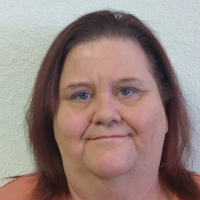
Texas · 9 yrs exp
Licensed Professional Counselor - Aging and relationships
Stress, Anxiety · Trauma and abuse · Grief · Depression · +12 more
Read profile
Alabama · 20 yrs exp
Alabama LPC - later-life and relationships
Stress, Anxiety · Grief · Anger · Self esteem · +11 more
Read profile
Texas · 10 yrs exp
Licensed Professional Counselor - Aging and relationship concerns
Stress, Anxiety · Relationship · Family · Depression · +14 more
Read profile
Ohio · 33 yrs exp
LPCC in Ohio - Aging and life changes related care
Stress, Anxiety · Family · Trauma and abuse · Self esteem · +12 more
Read profile
Illinois · 10 yrs exp
Illinois LCPC - Relationships and Life Changes
Stress, Anxiety · LGBT · Relationship · Trauma and abuse · +10 more
Read profile
Arizona · 20 yrs exp
Arizona psychologist - aging and life changes
Stress, Anxiety · Addictions · Grief · Self esteem · +14 more
Read profile
Oklahoma · 30 yrs exp
Licensed Professional Counselor - Aging and relationships
Stress, Anxiety · Grief · Intimacy-related issues · Depression · +8 more
Read profile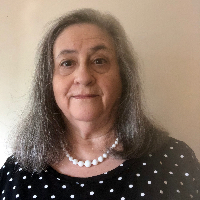
Mississippi · 23 yrs exp
Licensed Clinical Social Worker - Aging and life changes
Stress, Anxiety · Grief · Anger · Self esteem · +8 more
Read profile
Georgia · 18 yrs exp
LPC counselor - relationships and aging issues
Stress, Anxiety · Relationship · Family · Trauma and abuse · +10 more
Read profile
California · 14 yrs exp
Licensed Clinical Social Worker - Aging and relationship issues
Stress, Anxiety · Trauma and abuse · Grief · Self esteem · +8 more
Read profileWhen you or a family member feel isolated, it often shows up as a sense of disconnection from other people, a shrinking social circle, or a loss of meaningful roles. Loneliness is the subjective experience of that disconnection and can happen even when you are around others. In later life, transitions such as retirement, changes in health, the death of peers or partners, or moves away from familiar neighborhoods can shift routines and relationships in ways that make loneliness more likely. Caregiving responsibilities, changes in driving ability, or living arrangements that differ from what you expected can also alter how you interact with friends and family.
It helps to view isolation and loneliness as experiences that affect your day-to-day life, routine, and sense of purpose rather than as a single diagnosis. Therapists and mental health professionals who list isolation or loneliness among their focuses often bring experience with relationship changes, grief, life transitions, and meaning-making in later life. When you read profiles on this page, look for language that reflects the kinds of changes you are facing so you can identify clinicians whose stated interests align with your situation.
The relationship between loneliness and aging is complex and personal. Some people experience loneliness after major life events, while others find their social needs change gradually. Retirement can mean losing daily social contacts and a defined role, and a narrowing of purpose may follow. Health changes may limit mobility or energy, altering how you can participate in social activities. At the same time, family roles often shift - adult children may become caregivers, or you may take on caregiving tasks that reduce opportunities for social engagement. Loss of friends and partners is a common feature of later life that reshapes social networks and the sources of support you relied on.
You should not assume that a clinician who lists aging concerns is focused only on medical or memory-related issues. Profiles on SeniorsTherapists.org reflect clinicians who note aging and later-life concerns among their areas of focus. That does not mean they provide medical assessments, memory testing, care-home services, or dementia care. If those topics are relevant to you, plan to ask directly about a clinician's experience and scope. The connection between later-life concerns and loneliness is important to explore, but it is one of several avenues to consider when choosing a clinician to talk with.
When you are comparing profiles, think about concrete questions that will help you learn whether a clinician's experience and way of working fit your needs. You might ask what sorts of later-life transitions they have worked with - for example retirement, changes in mobility, losses of friends or spouses, or shifting family roles. Ask whether they have experience supporting people who are caring for others and how they address caregiver stress and changing family dynamics. If you are looking for particular ways of working, ask whether they have worked with people who benefited from strategies such as cognitive-behavioral approaches, narrative work, mindfulness-based approaches, or meaning-focused therapy, and remember that a profile may list an approach without indicating special certification or training. You can also ask about their experience with age-related identity questions, such as redefining purpose after retirement or exploring relationships across generations.
Concrete questions to bring to an initial conversation include: Which life changes have you helped people navigate that resemble mine? How do you typically help someone who feels disconnected from family or community? What does a typical session focus on when loneliness is a central concern? Inquire about the range of issues they address so you know whether to discuss caregiving role strain, bereavement, or social skills and community reengagement. These questions give you practical information about fit rather than assumptions about outcomes or guarantees.
If you are considering remote sessions, prepare to ask specific questions about technology, session format, and practical boundaries. Clarify which video platform or telephone arrangements the clinician uses and whether you will need any particular software or account. Ask how they handle interruptions, what options exist if a connection drops, and how you will receive session notes or follow-up resources. Discuss privacy practices so you understand how your personal information and session notes are managed, and ask about emergency contacts or plans in the event of a crisis given the clinician's listed location and any jurisdictional limits on their practice.
Also explore how the clinician adapts remote work for sensory or mobility needs, whether they can provide longer or shorter sessions, and how they structure between-session support such as reading or exercises. If language is important, ask which languages they work in and whether they have experience working with people from similar cultural backgrounds. If you are supporting an older relative, ask how the clinician engages with family members and what their usual approach is to family involvement while noting that a listed focus does not establish that the clinician treats couples or families unless they state that scope directly.
Comparing profiles effectively starts with the details you care about. Look at stated focus areas and read how clinicians describe their work with later-life issues. A profile that mentions retirement transitions, grief, caregiving stress, or rebuilding social connections may align with your situation. Pay attention to languages listed in profiles if you prefer to communicate in a language other than English. Profiles often note whether a clinician works in multiple languages or with particular cultural communities, and that information can affect how comfortable you feel in sessions.
Examine credentials carefully and understand the difference between academic degrees and professional permission to practice. Degrees such as PhD, PsyD, MD, MA, and MSW indicate a clinician's educational background. Professional licensing, registration, or association membership indicates the frameworks under which they practice. In the United States clinicians typically list state licenses such as licensed clinical social worker or licensed psychologist; in the United Kingdom clinicians may note registration or membership with national professional bodies; and in Australia clinicians may list registration with national boards or membership in professional associations. A degree alone does not establish current permission to practice, and membership or registration is different from a degree.
Finally, consider reading profile language about therapeutic style, pacing, and practical orientation. Some clinicians describe an approach that is practical and problem-focused, while others emphasize narrative exploration or meaning-making. Profiles may also indicate whether a clinician prefers short-term goal work or longer-term exploratory work. Use the concrete comparison questions suggested above when you contact a clinician so you can learn how their stated style would match the experience you want. Taking time to compare focus areas, languages, credentials, and style will help you identify profiles that merit a deeper conversation about fit.
Alabama
72 therapists
Alaska
6 therapists
Arizona
64 therapists
Arkansas
44 therapists
Australia
99 therapists
California
363 therapists
Colorado
112 therapists
Connecticut
34 therapists
Delaware
8 therapists
District of Columbia
13 therapists
Florida
543 therapists
Georgia
133 therapists
Hawaii
16 therapists
Idaho
35 therapists
Illinois
173 therapists
Indiana
64 therapists
Iowa
28 therapists
Kansas
29 therapists
Kentucky
58 therapists
Louisiana
79 therapists
Maine
19 therapists
Maryland
66 therapists
Massachusetts
69 therapists
Michigan
194 therapists
Minnesota
51 therapists
Mississippi
42 therapists
Missouri
131 therapists
Montana
38 therapists
Nebraska
21 therapists
Nevada
29 therapists
New Hampshire
12 therapists
New Jersey
95 therapists
New Mexico
30 therapists
New York
227 therapists
North Carolina
186 therapists
North Dakota
6 therapists
Ohio
126 therapists
Oklahoma
73 therapists
Oregon
36 therapists
Pennsylvania
159 therapists
Rhode Island
7 therapists
South Carolina
84 therapists
South Dakota
7 therapists
Tennessee
74 therapists
Texas
422 therapists
United Kingdom
835 therapists
Utah
20 therapists
Vermont
10 therapists
Virginia
84 therapists
Washington
51 therapists
West Virginia
18 therapists
Wisconsin
87 therapists
Wyoming
14 therapists