- Cognitive Behavioral Therapy
- Motivational Interviewing
- Mindfulness techniques
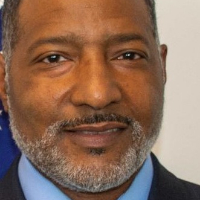
About Joseph
He uses clear, practical methods drawn from cognitive behavioral approaches, motivational interviewing, and client-centered ideas. Sessions focus on understanding patterns of thought and behavior, setting concrete goals, and building everyday strategies that fit each person's life. He also brings mindfulness techniques and solution-focused work into practical problem solving.
Joseph has long experience helping people with substance misuse and recovery maintenance. He offers support for people facing separation, control and codependency problems, and those dealing with trauma and abuse or domestic violence consequences. He also addresses concerns around fatherhood, men’s issues, veteran and first responder stress, and living with chronic health or life-stage change.
His style is direct and goal-oriented. He works with clients to form a plan and checks progress regularly. People can expect conversations that focus on skills, motivation, and steps to manage symptoms and daily challenges.
To begin, he asks for a short intake so goals and practical steps are clear. That intake leads to scheduling an initial session and a treatment plan that matches the person's current needs and routines.
Areas of expertise
Primary focus
Also works with
Additional focus areas
Therapeutic approaches
Experience
32+ years
Credentials
Maryland, Virginia
Languages
English
Approaches used in remote work and how they help
Client-centered work focuses on the person’s own goals and concerns and is about listening and building a plan based on what matters to the client. That approach helps clarify priorities and keeps sessions focused on practical steps.Cognitive Behavioral Therapy looks at how thoughts, feelings, and actions interact. It teaches specific skills to shift unhelpful thinking and daily habits, which can reduce symptoms of anxiety, depression, and stress. Motivational Interviewing is a brief, goal-focused style that helps people boost their own motivation to change, useful for addictions and recovery maintenance.
Choosing the right approach is part of the process. The therapist will work collaboratively to match methods to the client’s goals, preferences, and daily life needs. That may mean trying a few techniques and adjusting the plan as progress is reviewed.
Session formats were not specified in the biography, so confirm current options before booking. In general, remote work can make scheduling easier, let sessions fit around care duties or medical appointments, and reduce travel time. Phone sessions use less bandwidth, brief check-ins can fit into a lunch break, and video calls support visual cues when preferred. These practical benefits help integrate therapy into everyday routines without promising a specific format.
Frequently asked questions
What concerns does he help with?
He works with stress, anxiety, depression, addictions, grief, relationship and intimacy issues, and life changes including aging and geriatric issues.
What is his therapeutic style?
He uses client-centered care combined with cognitive behavioral methods, motivational interviewing, solution-focused steps, and mindfulness to create practical plans.
How much experience does he have?
He has 32 years of professional counseling experience.
What are his credentials and location?
He holds LCPC and LPC credentials, with the LCPC in Maryland and the LPC in Virginia, and practices in Virginia.
Which languages are supported?
Sessions are offered in English.
What session formats are available?
Session formats were not specified in the biography; confirm current session options before booking.
How much do sessions cost?
Cost varies by location; sessions use a subscription that can be canceled at any time.
How do I get started?
Select the See online therapy options button, complete the short matching questionnaire, and schedule a first session.