- Stress and anxiety
- Addiction concerns
- Caregiver support
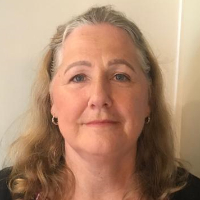
About Cheryl
Her approach focuses on clear, practical steps people can use. She listens to what feels most urgent, then helps identify patterns that keep problems going. Treatment often combines short-term, goal-focused work with techniques to manage symptoms day to day.
Dr. Mansfield uses Client-Centered Therapy to prioritize each person's goals and perspective. She draws on Cognitive Behavioral Therapy to identify unhelpful thoughts and change behaviors. Solution-Focused and Motivational Interviewing tools help set and reach realistic steps forward. Mindfulness techniques are used to reduce stress and increase present-moment awareness.
Her background includes work in outpatient clinics, hospitals, and with military populations. That variety informs a practical style that aims for efficient, long-lasting change. She emphasizes strengths people already have and builds new skills from there.
Sessions are focused on goals and coping strategies. Typical work includes short skill-building exercises, problem-solving, and reviewing progress. People who want clear tools and steady support during life transitions may find this approach helpful.
Areas of expertise
Primary focus
Also works with
Additional focus areas
Therapeutic approaches
Experience
20+ years
Credentials
Virginia, District of Columbia
Languages
English
How therapeutic methods are used in online sessions
Dr. Mansfield commonly uses Client-Centered Therapy to make room for each person's priorities and perspective. That approach means the therapist listens closely and adapts goals to what matters most for the individual, which can be helpful when navigating life changes or caregiving roles.She also uses Cognitive Behavioral Therapy (CBT) to identify unhelpful thought patterns and practice different behaviors. CBT tasks are often concrete, such as tracking thoughts and trying small behavior changes, which can be worked on between sessions.
Finding the right approach is part of the work. She will collaborate with the client to choose methods that match their needs, goals, and preferences. That process may combine listening, skills practice, and short goal-focused steps agreed on together.
Confirm the exact online session formats before booking since the biography does not list them. Online therapy can make it easier to fit sessions into daily life, reduce travel time, and allow shorter check-ins when schedules are tight. It can also let people use mindfulness and CBT exercises at home and then discuss how those practices went in their next meeting.
Frequently asked questions
What concerns does she address?
She supports people with stress, anxiety, depression, grief, trauma and abuse, addictions, relationship and intimacy issues, caregiver stress, and aging and geriatric issues among other concerns.
How would you describe her therapy style?
Her style is practical and goal-focused. She combines client-centered listening with tools to change thoughts and behaviors.
How much clinical experience does she have?
She has 20 years of experience working in outpatient settings, hospitals, and with military populations.
What credentials and location are listed?
She holds DC LICSW and VA LCSW credentials and practices in Virginia.
Which languages are offered for sessions?
Sessions are offered in English.
Can international clients work with her?
She accepts international clients.
How are sessions paid for?
Cost varies with location; sessions use a subscription that can be canceled at any time.
What are the steps to get started?
Select the See online therapy options button, complete a short matching questionnaire, and schedule a first session.