
Dr. Julie McCune
LPCCOhio · 25 yrs exp
Dr. Julie McCune - LPCC, aging and relationship concerns
Stress, Anxiety · LGBT · Relationship · Self esteem · +16 more
Read profileTherapists for older adults and their families, in the US, UK and Australia
Need help now?Therapist listings are provided by BetterHelp. We will earn a commission at no extra cost to you if you use our links to buy.
This directory groups profiles of clinicians who list compassion fatigue among their focus areas alongside aging and later-life concerns. You can compare profiles by approach, credentials, languages and listed location to find clinicians whose experience matches the needs you bring. Browse the profiles below to read descriptions and learn more about each clinician's focus.
Ohio · 25 yrs exp
Dr. Julie McCune - LPCC, aging and relationship concerns
Stress, Anxiety · LGBT · Relationship · Self esteem · +16 more
Read profile
Florida · 14 yrs exp
LCSW - Stress and aging concerns
Stress, Anxiety · Grief · Anger · Self esteem · +12 more
Read profile
Michigan · 25 yrs exp
Licensed Professional Counselor - Aging and relationships
Stress, Anxiety · LGBT · Relationship · Grief · +10 more
Read profile
Illinois · 17 yrs exp
LCSW in Illinois - Trauma and life changes
Trauma and abuse · Coping with life changes · Stress, Anxiety · Relationship · +9 more
Read profile
South Carolina · 16 yrs exp
Licensed Marriage and Family Therapist - Aging and relationships
Stress, Anxiety · Relationship · Family · Parenting · +14 more
Read profile
Florida · 20 yrs exp
LMHC - Addiction and later-life concerns
Stress, Anxiety · Addictions · Relationship · Self esteem · +16 more
Read profile
Missouri · 10 yrs exp
LPC in Missouri - stress and aging concerns
Stress, Anxiety · Addictions · Grief · Self esteem · +9 more
Read profile
Louisiana · 7 yrs exp
Dr. Tanya Harrell - LPC, aging and adult concerns
Stress, Anxiety · Family · Trauma and abuse · Parenting · +15 more
Read profile
Texas · 12 yrs exp
LMFT - Relationships and later-life concerns
Stress, Anxiety · Addictions · Relationship · Grief · +11 more
Read profile
Texas · 21 yrs exp
Licensed Professional Counselor - Aging and relationship care
Stress, Anxiety · Relationship · Family · Depression · +13 more
Read profile
Maryland · 6 yrs exp
Licensed Clinical Professional Counselor - Aging and relationships
Stress, Anxiety · Trauma and abuse · Self esteem · Coping with life changes · +10 more
Read profile
Florida · 25 yrs exp
LMHC - Depression and Aging concerns
Stress, Anxiety · Family · Grief · Self esteem · +12 more
Read profile
Texas · 22 yrs exp
Licensed Professional Counselor - Aging and life changes
Stress, Anxiety · Grief · Career · Depression · +9 more
Read profile
Illinois · 20 yrs exp
Licensed Clinical Professional Counselor - anxiety and aging issues
Stress, Anxiety · LGBT · Anger · Self esteem · +12 more
Read profile
Missouri · 16 yrs exp
LCSW - Mood, trauma and aging concerns
Stress, Anxiety · Trauma and abuse · Self esteem · Bipolar · +12 more
Read profile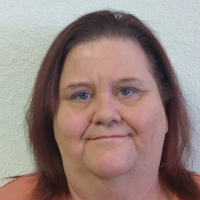
Texas · 9 yrs exp
Licensed Professional Counselor - Aging and relationships
Stress, Anxiety · Trauma and abuse · Grief · Depression · +12 more
Read profile
Texas · 10 yrs exp
Licensed Professional Counselor - Aging and relationship concerns
Stress, Anxiety · Relationship · Family · Depression · +14 more
Read profile
Ohio · 33 yrs exp
LPCC in Ohio - Aging and life changes related care
Stress, Anxiety · Family · Trauma and abuse · Self esteem · +12 more
Read profile
Arizona · 20 yrs exp
Arizona psychologist - aging and life changes
Stress, Anxiety · Addictions · Grief · Self esteem · +14 more
Read profile
Oklahoma · 30 yrs exp
Licensed Professional Counselor - Aging and relationships
Stress, Anxiety · Grief · Intimacy-related issues · Depression · +8 more
Read profile
Mississippi · 23 yrs exp
Licensed Clinical Social Worker - Aging and life changes
Stress, Anxiety · Grief · Anger · Self esteem · +8 more
Read profile
Georgia · 18 yrs exp
LPC counselor - relationships and aging issues
Stress, Anxiety · Relationship · Family · Trauma and abuse · +10 more
Read profile
California · 14 yrs exp
Licensed Clinical Social Worker - Aging and relationship issues
Stress, Anxiety · Trauma and abuse · Grief · Self esteem · +8 more
Read profile
Michigan · 21 yrs exp
LMSW - Relationships and later-life concerns
Stress, Anxiety · Relationship · Family · Bipolar · +14 more
Read profileCompassion fatigue can show up in different ways when it intersects with later-life issues. You might be a person who has stepped into an ongoing caregiving role for a partner, parent, or friend and notice that the emotional toll feels heavier than expected. You might be an adult child juggling work and care responsibilities, or you may be navigating retirement, health changes, grief after losing people or roles, or the solitude that sometimes follows major life transitions. All of these experiences can compound stress and leave you feeling depleted, numb, resentful, or emotionally overwhelmed.
When you are looking for a clinician through a directory that focuses on aging, think about the specific stresses you face. Is the strain linked mainly to hands-on caregiving tasks, to watching someone decline, to changes in your social network after retirement, or to managing your own health and loss of roles? Your answers will shape the kinds of support that might help you make changes in how you cope, how you set boundaries, and how you find sources of meaning and connection. Keep in mind that not everyone in later life experiences the same pressures, and you do not need to fit a label to seek help with the fatigue you feel.
This specialty page groups clinicians who list compassion fatigue alongside other aging-related concerns, but a listed topic is only an indicator that the clinician notes it among their focus areas. It does not in itself establish any form of certification or guarantee of outcomes. What this grouping does offer is a way to find clinicians who acknowledge the intersection of emotional exhaustion with retirement transitions, caregiving roles, loss and bereavement, loneliness, and changing family dynamics in later life.
You will see clinicians describe work with people navigating the emotional impact of long-term caregiving, the identity shifts that come with leaving a career, and the search for meaning after major losses. Some profiles will emphasize skills in supporting family communication, boundary setting, or grief processing. Others may highlight experience in helping people re-engage with community or find adaptive routines. Use the profiles to map which clinicians mention the specific later-life concerns most relevant to you, and then reach out to discuss how that clinician frames the relationship between compassion fatigue and aging in their practice.
When you review profiles, have a short checklist of questions in mind that will help you compare clinicians on concrete grounds. You can ask how the clinician describes their approach to emotional exhaustion and caregiver stress, and whether they have experience with retirement transitions, bereavement, chronic health changes, or family caregiving dynamics. If you are interested in specific therapeutic options, phrase it this way - for example, ask about clinicians who list EMDR among their approaches, or who describe narrative, cognitive, or mindfulness-informed work - and ask how they decide which approach fits a particular person's situation.
Pay close attention to credentials and regulatory details. In the United States clinicians will commonly list a state license such as LCSW, LPC, LMFT, PhD or PsyD in psychology, or MD for psychiatrists. In the United Kingdom and Australia you will see references to professional registration or membership in national bodies rather than a single unified licensing system. Degrees such as PhD, PsyD, MA, or MSW indicate academic qualifications; a degree alone does not establish current permission to practice, so check whether a clinician lists a relevant license, registration, or membership and confirm the jurisdiction shown on the profile. Also ask about the clinician's experience with older adults or caregiver populations, the languages they work in, and the typical ways they describe their therapeutic style - collaborative, directive, supportive, exploratory - so you get a sense of fit.
If you are considering online or remote sessions, discuss practical and safety-related topics before beginning. Ask whether the clinician offers remote sessions and what technology or platform they use, and whether they can accommodate your device and internet situation. Clarify privacy practices for online work, how records are handled, and what steps the clinician takes to manage urgent concerns or crises when you are not in the same locality. Because clinicians may be licensed or registered in specific jurisdictions, ask about the relevance of the clinician's listed location to online care and whether regulations affect how they work with people in different regions.
You should also talk about scheduling across time zones if that applies, the language you prefer to use in sessions, the clinician's general approach to communication between meetings, and any accessibility needs you have. If you are supporting an older relative, make sure to discuss consent and the person’s own goals for care, and agree with the clinician on how family involvement will be handled. These conversations will make it easier to decide whether the clinician’s practice, as described in the profile, aligns with your expectations and practical requirements.
Profiles can vary in the level of detail they provide, so give yourself time to read the descriptions and note the elements that matter most to you. Look for clinicians who explicitly mention compassion fatigue together with aging, caregiving, grief, loneliness, or retirement transitions if those topics match your concerns. Check the languages listed in the profile if you prefer to work in a language other than English, and consider how cultural competence or background is described in relation to your needs.
Compare the academic degrees shown in profiles separately from registration or licensing statements. A clinician may list a PhD or MSW alongside an indication of state licensure in the United States, or membership in a professional body in the United Kingdom or Australia. If a clinician mentions specific therapeutic approaches, remember to use phrasing that reflects what the profile states - for example, therapists who list EMDR among their approaches - and ask how they integrate those approaches with later-life issues. Finally, read the therapist’s description of their style and preferred client work to judge fit. Some clinicians emphasize practical skills and coping strategies, others focus on meaning-making and life review, and others foreground family systems or boundary-setting work. The right match is often about how the clinician describes their work and whether that aligns with the support you or a loved one is seeking.
Finding a clinician in a directory that highlights aging and later-life concerns is a first step. Use profiles to narrow your choices, prepare concrete questions before contacting a clinician, and discuss scope of practice and regulatory credentials directly. That approach will help you identify clinicians whose focus areas, experience, language skills and therapeutic style are a good fit for the compassion fatigue and related challenges you are managing.
Alabama
72 therapists
Alaska
6 therapists
Arizona
64 therapists
Arkansas
44 therapists
Australia
99 therapists
California
363 therapists
Colorado
112 therapists
Connecticut
34 therapists
Delaware
8 therapists
District of Columbia
13 therapists
Florida
543 therapists
Georgia
133 therapists
Hawaii
16 therapists
Idaho
35 therapists
Illinois
173 therapists
Indiana
64 therapists
Iowa
28 therapists
Kansas
29 therapists
Kentucky
58 therapists
Louisiana
79 therapists
Maine
19 therapists
Maryland
66 therapists
Massachusetts
69 therapists
Michigan
194 therapists
Minnesota
51 therapists
Mississippi
42 therapists
Missouri
131 therapists
Montana
38 therapists
Nebraska
21 therapists
Nevada
29 therapists
New Hampshire
12 therapists
New Jersey
95 therapists
New Mexico
30 therapists
New York
227 therapists
North Carolina
186 therapists
North Dakota
6 therapists
Ohio
126 therapists
Oklahoma
73 therapists
Oregon
36 therapists
Pennsylvania
159 therapists
Rhode Island
7 therapists
South Carolina
84 therapists
South Dakota
7 therapists
Tennessee
74 therapists
Texas
422 therapists
United Kingdom
835 therapists
Utah
20 therapists
Vermont
10 therapists
Virginia
84 therapists
Washington
51 therapists
West Virginia
18 therapists
Wisconsin
87 therapists
Wyoming
14 therapists