
Velma Jones
LCSWNew York · 29 yrs exp
Velma Jones LCSW - Relationships and Mood
Stress, Anxiety · Relationship · Trauma and abuse · Depression · +10 more
Read profileTherapists for older adults and their families, in the US, UK and Australia
Need help now?Therapist listings are provided by BetterHelp. We will earn a commission at no extra cost to you if you use our links to buy.
This group highlights therapists who list caregiver issues and stress among aging and later-life concerns. Compare listed location, approaches, languages, degrees, and professional registration, then browse profiles to find practitioners who match your needs.
New York · 29 yrs exp
Velma Jones LCSW - Relationships and Mood
Stress, Anxiety · Relationship · Trauma and abuse · Depression · +10 more
Read profile
Ohio · 25 yrs exp
Dr. Julie McCune - LPCC, aging and relationship concerns
Stress, Anxiety · LGBT · Relationship · Self esteem · +16 more
Read profile
Florida · 14 yrs exp
LCSW - Stress and aging concerns
Stress, Anxiety · Grief · Anger · Self esteem · +12 more
Read profile
Michigan · 25 yrs exp
Licensed Professional Counselor - Aging and relationships
Stress, Anxiety · LGBT · Relationship · Grief · +10 more
Read profile
Illinois · 17 yrs exp
LCSW in Illinois - Trauma and life changes
Trauma and abuse · Coping with life changes · Stress, Anxiety · Relationship · +9 more
Read profile
Colorado · 19 yrs exp
LCSW - Mood and later-life concerns
Stress, Anxiety · Relationship · Trauma and abuse · Grief · +12 more
Read profile
South Carolina · 16 yrs exp
Licensed Marriage and Family Therapist - Aging and relationships
Stress, Anxiety · Relationship · Family · Parenting · +14 more
Read profile
Florida · 20 yrs exp
LMHC - Addiction and later-life concerns
Stress, Anxiety · Addictions · Relationship · Self esteem · +16 more
Read profile
Missouri · 10 yrs exp
LPC in Missouri - stress and aging concerns
Stress, Anxiety · Addictions · Grief · Self esteem · +9 more
Read profile
Florida · 23 yrs exp
LICSW LCSW - LGBT and intimacy concerns
LGBT · Intimacy-related issues
Read profile
Massachusetts · 23 yrs exp
LMHC - Relationships and Later-Life Concerns
Addictions · LGBT · Relationship · Intimacy-related issues · +12 more
Read profile
Louisiana · 7 yrs exp
Dr. Tanya Harrell - LPC, aging and adult concerns
Stress, Anxiety · Family · Trauma and abuse · Parenting · +15 more
Read profile
Texas · 12 yrs exp
LMFT - Relationships and later-life concerns
Stress, Anxiety · Addictions · Relationship · Grief · +11 more
Read profile
Texas · 21 yrs exp
Licensed Professional Counselor - Aging and relationship care
Stress, Anxiety · Relationship · Family · Depression · +13 more
Read profile
Maryland · 6 yrs exp
Licensed Clinical Professional Counselor - Aging and relationships
Stress, Anxiety · Trauma and abuse · Self esteem · Coping with life changes · +10 more
Read profile
Texas · 22 yrs exp
Licensed Professional Counselor - Aging and life changes
Stress, Anxiety · Grief · Career · Depression · +9 more
Read profile
Illinois · 20 yrs exp
Licensed Clinical Professional Counselor - anxiety and aging issues
Stress, Anxiety · LGBT · Anger · Self esteem · +12 more
Read profile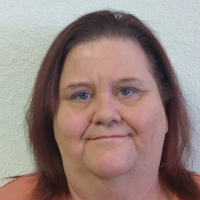
Texas · 9 yrs exp
Licensed Professional Counselor - Aging and relationships
Stress, Anxiety · Trauma and abuse · Grief · Depression · +12 more
Read profile
Michigan · 15 yrs exp
Licensed Professional Counselor - Relationships and Life Changes
Stress, Anxiety · Relationship · Grief · Self esteem · +7 more
Read profile
Texas · 10 yrs exp
Licensed Professional Counselor - Aging and relationship concerns
Stress, Anxiety · Relationship · Family · Depression · +14 more
Read profile
Ohio · 33 yrs exp
LPCC in Ohio - Aging and life changes related care
Stress, Anxiety · Family · Trauma and abuse · Self esteem · +12 more
Read profile
Illinois · 10 yrs exp
Illinois LCPC - Relationships and Life Changes
Stress, Anxiety · LGBT · Relationship · Trauma and abuse · +10 more
Read profile
Arizona · 20 yrs exp
Arizona psychologist - aging and life changes
Stress, Anxiety · Addictions · Grief · Self esteem · +14 more
Read profile
Oklahoma · 30 yrs exp
Licensed Professional Counselor - Aging and relationships
Stress, Anxiety · Grief · Intimacy-related issues · Depression · +8 more
Read profileWhen you are juggling caregiving responsibilities for an older relative or supporting someone through later-life transitions, stress can show up in many ways. You may notice fatigue, changes in mood, friction in family relationships, or uncertainty about long-term roles and expectations. Retirement, shifts in health, loss and loneliness are common parts of the picture that affect both the person receiving care and the family members who provide it. Whether you are an older adult asking for support, an adult child coordinating care, or a friend stepping into a caregiving role, you are likely to have practical questions as well as emotional responses that deserve attention.
Therapeutic conversations can help you sort priorities, set boundaries, and process grief and identity changes that often come with later-life transitions. Many people also want practical strategies for communication with siblings or for coping with the day-to-day unpredictability of caregiving. As you explore profiles on this page, keep in mind that individual therapists will emphasize different aspects of caregiver support - some focus on relationship dynamics, others on stress management or meaning-making in later life.
This directory groups professionals who list caregiver issues and stress alongside aging and later-life concerns, but that listing does not imply a causal relationship. You might be dealing with caregiving responsibilities that arose because of a health change, retirement planning, or a change in living arrangements. Alternatively, you could be navigating how caregiving fits with your own transition into later life. The important point is that caregiver stress is often intertwined with topics such as grief, loneliness, role changes, and family shifts, and many therapists in this pool describe experience addressing these intersecting themes.
Profiles in the directory indicate what each therapist has listed as focus areas and approaches, which lets you compare whether a clinician remarks on caregiving dynamics, bereavement, retirement adjustment, or relationship work. This helps you decide which profiles to read more closely. It is also useful to remember that a listed focus does not guarantee a particular scope of practice or specialized certification; your conversation with a therapist will clarify whether their experience fits the specific caregiving situation you are facing.
When you contact someone whose profile seems relevant, prepare targeted questions so you can evaluate fit efficiently. Ask whether they have worked with people in situations similar to yours - for example, adult children balancing employment and caregiving, spouses who have taken on new responsibilities after retirement, or people coping with anticipatory grief. Inquire about the kinds of goals they help clients set, such as improving communication with family members, developing daytime routines that reduce strain, managing guilt, or exploring identity changes after retirement.
Ask about the therapeutic approaches a clinician lists and how they use them in practice. Phrase this as a discovery question, for example: "Your profile notes that you list cognitive-behavioral approaches and narrative work among your methods - how would those approaches be applied to caregiver stress?" You can also ask whether they work with family systems and, if so, whether they will discuss boundaries and role negotiation with the person you care for as well as with family members. Be clear about your priorities and ask how the therapist measures progress and redesigns goals if needed.
If you are considering online sessions, bring up practical and logistical items early so you know what to expect. Confirm the listed location and whether the clinician works with people in your country or region, since professional registration and permission to practice may vary by jurisdiction. Talk about session length, preferred communication channels between meetings, and any paperwork or consent forms they require. It is reasonable to ask how they handle record keeping and what privacy practices apply to electronic communication and platform use.
Discuss any accessibility needs you have, such as hearing support, larger text for materials, or flexible scheduling around caregiving responsibilities. Clarify how the therapist handles situations that require additional support, including emergency contacts or community resources in your listed location. If you are supporting someone else, ask about how the therapist approaches information-sharing boundaries and sharing information with family members while keeping the focus on the person who seeks care. These early conversations can help you understand whether a clinician’s way of working aligns with your practical constraints and safety needs.
Profiles on this site let you compare several dimensions that matter for caregiver-related work. Focus areas indicate whether a therapist lists caregiver issues, grief, retirement adjustment, family relationships, or aging and later-life concerns. Languages spoken are important if you prefer to express complex emotions in a native tongue or culturally familiar terms, so look for profiles that list languages that match your needs. Pay attention to listed approaches and read descriptions that explain how those approaches are applied; for example, you may prefer a clinician who mentions practical coping skills, relational exploration, or meaning-making work for later-life transitions.
Degrees such as PhD, PsyD, MD, MA, and MSW are academic qualifications and provide information about training background, but a degree alone does not confirm current permission to practice in a specific jurisdiction. In the United States, many clinicians will list state licenses alongside their degrees. In the United Kingdom you may see registration or professional membership noted, and in Australia clinicians often reference national registration or association membership. When a profile lists registration or a regulatory body, that helps you understand professional standing in that listed location, but it is still wise to ask any clarifying questions you have before beginning care.
Finally, consider style and tone. Some therapists emphasize practical problem solving and short-term strategies, while others describe a reflective, exploratory approach that focuses on meaning and life transitions. Your own preference for collaborative, directive, or reflective work is a fair basis for choosing which profiles to investigate further. Remember that listing caregiver issues on a profile does not necessarily mean the therapist treats all related situations, such as family therapy or child-focused concerns. Always discuss your specific needs directly with a clinician to make sure their scope aligns with your goals.
Alabama
72 therapists
Alaska
6 therapists
Arizona
64 therapists
Arkansas
44 therapists
Australia
99 therapists
California
363 therapists
Colorado
112 therapists
Connecticut
34 therapists
Delaware
8 therapists
District of Columbia
13 therapists
Florida
543 therapists
Georgia
133 therapists
Hawaii
16 therapists
Idaho
35 therapists
Illinois
173 therapists
Indiana
64 therapists
Iowa
28 therapists
Kansas
29 therapists
Kentucky
58 therapists
Louisiana
79 therapists
Maine
19 therapists
Maryland
66 therapists
Massachusetts
69 therapists
Michigan
194 therapists
Minnesota
51 therapists
Mississippi
42 therapists
Missouri
131 therapists
Montana
38 therapists
Nebraska
21 therapists
Nevada
29 therapists
New Hampshire
12 therapists
New Jersey
95 therapists
New Mexico
30 therapists
New York
227 therapists
North Carolina
186 therapists
North Dakota
6 therapists
Ohio
126 therapists
Oklahoma
73 therapists
Oregon
36 therapists
Pennsylvania
159 therapists
Rhode Island
7 therapists
South Carolina
84 therapists
South Dakota
7 therapists
Tennessee
74 therapists
Texas
422 therapists
United Kingdom
835 therapists
Utah
20 therapists
Vermont
10 therapists
Virginia
84 therapists
Washington
51 therapists
West Virginia
18 therapists
Wisconsin
87 therapists
Wyoming
14 therapists