- Stress and anxiety
- Coping skills
- Grief and loss
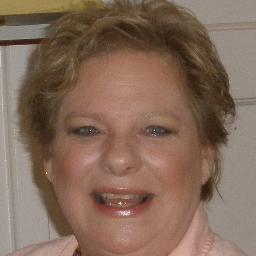
About Linda
Her style is straightforward and interactive. She uses a mix of approaches and selects techniques to match what each person needs. Sessions often include concrete strategies for managing emotions and reducing distress.
Linda draws on cognitive-behavioral ideas to help people change unhelpful thoughts and behaviors. She also uses psychodynamic perspectives to look at patterns that repeat over time. Solution-focused techniques are used to identify practical next steps and small changes that make daily life easier.
She has worked with a wide range of concerns including PTSD, anger, workplace stress, parenting challenges, mood disorders, and ADHD. The biography notes experience across ages 5 to 75, and specific attention to caregiver stress, blended family issues, and concerns that arise later in life.
Practically, Linda emphasizes teaching simple emotion regulation tools that people can use between sessions. Her approach aims to make therapy understandable and usable. People who choose to work with her will find a clinician who names problems plainly and offers step-by-step techniques.
Areas of expertise
Primary focus
Also works with
Additional focus areas
Therapeutic approaches
Experience
28+ years
Credentials
Virginia, Virginia, North Carolina
Languages
English
How her approaches guide online work
Client-Centered Therapy focuses on listening and reflecting so people can find their own solutions. It helps when someone needs to clarify feelings about retirement, loss, or change by exploring what matters to them. Cognitive Behavioral Therapy (CBT) looks at links between thoughts, feelings, and actions and teaches practical exercises to lower anxiety and lift mood. CBT can be helpful for managing worry, grief reactions, and everyday stress. Psychodynamic Therapy examines recurring patterns and past influences that shape current relationships and emotional responses, which can help when longstanding patterns affect later-life relationships.Choosing an approach is a collaborative process. The therapist will work with the person to decide which methods fit their goals and preferences, and will adjust techniques as needs change. That conversation is part of early sessions rather than a one-time decision.
The biography does not list specific online session formats, so confirm current options before booking. In general, online work can make it easier to fit sessions into a busy week, reduce travel time, allow shorter check-ins when needed, and let people use tools and worksheets between meetings. Therapists use their clinical approaches to adapt exercises and homework so they work well in remote sessions.
Frequently asked questions
What kinds of problems does she help with?
She helps with stress, anxiety, depression, relationship and family concerns, grief, addiction, and life changes. Aging and geriatric issues are listed among her focus areas.
How would you describe her therapeutic style?
Her style is interactive and down-to-earth. She mixes approaches and teaches practical techniques for managing emotions.
How much clinical experience does she have?
She has 28 years of psychotherapy experience. That experience includes work with PTSD, mood disorders, anger, and workplace stress.
What are her professional credentials and where is she based?
She is an LPC and an LCMHC, licensed in Virginia and North Carolina, and based in Virginia.
Does she offer sessions in other languages or to international clients?
Sessions are offered in English. She does not accept international clients at this time.
What session formats are available?
The biography does not specify session formats. Please confirm current session options before booking.
How are fees handled?
Cost varies with location and sessions use a subscription that can be canceled at any time.
How do I begin working with her?
Click the See online therapy options button, complete a short matching questionnaire, and schedule a first session.