
Dr. Julie McCune
LPCCOhio · 25 yrs exp
Dr. Julie McCune - LPCC, aging and relationship concerns
Stress, Anxiety · LGBT · Relationship · Self esteem · +16 more
Read profileTherapists for older adults and their families, in the US, UK and Australia
Need help now?Therapist listings are provided by BetterHelp. We will earn a commission at no extra cost to you if you use our links to buy.
This page groups professionals who list Sleeping Disorders among their specialties alongside a focus on aging and later-life concerns. Use the profiles and listed location to compare approaches, credentials, languages and experience, and browse to find practitioners who match your needs.
Ohio · 25 yrs exp
Dr. Julie McCune - LPCC, aging and relationship concerns
Stress, Anxiety · LGBT · Relationship · Self esteem · +16 more
Read profile
Florida · 14 yrs exp
LCSW - Stress and aging concerns
Stress, Anxiety · Grief · Anger · Self esteem · +12 more
Read profile
Colorado · 19 yrs exp
LCSW - Mood and later-life concerns
Stress, Anxiety · Relationship · Trauma and abuse · Grief · +12 more
Read profile
South Carolina · 16 yrs exp
Licensed Marriage and Family Therapist - Aging and relationships
Stress, Anxiety · Relationship · Family · Parenting · +14 more
Read profile
Florida · 20 yrs exp
LMHC - Addiction and later-life concerns
Stress, Anxiety · Addictions · Relationship · Self esteem · +16 more
Read profile
Louisiana · 7 yrs exp
Dr. Tanya Harrell - LPC, aging and adult concerns
Stress, Anxiety · Family · Trauma and abuse · Parenting · +15 more
Read profile
Texas · 21 yrs exp
Licensed Professional Counselor - Aging and relationship care
Stress, Anxiety · Relationship · Family · Depression · +13 more
Read profile
Florida · 25 yrs exp
LMHC - Depression and Aging concerns
Stress, Anxiety · Family · Grief · Self esteem · +12 more
Read profile
Texas · 17 yrs exp
Licensed Professional Counselor - Aging and family concerns
Stress, Anxiety · Family · Depression · Coping with life changes · +12 more
Read profile
Alabama · 20 yrs exp
Alabama LPC - later-life and relationships
Stress, Anxiety · Grief · Anger · Self esteem · +11 more
Read profile
Michigan · 21 yrs exp
LMSW - Relationships and later-life concerns
Stress, Anxiety · Relationship · Family · Bipolar · +14 more
Read profile
Texas · 21 yrs exp
LCSW - Anxiety and life changes
Stress, Anxiety · Relationship · Trauma and abuse · Intimacy-related issues · +15 more
Read profile
Louisiana · 10 yrs exp
LPC in Louisiana - Aging and caregiving focus
Stress, Anxiety · Grief · Anger · Depression · +8 more
Read profile
Montana · 16 yrs exp
LCPC - Stress and Relationship concerns
Stress, Anxiety · Relationship · Self esteem · Depression · +11 more
Read profile
Illinois · 25 yrs exp
Licensed Clinical Social Worker - Aging and life changes
Stress, Anxiety · Self esteem · Career · Coping with life changes · +10 more
Read profile
Florida · 30 yrs exp
FL Psychologist - Aging and mental health
Stress, Anxiety · Grief · Anger · Depression · +15 more
Read profile
New Jersey · 8 yrs exp
Licensed Clinical Social Worker - anxiety and aging
Stress, Anxiety · Relationship · Trauma and abuse · Bipolar · +14 more
Read profile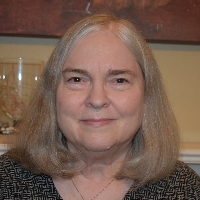
Texas · 20 yrs exp
Licensed Professional Counselor - Aging and mental health
Stress, Anxiety · Trauma and abuse · Self esteem · Depression · +12 more
Read profile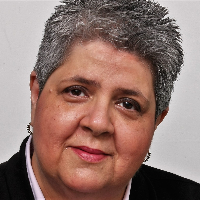
Florida · 25 yrs exp
LMHC - Depression and Aging issues
LGBT · Trauma and abuse · Grief · Bipolar · +16 more
Read profile
Pennsylvania · 6 yrs exp
Licensed Professional Counselor - Aging and relationship issues
Stress, Anxiety · LGBT · Relationship · Self esteem · +15 more
Read profile
Georgia · 25 yrs exp
Licensed social worker - aging and relationships
Stress, Anxiety · Parenting · Anger · Self esteem · +15 more
Read profile
Michigan · 20 yrs exp
LMSW helping with mood and aging concerns
Stress, Anxiety · Addictions · LGBT · Grief · +12 more
Read profile
Texas · 20 yrs exp
Licensed clinical social worker - aging and life changes
Stress, Anxiety · Addictions · Family · Grief · +15 more
Read profile
Florida · 10 yrs exp
LCSW - grief and later-life concerns
Stress, Anxiety · Trauma and abuse · Grief · Depression · +12 more
Read profileSleep changes over the decades for many people, and you may notice shifts that feel new or difficult to manage. You might experience trouble falling asleep, waking earlier than you prefer, lighter or more fragmented sleep, or persistent worry about sleep that makes it harder to rest. Life transitions that often occur in later adulthood - retirement, changes in daily structure, loss of a partner or friends, increased caregiving responsibilities, and evolving family relationships - can all affect how you sleep. Health changes and medications can play a role as well, and the emotional work of finding meaning in later life can surface at night when the day’s activities fade.
When you look for support on this page, you are likely thinking about both the practical sleep problems and the broader context around them. Therapists who list Sleeping Disorders among their focus areas may bring skills aimed at patterns of thinking and behavior around sleep, at stress and grief linked to life changes, and at ways to rebuild routine and purpose. Profiles can help you see which clinicians mention experience with retirement transitions, caregiving stress, bereavement, loneliness, or family dynamics - factors that often intersect with sleep in later life.
The directory groups profiles that include both Sleeping Disorders and aging or later-life concerns, but listing two topics does not imply a particular cause-and-effect relationship. Some therapists describe addressing sleep directly, using conversations about habits, thought patterns and daytime routines. Others may work more with emotional issues that influence sleep, including grief over loss, the stress of caregiving roles, or the search for meaning after major life changes.
As you browse, remember that profiles reflect what each practitioner chooses to highlight. A profile that mentions Sleeping Disorders and later-life concerns signals an interest in both areas, not a specific clinical credential or outcome. In the United States you will see references to professional licenses; in the United Kingdom and Australia you may see references to registration or membership with professional bodies. Academic degrees such as PhD, PsyD, MD, MA or MSW appear alongside these terms. A degree is different from a license or registration and does not by itself indicate current permission to practice.
Before reaching out from a listed location, prepare a few concrete questions that help you compare the therapeutic approaches and experience that matter to you. Ask whether the therapist has specific experience working with people in retirement or with those balancing caregiving responsibilities, and inquire about their experience addressing grief and loneliness in later life. You can ask which approaches they draw on and how those approaches have been used with sleep concerns - for example, whether they incorporate strategies focused on sleep-related thoughts and behaviors, relaxation methods, or approaches that explore emotional themes that affect sleep.
It is also helpful to ask about the typical style of sessions. Some practitioners describe a directive, skills-focused style that emphasizes practical tools you can try between sessions. Others describe a more exploratory, reflective approach that places sleep difficulties within a broader life story. You might ask whether they work with family members or caregivers when appropriate, and whether they speak languages other than English if that is important to you. When questions are specific, you can use profile summaries to compare which practitioners highlight the experience and style you prefer.
If you are considering remote sessions, make time to discuss logistical and practical considerations before you begin. Ask how the therapist manages time zones relative to your listed location and what platform they use for sessions. It is reasonable to inquire about privacy protections and how your information is handled, how they approach interruptions or emergencies, and what to do if a session is interrupted. Clarify whether they discuss work with family members and how they handle consent and record keeping for those conversations.
Because licensing and registration vary across countries, confirm whether the practitioner holds the appropriate permission to work with people in your country or state. In the US you will often see licensure designations; in the UK and Australia you may see references to registration or membership in professional bodies. Ask whether a degree listed on a profile - such as a PhD, PsyD, MD, MA or MSW - is accompanied by current licensure or registration for the jurisdiction where you live or where the practitioner’s listed location is shown. These are practical questions about fit and scope, not judgments about quality.
When you compare profiles, read beyond a single line about Sleeping Disorders. Look for descriptions that mention related areas you care about, such as retirement adjustment, caregiving stress, bereavement, family dynamics or questions of meaning in later life. Notice whether a profile names specific approaches - for example, therapists who list cognitive and behavioral methods among their approaches, those who mention mindfulness or relaxation strategies, or therapists who list EMDR among their approaches - and consider how those approaches might fit your goals. Remember that a listed approach is not proof of particular training or outcomes; it is an indicator to discuss further.
Pay attention to languages spoken and to the therapist’s stated experience with older adults or with specific life transitions. Compare credentials carefully: academic degrees like PhD, PsyD or MD describe educational background, while professional permissions to practice are described differently across regions - licensure in the US, registration or membership in the UK and Australia. In addition to credentials and focus areas, look for clues about therapeutic style in the language of a profile - whether the clinician emphasizes practical tools, emotional exploration, or support for family and caregiving contexts. If a profile mentions work with caregivers or family relationships, it may be especially relevant when sleep issues are connected to shared responsibilities and household rhythms.
Choosing a path forward often means balancing the immediate practical needs around sleep with the deeper life context that shapes how you spend your nights and days. Profiles on this page can help you identify practitioners who highlight the intersection of Sleep Disorders and later-life concerns, and they provide starting points for the conversations you should have. Make use of listed location information to understand where a practitioner operates, review languages and stated experience to see which profiles resonate, and use the questions suggested here to clarify approach, jurisdictional permissions and session logistics.
Ultimately the best match is one where you feel understood about both the sleep challenges and the life circumstances that surround them. Treat the profiles as invitations to learn more, and use the comparison cues provided to find a clinician whose focus, credentials and style fit the specific needs you want to address.
Alabama
72 therapists
Alaska
6 therapists
Arizona
64 therapists
Arkansas
44 therapists
Australia
99 therapists
California
363 therapists
Colorado
112 therapists
Connecticut
34 therapists
Delaware
8 therapists
District of Columbia
13 therapists
Florida
543 therapists
Georgia
133 therapists
Hawaii
16 therapists
Idaho
35 therapists
Illinois
173 therapists
Indiana
64 therapists
Iowa
28 therapists
Kansas
29 therapists
Kentucky
58 therapists
Louisiana
79 therapists
Maine
19 therapists
Maryland
66 therapists
Massachusetts
69 therapists
Michigan
194 therapists
Minnesota
51 therapists
Mississippi
42 therapists
Missouri
131 therapists
Montana
38 therapists
Nebraska
21 therapists
Nevada
29 therapists
New Hampshire
12 therapists
New Jersey
95 therapists
New Mexico
30 therapists
New York
227 therapists
North Carolina
186 therapists
North Dakota
6 therapists
Ohio
126 therapists
Oklahoma
73 therapists
Oregon
36 therapists
Pennsylvania
159 therapists
Rhode Island
7 therapists
South Carolina
84 therapists
South Dakota
7 therapists
Tennessee
74 therapists
Texas
422 therapists
United Kingdom
835 therapists
Utah
20 therapists
Vermont
10 therapists
Virginia
84 therapists
Washington
51 therapists
West Virginia
18 therapists
Wisconsin
87 therapists
Wyoming
14 therapists