
Velma Jones
LCSWNew York · 29 yrs exp
Velma Jones LCSW - Relationships and Mood
Stress, Anxiety · Relationship · Trauma and abuse · Depression · +10 more
Read profileTherapists for older adults and their families, in the US, UK and Australia
Need help now?Therapist listings are provided by BetterHelp. We will earn a commission at no extra cost to you if you use our links to buy.
Compare profiles to learn how therapists describe their focus areas, therapeutic approaches, credentials, languages, and listed location. Browse the listings below to find profiles that align with the work-and-life concerns you or a loved one are facing.
New York · 29 yrs exp
Velma Jones LCSW - Relationships and Mood
Stress, Anxiety · Relationship · Trauma and abuse · Depression · +10 more
Read profile
Ohio · 25 yrs exp
Dr. Julie McCune - LPCC, aging and relationship concerns
Stress, Anxiety · LGBT · Relationship · Self esteem · +16 more
Read profile
Florida · 14 yrs exp
LCSW - Stress and aging concerns
Stress, Anxiety · Grief · Anger · Self esteem · +12 more
Read profile
Michigan · 25 yrs exp
Licensed Professional Counselor - Aging and relationships
Stress, Anxiety · LGBT · Relationship · Grief · +10 more
Read profile
Illinois · 17 yrs exp
LCSW in Illinois - Trauma and life changes
Trauma and abuse · Coping with life changes · Stress, Anxiety · Relationship · +9 more
Read profile
Colorado · 19 yrs exp
LCSW - Mood and later-life concerns
Stress, Anxiety · Relationship · Trauma and abuse · Grief · +12 more
Read profile
South Carolina · 16 yrs exp
Licensed Marriage and Family Therapist - Aging and relationships
Stress, Anxiety · Relationship · Family · Parenting · +14 more
Read profile
Florida · 20 yrs exp
LMHC - Addiction and later-life concerns
Stress, Anxiety · Addictions · Relationship · Self esteem · +16 more
Read profile
Florida · 23 yrs exp
LICSW LCSW - LGBT and intimacy concerns
LGBT · Intimacy-related issues
Read profile
Massachusetts · 23 yrs exp
LMHC - Relationships and Later-Life Concerns
Addictions · LGBT · Relationship · Intimacy-related issues · +12 more
Read profile
Louisiana · 7 yrs exp
Dr. Tanya Harrell - LPC, aging and adult concerns
Stress, Anxiety · Family · Trauma and abuse · Parenting · +15 more
Read profile
Texas · 12 yrs exp
LMFT - Relationships and later-life concerns
Stress, Anxiety · Addictions · Relationship · Grief · +11 more
Read profile
Texas · 21 yrs exp
Licensed Professional Counselor - Aging and relationship care
Stress, Anxiety · Relationship · Family · Depression · +13 more
Read profile
Maryland · 6 yrs exp
Licensed Clinical Professional Counselor - Aging and relationships
Stress, Anxiety · Trauma and abuse · Self esteem · Coping with life changes · +10 more
Read profile
Texas · 22 yrs exp
Licensed Professional Counselor - Aging and life changes
Stress, Anxiety · Grief · Career · Depression · +9 more
Read profile
Illinois · 20 yrs exp
Licensed Clinical Professional Counselor - anxiety and aging issues
Stress, Anxiety · LGBT · Anger · Self esteem · +12 more
Read profile
Missouri · 16 yrs exp
LCSW - Mood, trauma and aging concerns
Stress, Anxiety · Trauma and abuse · Self esteem · Bipolar · +12 more
Read profile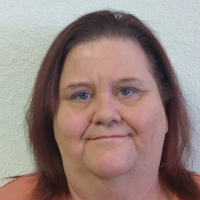
Texas · 9 yrs exp
Licensed Professional Counselor - Aging and relationships
Stress, Anxiety · Trauma and abuse · Grief · Depression · +12 more
Read profile
Texas · 10 yrs exp
Licensed Professional Counselor - Aging and relationship concerns
Stress, Anxiety · Relationship · Family · Depression · +14 more
Read profile
Ohio · 33 yrs exp
LPCC in Ohio - Aging and life changes related care
Stress, Anxiety · Family · Trauma and abuse · Self esteem · +12 more
Read profile
Illinois · 10 yrs exp
Illinois LCPC - Relationships and Life Changes
Stress, Anxiety · LGBT · Relationship · Trauma and abuse · +10 more
Read profile
Arizona · 20 yrs exp
Arizona psychologist - aging and life changes
Stress, Anxiety · Addictions · Grief · Self esteem · +14 more
Read profile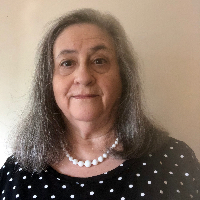
Mississippi · 23 yrs exp
Licensed Clinical Social Worker - Aging and life changes
Stress, Anxiety · Grief · Anger · Self esteem · +8 more
Read profile
Georgia · 18 yrs exp
LPC counselor - relationships and aging issues
Stress, Anxiety · Relationship · Family · Trauma and abuse · +10 more
Read profileWork and retirement are not simply financial or scheduling matters - they are central to identity, purpose, and daily rhythm for many people. As you move through later-life transitions you may be weighing retirement timing, navigating phased work, returning to part-time roles, or managing changes in how others perceive your role at work. Health changes, caregiving responsibilities for a spouse or adult child, the death of a colleague, or caregiving-related job adjustments can all shape your experience in the workplace. You might find loneliness if work provided much of your social contact, or you may be searching for new sources of meaning after leaving a long career. Family relationships can shift when retirement brings more time together, and those shifts sometimes lead to tension or renewed appreciation.
When you look for help with workplace issues in later life, you are often seeking more than tactical career advice. You may want support with grief about lost roles, clarity about boundaries between paid work and caregiving, or strategies for coping with age-related discrimination and changing expectations. Therapists who list Workplace Issues among their focus areas can offer a space to explore these emotional and relational dimensions as you consider practical steps.
This page groups profiles that list Workplace Issues as a specialty or additional focus area. Many profiles that address workplace matters also list aging and later-life concerns among their focus areas, so you will often see overlap on a profile. That overlap does not establish a causal link between work problems and aging, but it can indicate practitioners who pay attention to the way career transitions interact with retirement planning, caregiving roles, or health changes.
Because the directory includes professionals who practice in the United States, the United Kingdom, and Australia, you will find a range of credentials and regulatory language on profiles. Academic degrees such as PhD, PsyD, MD, MA, and MSW may appear alongside references to professional registration or licensing. Note that a degree alone does not confirm current permission to practice in any jurisdiction. In the United States, descriptions commonly reference state licenses for psychologists, social workers, counselors, or marriage and family therapists. In the United Kingdom and Australia, profiles may refer to registration or membership with national bodies or professional associations rather than a state license. If the distinctions matter to you, comparing how a therapist lists their credentials and registration or membership information on their profile can help you ask informed questions.
When you contact a therapist whose profile looks promising, having a set of specific questions can help you compare style and fit. You might ask how they typically work with people facing retirement transitions - whether they focus on meaning-making, restructuring daily life, or addressing practical concerns. If caregiving is part of your situation, ask about their experience supporting people balancing paid work and caregiving duties, and whether they have worked with families where roles have shifted. To explore grief and loss, inquire how they approach the emotional aspects of leaving a long career or losing a colleague.
As you talk about therapeutic approach, frame it as options to consider. You can ask whether they often use cognitive-behavioral techniques, narrative approaches, acceptance-based work, psychodynamic perspectives, or whether they describe using experiential or interpersonal methods. If you are curious about particular modalities, ask directly and phrase it this way: therapists who list EMDR among their approaches may mention it on their profile, but you should ask how and when they use that work. Also ask about the kinds of goals other clients set when they come with workplace-related concerns, and what a typical early session focuses on in their practice. These concrete questions will give you a clearer sense of how they might work with the specific mix of retirement, family dynamics, health changes, or workplace stress that you bring.
If you plan to work remotely, there are practical topics worth discussing before sessions begin. Talk about how sessions will be delivered - whether by video, phone, or a blended model - and what technology you will be expected to use. Clarify the time zone you will be connecting from if the therapist lists a different region in their listed location, and ask about the process if a session needs to be rescheduled. Privacy and record-keeping are important considerations; ask what privacy protections are in place for electronic communication and how notes are kept. You can also ask about emergency planning - how the therapist handles situations where you might need urgent help and what local resources they recommend in your area.
Because regulatory rules vary between countries and sometimes across states, it is helpful to ask whether the therapist is registered or licensed to provide care across the place where you are located. Profiles often show degrees and registration or membership details, but you should ask directly how that applies to therapy delivered to you in your jurisdiction. Also discuss accessibility needs, language preferences, and whether the therapist has experience working with older adults, adult children supporting parents, or with the particular workplace issues you face. This preparatory conversation helps set expectations and safeguard the practical aspects of remote work together.
Use profiles on SeniorsTherapists.org to compare the elements that matter most to your situation. Look at the focus areas listed to see whether Workplace Issues appears alongside retirement, caregiving, grief, loneliness, or family relationship work. Consider whether the therapist names specific populations - for example, older adults, adult children, or family caregivers - and whether that matches your needs. Check the languages indicated on profiles if you prefer to speak in a language other than English, and weigh how language and cultural familiarity might influence communication about work and family expectations.
Examine the credentials section carefully and distinguish between academic degrees and regulatory permissions. A PhD or PsyD indicates an academic doctorate, while an MSW or MA describes a social work or master level degree. Look for statements about registration or licensing in a given country or state to understand the legal context for practice. Read how therapists describe their style and the issues they address in narrative form on their profiles to get a sense of whether they emphasize practical coping strategies, deeper exploration of meaning and identity, or relational work with family members. Remember that a listed focus area does not confirm that a therapist treats couples or families, so if that matters to you, raise it in your initial conversation.
Finally, think about the personal fit. The way a therapist writes about workplace transitions, aging, and later-life meaning can reveal whether they frame these challenges in terms of loss, opportunity, role change, or relationship repair. If you want someone who emphasizes planning and structure, look for language that mentions goal-setting and problem-solving. If you want space to explore emotions around leaving a career or grieving a role, look for profiles that speak to grief, meaning, or identity. Use the profile details to form direct, specific questions when you reach out so you can decide which therapist you want to explore further.
Alabama
72 therapists
Alaska
6 therapists
Arizona
64 therapists
Arkansas
44 therapists
Australia
99 therapists
California
363 therapists
Colorado
112 therapists
Connecticut
34 therapists
Delaware
8 therapists
District of Columbia
13 therapists
Florida
543 therapists
Georgia
133 therapists
Hawaii
16 therapists
Idaho
35 therapists
Illinois
173 therapists
Indiana
64 therapists
Iowa
28 therapists
Kansas
29 therapists
Kentucky
58 therapists
Louisiana
79 therapists
Maine
19 therapists
Maryland
66 therapists
Massachusetts
69 therapists
Michigan
194 therapists
Minnesota
51 therapists
Mississippi
42 therapists
Missouri
131 therapists
Montana
38 therapists
Nebraska
21 therapists
Nevada
29 therapists
New Hampshire
12 therapists
New Jersey
95 therapists
New Mexico
30 therapists
New York
227 therapists
North Carolina
186 therapists
North Dakota
6 therapists
Ohio
126 therapists
Oklahoma
73 therapists
Oregon
36 therapists
Pennsylvania
159 therapists
Rhode Island
7 therapists
South Carolina
84 therapists
South Dakota
7 therapists
Tennessee
74 therapists
Texas
422 therapists
United Kingdom
835 therapists
Utah
20 therapists
Vermont
10 therapists
Virginia
84 therapists
Washington
51 therapists
West Virginia
18 therapists
Wisconsin
87 therapists
Wyoming
14 therapists