- Anxiety and depression
- Caregiver stress
- Attachment work
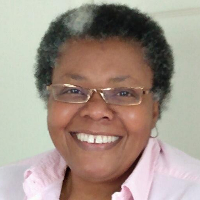
About Cherie
Cherie uses practical, evidence-informed methods to help people manage symptoms and make clearer decisions. She draws from cognitive behavioral techniques to address unhelpful thinking patterns. She also uses acceptance and commitment ideas to help people clarify values and take actions that matter to them.
Attachment-based work is used when relationship patterns and family of origin issues affect current life. Dialectical behavior strategies support emotion regulation and coping during crisis or intense states. Client-centered methods shape sessions so a person's concerns and goals guide the pace and focus.
Sessions look at concrete problems such as coping with life changes, career stress, substance use, compassion fatigue, and intimacy-related struggles. Cherie helps with boundary setting, communication skills, and managing caregiver strain. She also addresses first responder issues and co-morbid conditions where mood and addiction overlap.
People who want a straightforward approach that connects practical skills with personal values may find her style useful. She works in English and with adults in Virginia. To begin, readers should follow the site's sign-up flow to see online therapy options and schedule an initial meeting.
Areas of expertise
Primary focus
Also works with
Additional focus areas
Therapeutic approaches
Experience
9+ years
Credentials
Virginia
Languages
English
How her approaches translate to online sessions
Acceptance and Commitment Therapy (ACT) helps people name what matters to them, accept difficult feelings, and take small steps toward chosen goals. It is useful for anxiety, depression, and coping with life transitions. Cognitive Behavioral Therapy (CBT) focuses on spotting and changing unhelpful thoughts and behavior patterns to reduce symptoms and improve daily functioning. It is commonly used for anxiety, mood concerns, and stress management. Attachment-Based Therapy looks at how early relationship patterns affect current connections and helps people change how they relate to others.Finding the right approach is part of the work. She will collaborate with each person to decide which methods fit their needs and goals. The plan can change over time, and sessions adjust based on progress and feedback.
Confirm current session options before booking, as formats are not specified here. Online sessions can make it easier to fit therapy into a busy schedule, reduce travel time, and allow shorter check-ins when needed. They also let people use quieter surroundings or avoid being on camera when that helps them focus. For next steps, use the site's sign-up flow to view available options and schedule an initial appointment.
Frequently asked questions
What concerns does she address related to later life?
She works with issues often seen in later life such as caregiver stress, aging and geriatric issues, grief, and coping with life changes.
What is her general therapeutic style?
She uses practical, evidence-informed approaches. Sessions combine cognitive behavioral techniques, acceptance and commitment ideas, and client-centered listening.
How much experience does she have?
She has nine years of experience providing counseling in Virginia.
What are her credentials and where does she practice?
She is a Licensed Professional Counselor (LPC) practicing in Virginia.
Can sessions be conducted in other languages?
Sessions are offered in English.
Are international clients accepted?
International clients are not currently accepted.
How does payment work?
Cost varies with location and sessions use a subscription that can be canceled at any time.
How do I begin working with her?
Select the See online therapy options button, complete the short matching questionnaire, and schedule a first session.