
Velma Jones
LCSWNew York · 29 yrs exp
Velma Jones LCSW - Relationships and Mood
Stress, Anxiety · Relationship · Trauma and abuse · Depression · +10 more
Read profileTherapists for older adults and their families, in the US, UK and Australia
Need help now?Therapist listings are provided by BetterHelp. We will earn a commission at no extra cost to you if you use our links to buy.
This collection groups profiles of clinicians who list family of origin issues alongside later-life and aging concerns. Use the filters to compare focus areas, therapeutic approaches, professional credentials, languages, and listed location, then browse profiles to learn more.
Profiles include education, professional registration or licensure where provided, and the approaches therapists list. Read descriptions carefully and reach out through the contact details on individual profiles to ask about fit and scope.
New York · 29 yrs exp
Velma Jones LCSW - Relationships and Mood
Stress, Anxiety · Relationship · Trauma and abuse · Depression · +10 more
Read profile
Illinois · 17 yrs exp
LCSW in Illinois - Trauma and life changes
Trauma and abuse · Coping with life changes · Stress, Anxiety · Relationship · +9 more
Read profile
Colorado · 19 yrs exp
LCSW - Mood and later-life concerns
Stress, Anxiety · Relationship · Trauma and abuse · Grief · +12 more
Read profile
South Carolina · 16 yrs exp
Licensed Marriage and Family Therapist - Aging and relationships
Stress, Anxiety · Relationship · Family · Parenting · +14 more
Read profile
Florida · 20 yrs exp
LMHC - Addiction and later-life concerns
Stress, Anxiety · Addictions · Relationship · Self esteem · +16 more
Read profile
Florida · 23 yrs exp
LICSW LCSW - LGBT and intimacy concerns
LGBT · Intimacy-related issues
Read profile
Massachusetts · 23 yrs exp
LMHC - Relationships and Later-Life Concerns
Addictions · LGBT · Relationship · Intimacy-related issues · +12 more
Read profile
Mississippi · 16 yrs exp
Licensed Professional Counselor - Relationships and Later-life concerns
Stress, Anxiety · Relationship · Family · Parenting · +6 more
Read profile
Louisiana · 7 yrs exp
Dr. Tanya Harrell - LPC, aging and adult concerns
Stress, Anxiety · Family · Trauma and abuse · Parenting · +15 more
Read profile
Texas · 12 yrs exp
LMFT - Relationships and later-life concerns
Stress, Anxiety · Addictions · Relationship · Grief · +11 more
Read profile
Texas · 22 yrs exp
Licensed Professional Counselor - Aging and life changes
Stress, Anxiety · Grief · Career · Depression · +9 more
Read profile
Texas · 17 yrs exp
Licensed Professional Counselor - Aging and family concerns
Stress, Anxiety · Family · Depression · Coping with life changes · +12 more
Read profile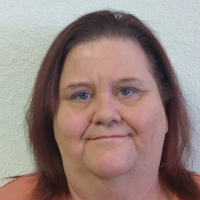
Texas · 9 yrs exp
Licensed Professional Counselor - Aging and relationships
Stress, Anxiety · Trauma and abuse · Grief · Depression · +12 more
Read profile
Michigan · 15 yrs exp
Licensed Professional Counselor - Relationships and Life Changes
Stress, Anxiety · Relationship · Grief · Self esteem · +7 more
Read profile
Alabama · 20 yrs exp
Alabama LPC - later-life and relationships
Stress, Anxiety · Grief · Anger · Self esteem · +11 more
Read profile
Texas · 10 yrs exp
Licensed Professional Counselor - Aging and relationship concerns
Stress, Anxiety · Relationship · Family · Depression · +14 more
Read profile
Ohio · 33 yrs exp
LPCC in Ohio - Aging and life changes related care
Stress, Anxiety · Family · Trauma and abuse · Self esteem · +12 more
Read profile
Illinois · 10 yrs exp
Illinois LCPC - Relationships and Life Changes
Stress, Anxiety · LGBT · Relationship · Trauma and abuse · +10 more
Read profile
Arizona · 20 yrs exp
Arizona psychologist - aging and life changes
Stress, Anxiety · Addictions · Grief · Self esteem · +14 more
Read profile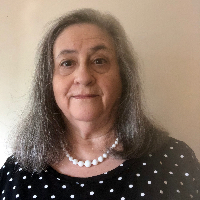
Mississippi · 23 yrs exp
Licensed Clinical Social Worker - Aging and life changes
Stress, Anxiety · Grief · Anger · Self esteem · +8 more
Read profile
Georgia · 18 yrs exp
LPC counselor - relationships and aging issues
Stress, Anxiety · Relationship · Family · Trauma and abuse · +10 more
Read profile
South Carolina · 36 yrs exp
LISW-CP - aging issues and mood disorders
Stress, Anxiety · Addictions · Family · Trauma and abuse · +3 more
Read profile
Texas · 20 yrs exp
Licensed Professional Counselor - Aging and life changes
Family · Grief · Parenting · Self esteem · +7 more
Read profile
Michigan · 35 yrs exp
Licensed LMSW - Aging and relationship concerns
Stress, Anxiety · Addictions · Trauma and abuse · Self esteem · +3 more
Read profileFamily patterns from childhood and early adulthood can continue to shape how you relate to others, handle role changes, and find meaning as you age. You may notice familiar dynamics when retirement shifts daily routines, when caregiving responsibilities change family roles, or when loss and illness prompt reflection about earlier relationships. Addressing those long-standing patterns can help you make clearer decisions, set boundaries, and reconnect with values that matter at this stage of life. If you are an adult child supporting a parent, exploring family of origin themes can clarify why certain disagreements recur and what might change with different conversation strategies. This page highlights profiles of clinicians who list family of origin issues together with aging and later-life concerns so you can find someone whose interests align with your situation.
It is important to understand that a listed focus area does not by itself indicate a particular therapeutic specialty or a guarantee of experience with every later-life challenge. Profiles describe the topics therapists note in their practice, and you should discuss the relevance of those topics to your goals when you contact a clinician. Many people find that working with someone who understands both family history and the emotional landscape of later life makes it easier to address relational patterns while navigating practical and emotional transitions.
Retirement, health changes, bereavement, and changing caregiving roles often trigger memories and feelings tied to your family of origin. You may find that unresolved tensions resurface when you or a family member moves into a caregiving role, or when a retirement decision prompts you to evaluate long-standing expectations about independence and obligation. Loneliness and shifts in social networks can also activate desires for approval or connection rooted in early family experiences. Addressing those roots can make it easier to name what you need now - whether that means negotiating boundaries with siblings, revisiting long-held resentments, or exploring ways to create meaningful daily life after a big transition.
If you are supporting an older relative, family history often colors communication and coordination. Past patterns about who speaks for whom, who makes decisions, and how emotions are expressed can complicate planning conversations. Discussing these patterns with a clinician who lists both family of origin issues and later-life concerns can help you frame questions for family meetings and identify communication strategies that fit the personalities involved. That said, a listed focus area should be a starting point for conversation rather than an assumption about what will be helpful in every situation.
When you review profiles, you may want to prepare specific questions that help you compare clinicians on matters that matter to you. Ask how a therapist describes their experience working with people who have similar combinations of concerns - for example, someone navigating retirement while dealing with long-standing family conflict, or a family managing caregiving decisions alongside unresolved childhood issues. Ask which approaches the clinician lists among their methods and follow up by asking how those approaches tend to be applied to later-life concerns. For example, you might ask how therapists who list narrative approaches use life history to inform present choices, or how those who list relational methods work with family patterns in later life.
Be clear about credentials in a way that fits your region. In the United States, clinicians may hold professional licenses such as those for clinical social work, counseling, or psychology, while in the United Kingdom and Australia clinicians may be registered or hold membership in professional bodies. Degrees such as PhD, PsyD, MD, MA, and MSW describe academic preparation but do not alone indicate current permission to practice. Profiles often include both educational background and the type of registration or licensure that someone has in their listed location. If registration or licensure is important to you, ask how a clinician’s current credential applies to your jurisdiction and whether they maintain professional membership or registration relevant to their work with older adults and family issues.
If you are considering remote or telehealth sessions, raise practical questions up front so you understand how the clinician approaches remote work. Ask what platforms they use and how they handle technical interruptions and rescheduling. Clarify how session notes, communication between sessions, and emergency contacts are managed, and ask whether they have a plan for handling urgent concerns in your area if you are in a different location from their listed location. Discuss what you are hoping to address - for instance, managing family conflict during a care transition, grieving the loss of a partner while processing family history, or preparing for a difficult conversation with a sibling - so the clinician can describe how they typically structure work that combines family of origin exploration with later-life planning.
It can also be helpful to talk about practical preferences, such as session length and frequency, whether they incorporate family members into some sessions, and how they approach joint sessions compared with individual work. If language access matters, ask about languages the clinician lists on their profile and whether interpretation or multilingual resources are available. Those questions help you determine fit before you start and make it easier to set goals that feel realistic for this phase of life.
As you scan profiles, look for clear descriptions of the issues clinicians list alongside family of origin concerns - such as retirement transition, caregiving stress, bereavement, loneliness, or role changes. Consider whether a clinician emphasizes relational patterns, life review and meaning, or practical coping strategies, and imagine which emphasis would best match your needs. For concrete comparisons, ask whether they have experience supporting clients through decisions about caregiving arrangements, mediating sibling conversations, or planning for life after retirement. Compare the languages listed on profiles if you prefer therapy in a language other than English, and note the listed location to understand time zone and jurisdictional context for registration or licensure questions.
When evaluating therapeutic style, read how clinicians describe their approach and look for phrases that resonate with you - whether you want a more exploratory conversation about life story and meaning, or a focus on concrete communication skills for family interactions. Remember that profiles often list approaches that clinicians use, so you can ask how those approaches might be applied to your specific concerns. Finally, pay attention to how clinicians present boundaries around the scope of their work. Profiles may indicate whether therapists work with individuals only, or whether they also offer family sessions, which can help you plan whether to involve relatives in some conversations. Use these comparisons to prioritize a few profiles to contact, and be ready to describe your goals so you can assess fit in an initial conversation.
Alabama
72 therapists
Alaska
6 therapists
Arizona
64 therapists
Arkansas
44 therapists
Australia
99 therapists
California
363 therapists
Colorado
112 therapists
Connecticut
34 therapists
Delaware
8 therapists
District of Columbia
13 therapists
Florida
543 therapists
Georgia
133 therapists
Hawaii
16 therapists
Idaho
35 therapists
Illinois
173 therapists
Indiana
64 therapists
Iowa
28 therapists
Kansas
29 therapists
Kentucky
58 therapists
Louisiana
79 therapists
Maine
19 therapists
Maryland
66 therapists
Massachusetts
69 therapists
Michigan
194 therapists
Minnesota
51 therapists
Mississippi
42 therapists
Missouri
131 therapists
Montana
38 therapists
Nebraska
21 therapists
Nevada
29 therapists
New Hampshire
12 therapists
New Jersey
95 therapists
New Mexico
30 therapists
New York
227 therapists
North Carolina
186 therapists
North Dakota
6 therapists
Ohio
126 therapists
Oklahoma
73 therapists
Oregon
36 therapists
Pennsylvania
159 therapists
Rhode Island
7 therapists
South Carolina
84 therapists
South Dakota
7 therapists
Tennessee
74 therapists
Texas
422 therapists
United Kingdom
835 therapists
Utah
20 therapists
Vermont
10 therapists
Virginia
84 therapists
Washington
51 therapists
West Virginia
18 therapists
Wisconsin
87 therapists
Wyoming
14 therapists