- Mood disorders
- Addictions
- Aging issues
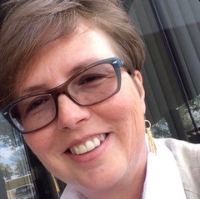
About Cynthia
She has worked in hospitals, outpatient clinics, homeless outreach, and rural settings. That background means she is familiar with a range of practical problems, from substance use to chronic illness and the paperwork that can come with later-life planning. Cynthia has supported veterans and LGBTQ people in prior roles.
Her approach draws on client-centered principles and goal-focused methods. Sessions involve listening, reflecting, and helping people try specific steps that can ease anxiety, manage mood, or reduce substance-related harm. She uses techniques from cognitive behavioral therapy and motivational interviewing when they fit the situation.
Cynthia is used to working with adults who need help sorting out caregiving burdens, guardianship questions, or advance directive concerns. She also works with people coping with trauma, attachment difficulties, and intimacy-related problems. Her practice pays attention to everyday tasks, relationships, and the routines that affect wellbeing.
People who choose Cynthia can expect conversational, practical sessions that emphasize collaboration. She helps identify short-term goals and ways to practice skills between meetings. To begin, the usual next step is a brief intake and scheduling of an initial session.
Areas of expertise
Primary focus
Also works with
Additional focus areas
Therapeutic approaches
Experience
20+ years
Credentials
Michigan
Languages
English
How Cynthia uses evidence-based approaches online
Client-centered therapy focuses on listening and responding to what matters most to the person. The therapist reflects concerns, helps clarify priorities, and supports the person's own problem solving. Cognitive behavioral therapy (CBT) looks at patterns of thought and behavior that keep problems going and offers concrete exercises to change them. CBT is often used for anxiety, depression, sleep and mood concerns. Motivational interviewing is a short, goal-focused style that helps people weigh pros and cons and find motivation to change behaviors such as substance use or health routines.Choosing the right approach is part of the work. Cynthia will discuss goals and preferences, and together they will decide which methods to try first. That collaborative process may shift as progress is tracked and new priorities emerge.
Session formats are not listed in the biography, so please confirm current online options before booking. Many people find online work helps fit therapy into busy days, makes follow-up easier after appointments, or allows shorter check-ins when needed. Online sessions can also let someone continue care while traveling or living in a different state or country. Ask about available formats when you schedule to pick what best fits your daily routine.
Frequently asked questions
What concerns does she address?
She works with stress, anxiety, depression, bipolar disorder, grief, addictions, trauma, relationship and intimacy issues, and aging and geriatric issues among other areas.
What is her therapy style?
Her style is client-centered and interactive, using practical steps and collaborative planning to address immediate problems and longer term goals.
How much clinical experience does she have?
She has 20 years of experience working in hospitals, outpatient clinics, homeless outreach, and rural settings with varied populations.
What are her credentials and where is she based?
She holds the LMSW credential and practices from Michigan.
Can I work with her if I live outside the United States?
She accepts international clients and conducts sessions in English.
What session formats are offered?
Session formats are not specified here; please confirm the current session options before booking.
How much do sessions cost?
Cost varies with location and sessions use a subscription that can be canceled at any time.
How do I start working with her?
Click the See online therapy options button, complete the short matching questionnaire, and schedule a first session.