- Cognitive Behavioral Therapy
- Gottman Method for couples
- Aging and caregiver issues
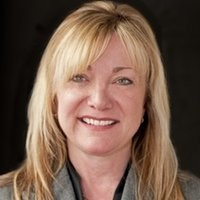
About Audrey
She uses straightforward conversation and practical techniques in sessions. Dr. Berdeski combines cognitive-behavioral, existential, psychodynamic, Gottman, mindfulness, and solution-focused ideas to shape treatment. That means she may look at thoughts and behavior patterns, the meanings people give to life events, relationship dynamics, and present-focused solutions.
Sessions often include problem-solving, skills practice, and conversational reflection. She aims to help people manage symptoms, clarify values, and improve communication. Coaching elements are included when appropriate to address goals and everyday tasks.
Dr. Berdeski also notes experience supporting people who have survived physical trauma or emotional abuse, and she works with clients concerned about caregiving stress, family conflict, midlife transitions, and money or retirement related worries. She mentions interests such as manifesting for abundance and energy work as personal areas of experience.
Appointments are scheduled within her stated hours and she uses messaging between sessions, which she checks regularly. Prospective clients should follow the site process to complete a short matching questionnaire and schedule an initial session.
Areas of expertise
Primary focus
Also works with
Additional focus areas
Therapeutic approaches
Experience
15+ years
Credentials
Michigan
Languages
English
Approaches used in online sessions
Dr. Berdeski uses Cognitive Behavioral Therapy and Mindfulness Therapy among other approaches. CBT focuses on identifying unhelpful thoughts and testing them with practical experiments. It is often used for anxiety, depression, and coping with life changes. Mindfulness Therapy teaches simple attention and breathing practices to reduce stress and increase present moment awareness, useful for managing worry and grief.Finding the right approach is part of the work together. The therapist and client discuss goals, preferences, and what feels helpful. That collaborative process guides whether sessions emphasize thought work, relationship skills, or present-focused practices.
Confirm current session options before booking, as formats are not specified in the provided biography. Online sessions can make it easier to fit therapy into a busy week, reduce travel, and allow shorter check-ins when needed. Some people find phone sessions easier when video would be difficult, while others prefer a face-to-face video conversation for learning new skills or working through relationship topics. Ask about available formats during the matching and scheduling steps so sessions match daily routines and goals.
Frequently asked questions
What concerns does she address?
She works with stress, anxiety, depression, relationship problems, grief, self-esteem, trauma and abuse, bipolar disorder, and coping with life changes, among other concerns.
What is her therapeutic style?
Her style is interactive and conversational, using practical techniques from cognitive-behavioral, existential, psychodynamic, mindfulness, Gottman, and solution-focused approaches.
How much experience does she have?
She has 15 years of experience in counseling and previously practiced as a Doctor of Chiropractic before becoming an LPC.
What credential and location apply?
She is a Licensed Professional Counselor (LPC) practicing in Michigan.
Which languages are supported?
Sessions are offered in English.
Does she work with international clients?
International clients are not currently accepted.
How are sessions paid for?
Cost varies with location; sessions use a subscription that can be canceled at any time.
How do I begin working with her?
Use the See online therapy options button, complete a short matching questionnaire, and schedule a first session.