- Attachment based work
- CBT and DBT methods
- Creative expressive techniques
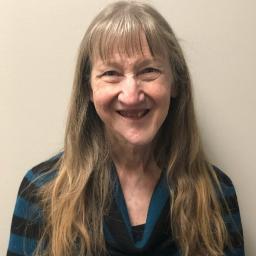
About Karen
Her style mixes practical talk with creative methods. She uses talk therapy alongside imagery, music, art, guided meditations, movement, rituals, and attention to sleep and nutrition. Evidence-based methods such as cognitive behavioral therapy, dialectical behavior therapy, attachment-based work, and EMDR are part of her toolbox.
Karen describes a strengths-based approach that pays attention to both mind and body. She draws on earlier experience as an LPN and additional coursework in natural and alternative healing and health coaching. That background shapes how she links food, mood, lifestyle, and mental health in sessions.
She often shares educational resources and suggests exercises clients can try between meetings. Her work includes attention to attachment patterns, abandonment issues, communication problems, and caregiver stress. She notes experience with concerns such as chronic pain, cancer, and forgiveness.
Karen identifies as LGBTQIA2S+ and neurodivergent and states an affirming stance toward diverse sexual and relationship identities. She aims to help people find practical ways to notice limiting beliefs and try different strategies that may fit their life.
Areas of expertise
Also works with
Additional focus areas
Therapeutic approaches
Experience
30+ years
Credentials
Kansas, Washington, Missouri, Montana, Idaho, Oregon
Languages
English
How her therapeutic approaches translate to online work
Attachment-Based Therapy focuses on how early relationships shape how a person connects and responds to others. Online sessions using attachment work often include talking through relationship patterns, identifying triggers, and practicing new ways of relating that can reduce conflict and isolation.Cognitive Behavioral Therapy, or CBT, looks at links between thoughts, feelings, and actions. In remote sessions CBT usually involves learning skills to recognize unhelpful thinking, try new behaviors between meetings, and track progress with brief exercises and homework.
Finding the right approach is treated as a collaborative process. The therapist and client review concerns, goals, and preferences and then try methods that make sense together. Adjustments are made over time so the work fits the person rather than forcing a single method.
The biography does not list specific session formats, so confirm current options before booking. In general, online work can make it easier to fit therapy into a busy day, reduce travel time, and allow brief check-ins when needed. Some methods like CBT lend themselves to shorter focused sessions and homework; approaches that use imagery or EMDR-style processing can also be adapted for remote work when agreed on by therapist and client. Ask about how a particular technique would be handled online when you schedule the first meeting.
Frequently asked questions
What kinds of concerns does she address?
She works with stress, anxiety, grief, depression, relationship and intimacy issues, trauma and abuse, caregiver stress, aging and geriatric issues, and many related areas listed in her specialties.
What is her therapeutic style like?
She uses a strengths-based, whole-person approach combining talk therapy with creative methods such as imagery, music, art, movement, and guided meditations alongside evidence-based techniques.
How long has she practiced?
She has 30 years of clinical experience working with adult clients.
Where is she based and what credentials does she hold?
She is located in Montana and holds the credential LCSW with Oregon LCSW and Missouri LCSW listed.
Does she offer sessions in other languages or to international clients?
Sessions are offered in English and she does not accept international clients at this time.
What session formats are offered?
The original biography does not specify session formats; please confirm current session options before booking.
How does payment or cost work?
Cost varies with location and sessions use a subscription model that can be canceled at any time.
How do I begin working with her?
Start by selecting the See online therapy options button, complete the short matching questionnaire, and then schedule a first session.