- Person-centered methods
- Cognitive behavioral tools
- Mindfulness practice
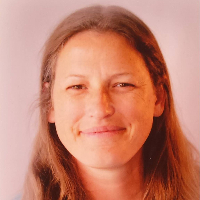
About Tammi
Tammi takes a person-centered approach, matching methods to each person instead of sticking to one theory. She often uses cognitive behavioral techniques to identify and change unhelpful thinking and behavior. Motivational interviewing helps when someone feels stuck or unsure about change, and mindfulness techniques support managing strong emotions and stress.
Her background includes a bachelor’s degree in Counseling and Crisis Trauma and a master’s degree in Professional Counseling. Tammi has experience helping people cope with attachment issues, ADHD, autism, caregiver stress, chronic illness, and adjustment after major life changes. She also supports people dealing with eating-related concerns, anger, and self-esteem problems.
In sessions she focuses on clear goals and short-term strategies alongside exploring longer-term patterns when useful. She uses conversation, practical exercises, and reflective work to help people find what fits their lives. Family dynamics, communication problems, and caregiving strain are common topics people bring.
People looking for help are asked to review online therapy options and complete a short matching questionnaire before scheduling a first session. Fees vary by location and use a subscription that can be canceled at any time. If you are considering support for later-life concerns or related stresses, Tammi offers an approach grounded in everyday tools and steady collaboration.
Areas of expertise
Primary focus
Also works with
Additional focus areas
Therapeutic approaches
Experience
3+ years
Credentials
Montana, Missouri, Iowa, Idaho
Languages
English
Therapeutic approaches and working online
Tammi commonly draws on client-centered work and cognitive behavioral therapy in sessions. Client-centered work focuses on listening and adjusting the approach to what the person brings. It helps people feel understood and guides the choices about next steps. Cognitive behavioral therapy looks at thoughts and behaviors and teaches concrete skills to reduce anxiety, manage mood, and change unhelpful patterns.She also uses mindfulness techniques to help people notice and tolerate strong feelings without being overwhelmed. Mindfulness can be useful for stress, grief, and coping with health-related changes. Choosing which approach to use is a collaborative decision made together, based on needs, goals, and what feels manageable for the person seeking help.
The therapist’s methods are practical to use in remote work, but the exact session formats are not specified here. Before booking, confirm the current session options. Online sessions can make it easier to fit therapy into a busy day, allow shorter check-ins when needed, and reduce travel time. Working this way lets people practice skills where they live and bring real-life examples to sessions for discussion.
Frequently asked questions
What kinds of concerns does she help with?
She works with stress, anxiety, grief, depression, addictions, relationship and parenting concerns, and aging and geriatric issues among other topics.
How would she approach my situation?
She uses a person-centered style and matches therapy methods to the individual. That means practical steps, reflective work, and techniques like CBT, motivational interviewing, and mindfulness when appropriate.
What is her professional background?
She holds a bachelor’s in Counseling and Crisis Trauma and a master’s in Professional Counseling, with three years of clinical experience.
Where is she licensed to practice?
She is an LPC and an LCPC licensed in Montana.
Which languages are sessions offered in?
Sessions are offered in English.
Can international clients work with her?
She does not accept international clients at this time.
How much do sessions cost?
Fees vary with location; sessions use a subscription that can be canceled at any time.
What do I need to do to begin?
Select the See online therapy options button, complete a short matching questionnaire, and schedule your first session.