- Stress and anxiety
- Addictions support
- Caregiver issues
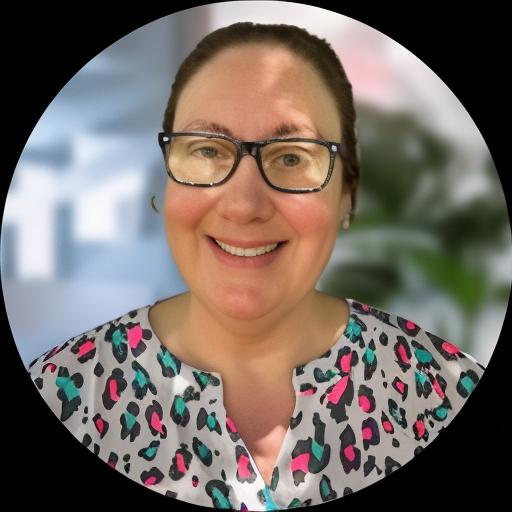
About Blythe
She helps people talk through feelings of guilt, shame, and emptiness. Sessions often address communication problems, commitment and control issues, and problems that come from family of origin or blended family situations. Blythe also supports those managing chronic pain, illness, disability, and caregiver stress.
Her work draws on evidence-based therapeutic techniques to help people build skills for daily life. She uses straightforward conversations to surface patterns and try new ways of responding. Practical coping strategies and clearer communication are common session goals.
Blythe pays attention to problems tied to substance use, codependency, and divorce or separation. She helps people looking to change unhealthy patterns, reduce overwhelming stress, or regain a sense of direction during life transitions. The focus is on small, usable steps rather than quick fixes.
People who are considering therapy are invited to think about what matters most to them before the first meeting. Blythe asks about current stresses, support systems, and any health concerns that affect mood or functioning. The information helps shape session priorities and next steps.
Areas of expertise
Additional focus areas
Experience
4+ years
Credentials
Mississippi
Languages
English
Online work with evidence-based approaches
Many clients benefit from therapies that focus on changing unhelpful thoughts and building new skills. Cognitive approaches look at patterns of thinking that increase anxiety or low mood and teach ways to test and shift those thoughts. Behaviorally focused techniques introduce small, manageable changes to daily routines to reduce avoidance and build confidence.Therapies that combine thinking and behavior methods often help with addictions, depression, chronic stress, and problems tied to caregiving or aging. Blythe will work with each person to find the mix of approaches that fits their situation, goals, and preferences. This is a collaborative process where goals and methods are revisited as needed.
Confirm the available session formats before booking, as the biography does not list specific options. Online work can make it easier to fit sessions into a busy week, shorten travel time, and allow check-ins during transition periods like retirement or health changes. Phone sessions use less bandwidth and can be a shorter option, while video sessions allow face-to-face interaction when useful. Therapists help choose the format that best matches a client's needs and daily routine.
Frequently asked questions
What problems does she address?
She works with stress, anxiety, depression, addictions, low self-esteem, and coping with life changes. Aging and geriatric issues and caregiver stress are also listed focus areas.
What is her therapeutic style?
She uses evidence-based therapeutic techniques and practical conversation to identify patterns and develop coping skills. Sessions aim for concrete strategies and clearer communication.
How long has she practiced?
She has four years of clinical experience as a Licensed Professional Counselor (LPC).
Where is she located and what credential does she hold?
She practices in Mississippi and holds the LPC credential noted as MS LPC.
Does she offer sessions in other languages?
Sessions are offered in English.
Can international clients work with her?
International clients are not currently accepted.
How are sessions paid for?
Cost varies with location; sessions use a subscription model that can be canceled at any time.
How do I begin working with her?
Select the See online therapy options button, complete a short matching questionnaire, and schedule a first session.