- Stress and anxiety
- Caregiver issues
- Aging concerns
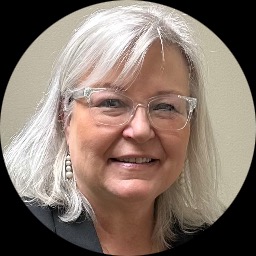
About Lisa
Her approach is straightforward and practical. She encourages people to say what is on their mind and to notice how thoughts and feelings affect daily life. Sessions are a place to talk through immediate problems and to develop manageable steps toward relief.
She helps clients address relationship and communication problems by clarifying patterns and practicing new ways of responding. For depression and anxiety she focuses on coping skills that can be used between sessions. When life changes or caregiving needs cause strain, she works with clients to prioritize needs and reduce overwhelm.
Lisa aims to reduce shame and isolation around issues like body image, codependency, and guilt. She assists people confronting divorce, loss, or the emotional impact of natural or human-caused disaster. She also supports those handling co-morbidity and complex stressors that overlap.
Practical steps are part of the work. Clients set small, measurable goals and track progress. To begin, people complete a short questionnaire and schedule a first session to see if the approach fits their needs.
Areas of expertise
Primary focus
Additional focus areas
Experience
14+ years
Credentials
Mississippi
Languages
English
How evidence-based techniques are used in online sessions
Two evidence-based techniques commonly used in this kind of work are brief skills coaching and structured problem solving. Brief skills coaching teaches concrete tools for managing anxiety or low mood, such as short breathing or grounding practices and step-by-step behavioral tasks. Structured problem solving breaks larger worries into small, testable steps to reduce overwhelm and improve decision making.Another helpful approach is communication skills training, which focuses on clear requests, active listening, and setting boundaries. This method is useful for relationship difficulties, caregiver stress, and family communication during life transitions. Each method focuses on practical changes people can try between sessions.
Finding the right approach is part of the process. The therapist will work collaboratively to match methods to a person's needs, goals, and preferences, and will adjust techniques as progress is made. This means trying approaches, reviewing what works, and shifting course when needed.
The biography does not list specific session formats, so confirm options before booking. Online sessions can make it easier to fit therapy into a busy day, reduce travel time, and allow shorter check-ins when a quick update is needed. They can also help people who are coordinating care or juggling caregiving responsibilities to keep continuity of care without long commutes.
Frequently asked questions
What kinds of concerns does she help with?
She works with stress, anxiety, relationship problems, low self-esteem, depression, and coping with life changes. Additional focus areas include aging and geriatric issues and caregiver stress.
How would you describe her therapy style?
Her style is direct and practical. Sessions focus on talking through current problems and developing actionable coping steps.
How much clinical experience does she have?
She has 14 years of professional experience working with a range of emotional and life adjustment concerns.
What are her credentials and where does she practice?
She holds the LPC credential and practices in Mississippi.
Does she work in languages other than English?
Sessions are offered in English.
What session formats are offered?
The original biography does not specify session formats. Please confirm current session options before booking.
How are sessions paid for?
Cost varies with location and sessions use a subscription that can be canceled at any time.
How do I begin working with her?
Select the See online therapy options button, complete a short matching questionnaire, and schedule a first session.