- Client-Centered Therapy
- Cognitive Behavioral Therapy
- Grief and loss support
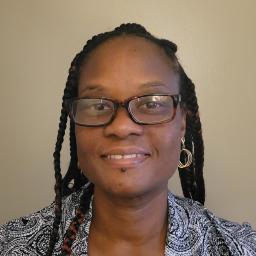
About Shashana
She focuses on practical problem solving within sessions. She listens and helps people identify small changes they can try between meetings. Sessions are framed around goals like improving sleep, managing mood, reducing anxiety, or navigating life changes such as retirement or caregiving transitions.
Her work draws on client-centered methods that prioritize the person’s perspective. Cognitive Behavioral Therapy is used to spot patterns of thinking and test new behaviors. Together these approaches are used to address things like compulsive behaviors, substance use, and anger management.
Shashana’s background includes roles in social services, probation services, and opioid maintenance settings. That experience informs her approach to addiction and trauma-related concerns. She has supported people with parenting questions, blended family issues, and career-related stress.
Sessions tend to focus on practical tools and clear next steps. People who are dealing with isolation or midlife transitions often find the focus is on reclaiming routine, restoring connections, and coping with loss. To begin, readers are asked to use the site’s matching tool and schedule a first session through the online options button.
Areas of expertise
Primary focus
Also works with
Additional focus areas
Therapeutic approaches
Experience
6+ years
Credentials
Maryland, Massachusetts
Languages
English
How her approaches are used in online sessions
Client-Centered Therapy focuses on listening to the person’s experience and prioritizing their concerns. In practice that means the therapist follows the client’s lead, reflects what is said, and helps clarify goals and next steps. This approach can help with loneliness, relationship questions, and coping with life changes.Cognitive Behavioral Therapy (CBT) looks at the links between thoughts, feelings, and actions. Sessions include identifying unhelpful thinking, testing new behaviors, and building small routines for sleep, mood, or stress management. CBT is often used for anxiety, depression, compulsions, and coping with stressful transitions.
Finding the right approach is part of the work and will be decided together. The therapist will help figure out which methods fit a person’s needs, goals, and preferences and adapt plans as progress is made.
The practical benefit of online work is fitting sessions into everyday life. Confirm the current session options before booking through the site. Online sessions can make it easier to schedule appointments around caregiving, medical visits, or work. They also allow shorter check-ins when needed, and let people choose arrangements that match their daily routine.
Frequently asked questions
What kinds of concerns does she address?
She works with stress, anxiety, depression, trauma and abuse, addictions, relationship and family issues, grief, sleep and eating concerns, ADHD, and aging and geriatric issues among others.
How would you describe her therapeutic style?
Her style uses client-centered listening and practical problem solving. Cognitive Behavioral Therapy is used to identify thought patterns and test new behaviors.
How much clinical experience does she have?
She has six years of direct therapy experience and prior work in social services, probation services, and opioid maintenance settings.
What are her credentials and where does she practice?
She holds LCSW-C and LICSW credentials and practices in Maryland.
Which languages are supported in sessions?
Sessions are offered in English.
Can she work with people outside the United States?
She is not currently accepting international clients.
How are sessions arranged and what do they cost?
Cost varies with location and sessions use a subscription that can be canceled at any time.
How do I begin a first session?
Select the See online therapy options button, complete a short matching questionnaire, and schedule a first session.