- CBT techniques
- Psychodynamic work
- Trauma-focused care
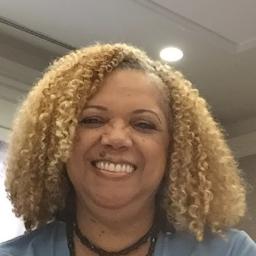
About Linda
She began her career in Boston and later continued work in Maryland, including roles in mobile crisis response and substance abuse treatment programs. In recent years she has focused on adults in addiction treatment, supporting people managing depression, panic, social anxiety, grief, and adjustment to chronic illness.
Linda uses a mix of approaches in sessions. She draws from cognitive behavioral therapy to address unhelpful thinking and behavior patterns. She also uses psychodynamic ideas to look at how past relationships affect present feelings and choices. Trauma-focused methods are part of her work with people who have experienced abuse or other traumatic events.
Her background includes a Master of Social Work from Simmons College Graduate School of Social Work and a Bachelor of Arts in African American Studies and Graphic Design from Simmons College. She emphasizes education about specific challenges so people understand what they are facing.
Clients can expect practical discussion about symptoms and coping skills, and attention to life transitions such as retirement, caregiver responsibilities, and changes in health. She also addresses family of origin issues, caregiver stress, and aging and geriatric issues when they come up in sessions.
Areas of expertise
Also works with
Additional focus areas
Therapeutic approaches
Experience
25+ years
Credentials
Maryland
Languages
English
How cognitive, psychodynamic and trauma-focused work translate online
Linda Young uses cognitive behavioral therapy to help people notice and change unhelpful thoughts and behaviors, which often involves setting practical goals and trying new ways of coping. Psychodynamic work looks at recurring patterns and how past relationships shape current feelings and choices, helping people understand why they react a certain way. Trauma-focused therapy concentrates on processing traumatic events and reducing their hold on daily life through specific, paced techniques.Choosing the right approach is part of the early work. She will talk with the client about symptoms, history, and what matters most to them, and together they will decide which methods to try first. The plan can change over time based on how things go and what the person prefers.
Confirm current session formats before booking, as options are not listed here. Online sessions can make it easier to fit therapy into a busy day, allow shorter check-ins when needed, and remove travel time to appointments. They also let people take part when health or caregiving responsibilities make leaving home harder. The focus in online work is the same as in person: clear goals, practical strategies, and regular review of progress.
Frequently asked questions
What concerns does she address?
She works with stress, anxiety, addictions, trauma and abuse, grief, depression, relationship and family problems, anger, self-esteem, career challenges, bipolar disorder, and coping with life changes.
What is her therapy style like?
She combines cognitive behavioral therapy, psychodynamic ideas, and trauma-focused techniques while educating clients about their specific concerns.
How much clinical experience does she have?
She has 25 years of experience providing psychosocial assessments and treatment in a variety of settings.
What are her credentials and location?
She is an LCSW-C licensed in Maryland and practices in that state.
Does she offer sessions in other languages?
Sessions are offered in English.
Can international clients work with her?
She does not accept international clients at this time.
How does payment or cost work?
Cost varies with location; sessions use a subscription that can be canceled at any time.
How do I begin working with her?
Use the See online therapy options button, complete the short matching questionnaire, and schedule a first session.