- Attachment-based work
- Cognitive behavioral tools
- Emotion-focused methods
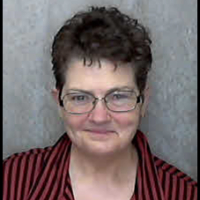
About Julie
Julie uses clear, direct conversation to help people name what they are facing. Sessions typically involve talking through current problems, looking at how past relationships affect present life, and practicing concrete skills for coping and communication. She also addresses parenting pressures, caregiver stress, and challenges that follow loss or big life transitions.
Her background includes decades of clinical practice across community and family settings. That experience informs how she balances short-term problem solving with deeper relationship work. She draws on approaches that focus on attachment, emotions, and practical behavior change.
People who turn to her often want straightforward guidance and tools they can try between sessions. She works with people dealing with addiction, eating and sleeping concerns, anger, and self-esteem problems alongside mood disorders and bipolar concerns. Julie also helps adults processing abandonment, adoption and foster care histories, and blended family issues.
Her approach is collaborative and respectful. She reviews goals with each person and adjusts interventions as needed. International clients may be accepted; confirm the session formats and scheduling options before booking.
To begin, readers are directed to the site's online therapy options and the short matching questionnaire to schedule a first appointment.
Areas of expertise
Primary focus
Also works with
Additional focus areas
Therapeutic approaches
Experience
35+ years
Credentials
Texas, Texas, Connecticut, Maryland, New Hampshire
Languages
English
How therapeutic approaches shape online work
Attachment-Based Therapy looks at how past relationships shape current reactions. It helps people understand patterns in close relationships and improve emotional connection and trust. Cognitive Behavioral Therapy, or CBT, focuses on identifying unhelpful thoughts and changing behaviors. It is useful for anxiety, depression, and stress by teaching practical coping skills.Finding the right approach is part of the work. The therapist will discuss goals, preferences, and what has or hasn’t helped before. Together they will choose or combine methods that match the person’s needs and adjust them as progress is reviewed.
The biography does not list specific session formats, so confirm available options before booking. Online sessions can make it easier to fit therapy into daily life by removing travel time and allowing shorter check-ins when schedules are tight. They can also reduce the need to be on camera if that helps someone focus, or allow sessions at times that suit caregivers and people managing health appointments. Ask about the current session formats and scheduling when you complete the matching questionnaire.
Frequently asked questions
What kinds of concerns does she address?
She works with stress, anxiety, depression, trauma and abuse, addictions, grief, relationship and family issues, and aging and geriatric issues among other topics.
How does she approach therapy?
She uses client-centered, attachment-based, emotion-focused and cognitive behavioral strategies to talk through problems and teach practical skills.
How much experience does she have?
She has 35 years of clinical experience and earned a Master of Social Work from the University of Houston in 1990.
What are her credentials and where is she based?
She holds LCSW-C and LCSW credentials and practices from Texas.
Are sessions offered in other languages or internationally?
Sessions are offered in English and international clients are accepted.
What session formats are used?
The original biography does not specify session formats; please confirm current session options before booking.
How are sessions priced?
Cost varies with location and sessions use a subscription that can be canceled at any time.
How do I get started?
Select the See online therapy options button, complete the short matching questionnaire, and schedule a first session.