- Addictions
- Grief and loss
- Caregiver stress
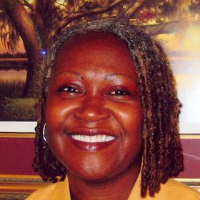
About Doris
She has spent decades working with women of color and has written books on that subject, including Even Superwoman Needs To Cry Sometimes. That background informs how she talks about culture and spirituality in sessions. Spirituality is offered as a part of care when clients want it, but it is not required.
Her style is direct and goal-focused. She asks clients to come prepared to work toward change and to use the strengths they already have. Sessions involve setting clear goals and challenging unhelpful thinking while building on what is already working in a person’s life.
She combines practical strategies with reflective conversation. Techniques come from approaches such as Acceptance and Commitment Therapy and mindfulness, along with client-centered and existential ideas. Motivational Interviewing is used to support change when addictions or ambivalence are present.
She pays attention to family roles, caregiver stress, midlife transitions, and the demands of later-life planning. The aim is to help people manage concrete problems like caregiving strain, grief, or adjusting to health and life changes, and to support practical steps forward.
Areas of expertise
Primary focus
Also works with
Additional focus areas
Therapeutic approaches
Experience
25+ years
Credentials
South Carolina
Languages
English
How therapeutic approaches translate to remote sessions
Acceptance and Commitment Therapy (ACT) helps people clarify what matters most to them and take small steps toward those values despite difficult thoughts or feelings. It tends to help with anxiety, depression, caregiver stress, and life transitions. Client-Centered Therapy focuses on listening and supporting the person’s own goals; the therapist follows the client’s lead and reflects back what matters most to them. Mindfulness Therapy teaches noticing thoughts and body experience with less reactivity, which can reduce stress and improve coping during illness or caregiving demands.Finding the right approach is part of the work together. The therapist will discuss which methods fit a person’s goals, values, and practical needs, and will adjust the plan as those needs change. Decisions about techniques come from collaboration, not from a fixed formula.
Session formats are not specified in the biography, so confirm current options before booking. Online sessions can make it easier to fit counseling into a busy day, reduce travel, or allow a shorter check-in when needed. They also let people include quiet conversation without needing an in-person visit. Ask about the available formats and scheduling when you complete the matching questionnaire.
Frequently asked questions
What concerns does she address related to aging?
She works with aging and geriatric issues including caregiver stress, hospice and end-of-life counseling, and coping with life changes.
What is her therapeutic approach like?
Her approach is direct and goal-focused, drawing on Acceptance and Commitment Therapy, client-centered methods, existential thinking, mindfulness, and Motivational Interviewing.
How much experience does she have?
She has 25 years of experience providing counseling and has written about women of color and their life challenges.
What are her credentials and where is she based?
She is a Licensed Professional Counselor (LPC) licensed in South Carolina and practices there.
Does she offer sessions in other languages?
Sessions are offered in English.
Can I have sessions online or internationally?
International clients are not currently accepted. Please confirm current session formats before booking.
How are fees handled?
Cost varies by location and sessions use a subscription model that can be canceled at any time.
How do I begin a first session?
Start by selecting the See online therapy options button, completing a short matching questionnaire, and scheduling a first session.