- Stress and anxiety
- Grief and loss
- CBT and mindfulness
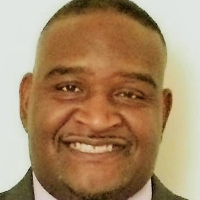
About David
He trained with a Master of Social Work and has worked with a broad range of adults, including veterans and people navigating major life changes. Sessions focus on clear, practical steps a person can use day to day. He uses straightforward conversation to identify what is most pressing and what can change now.
His style centers on listening and building on the client’s own goals. He uses client-centered methods alongside cognitive behavioral tools to spot unhelpful thinking and try different ways of coping. Mindfulness techniques are taught in small, usable exercises that fit into daily life.
David also draws on motivational interviewing to help people find the reasons they want change and to keep progress moving. That approach is useful for issues like addictions, managing caregiver stress, and coping with serious health concerns.
People who reach out will work with him on concrete plans for managing emotions, improving communication, and handling transitions such as retirement, caregiving, illness, or loss. The focus is practical work you can use between sessions, with steady review of what is helping and what needs adjusting.
Areas of expertise
Primary focus
Also works with
Additional focus areas
Therapeutic approaches
Experience
10+ years
Credentials
Georgia
Languages
English
How his methods translate to online work
David draws on client-centered therapy and cognitive behavioral therapy in session. Client-centered work focuses on listening closely and helping clients set their own goals, which works well in a conversation-based online format. CBT looks at thoughts and behaviors and teaches practical exercises to try between sessions, which can be assigned and reviewed remotely.He also uses mindfulness practices in short exercises to ground attention and reduce stress. Those exercises are simple to practice at home and to report back on during a session. Together, these approaches help with anxiety, depression, caregiver stress, and aging-related concerns by giving concrete skills to use day to day.
Finding the right mix of approaches is part of the work. The therapist will discuss goals, try methods, and adjust based on what the client finds helpful. This is a collaborative process that looks at needs, preferences, and how much time a person wants to spend on homework between meetings.
The practical benefit of remote sessions is that they can fit into everyday schedules and reduce travel time. Confirm the current session options before booking to know which formats are offered. Many people find online meetings make it easier to maintain regular appointments, complete brief check-ins, and practice tools between sessions.
Frequently asked questions
What concerns does he work with?
He helps people with stress, anxiety, depression, grief, relationship and intimacy issues, addictions, caregiver and hospice concerns, and aging and geriatric issues.
What is his therapeutic style?
He uses a client-centered approach that emphasizes listening and building on your goals, alongside CBT, mindfulness, and motivational interviewing techniques.
How long has he been practicing?
He has ten years of clinical experience working with adults in a range of settings.
What credentials and where is he based?
He holds the credentials LCSW and CSW and practices in Georgia.
Which languages are supported?
Sessions are offered in English.
Can international clients work with him?
He is not accepting international clients at this time.
How are sessions scheduled and paid?
Cost varies with location; sessions use a subscription that can be canceled at any time.
How do I begin the first appointment?
Select the See online therapy options button, complete a short matching questionnaire, and schedule a first session.