- Anxiety and depression
- Caregiver stress
- CBT and DBT methods
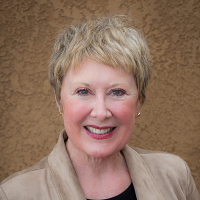
About Christine
She uses practical, evidence-based approaches in sessions. Christine draws on Cognitive Behavioral Therapy (CBT), Dialectical Behavior Therapy (DBT), Acceptance and Commitment Therapy (ACT), Attachment-Based Therapy, and client-centered methods. She explains skills clearly and helps people practice them between sessions.
Her background includes work across many settings: long-term care, hospice, inpatient and outpatient programs, schools, and community mental health. That range informs how she approaches caregiving stress, aging and geriatric issues, and challenges that come with health or role changes later in life.
In sessions she often focuses on building coping strategies, improving communication, and setting boundaries. She also addresses sleep and eating concerns, ADHD, caregiver strain, and issues around abandonment or codependency. Christine describes treatment as collaborative and skills-oriented.
Clients can expect direct discussion of goals and measurable steps. She encourages attention to mind and body practices such as mindfulness, movement, and basic nutrition. To begin she asks people to complete a short matching questionnaire and schedule an initial session.
Areas of expertise
Primary focus
Also works with
Additional focus areas
Therapeutic approaches
Experience
27+ years
Credentials
Colorado, Indiana, Ohio
Languages
English
How her therapeutic approaches fit with online work
Acceptance and Commitment Therapy (ACT) helps people notice difficult thoughts and choose actions that match their values. It often suits someone coping with loss, life transitions, or chronic stress. Cognitive Behavioral Therapy (CBT) focuses on identifying unhelpful thinking and trying small behavioral changes. CBT is useful for anxiety, depression, sleep, and eating-related problems. Attachment-Based Therapy looks at how early relationships shape current connections and can guide work on intimacy, caregiver roles, and communication problems.Finding the right approach is part of the work. The therapist will talk with the client about goals and preferences and together decide which methods to try first. That collaborative planning can change as new issues come up or as skills develop.
Confirm the specific session formats before booking since the biography does not list formats explicitly. Online sessions can make it easier to fit therapy into a busy day, reduce travel time, or allow a shorter check-in when schedules are tight. They also let people practice skills in their usual environment and bring those real-life examples back into sessions for discussion.
Frequently asked questions
What concerns does she address?
She works with anxiety, depression, grief, trauma, relationship and intimacy issues, addictions, caregiver stress, and aging and geriatric issues among other adult women’s concerns.
What is her therapy style?
Sessions are skills-focused and collaborative, using approaches like CBT, DBT, ACT, attachment-based and client-centered work to teach practical coping and communication skills.
How much experience does she have?
She brings 27 years of clinical experience across settings including long-term care, hospice, inpatient programs, schools, and community services.
What are her credentials and location?
She holds LCSW and LISW credentials and practices in Colorado with licensure listed for CO LCSW and OH LISW.
Which languages are sessions offered in?
Sessions are offered in English.
Can I work with her from outside the United States?
International clients are not currently accepted.
How much do sessions cost?
Cost varies with location and sessions use a subscription that can be canceled at any time.
How do I get started?
Select the See online therapy options button, complete a short matching questionnaire, and schedule a first session.