- Stress and anxiety
- Addictions and recovery
- Relationship issues
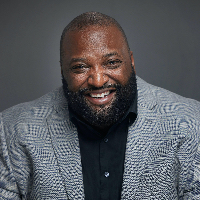
About Patrick
He uses several therapy methods to fit different needs, including client-centered work and cognitive behavioral techniques. He also draws on existential ideas and narrative approaches to help people make sense of major life changes. Sessions are described as collaborative, with attention to practical problems and daily coping strategies.
Dr. Casthely's background includes substantial work in community mental health, substance use treatment, and private practice. That experience informs his work with people facing complex, overlapping concerns such as chronic illness, caregiving strain, and co-morbidity. He also lists work on relationship problems, parenting stress, and career concerns.
In practice he focuses on helping people identify realistic goals and on building skills for managing mood, anxiety, and addictive behaviors. He uses talk-based methods alongside structured skill building when appropriate. He notes a history of working with diverse life situations and relationship patterns.
For prospective clients the first step is to complete a short matching questionnaire and schedule a first session. Payment is handled through a subscription model that can be canceled at any time. International clients are not accepted; sessions are offered in English in Florida.
Areas of expertise
Primary focus
Also works with
Additional focus areas
Therapeutic approaches
Experience
30+ years
Credentials
Florida
Languages
English
Approaches used in online sessions and how they help
Client-centered therapy focuses on the person's experience and priorities. The therapist listens closely, reflects what is important, and helps people set their own goals; this can help with relationship concerns and changes in life roles.Cognitive Behavioral Therapy (CBT) looks at the link between thoughts, feelings, and actions. It introduces practical exercises and coping strategies for anxiety, depression, and addictive behaviors.
Existential therapy addresses questions about meaning, purpose, and major life transitions. It can be useful for people facing retirement, loss, or big role changes in later life.
Deciding which approach to use is part of the work. The therapist will help figure out what fits based on your concerns, goals, and preferences. That decision is revisited over time as needs change.
If you are considering online sessions, confirm the current session options before booking since formats are not specified here. Online work can make it easier to fit therapy into a busy day, allow for shorter check-in visits, and reduce travel time. Different approaches translate well to remote sessions because they can focus on conversation, homework tasks, and skill practice that fit into everyday life.
Frequently asked questions
What kinds of concerns does he help with?
He works with stress, anxiety, addictions, depression, grief, relationship and intimacy issues, and coping with life changes. Aging and geriatric issues are listed among his additional focus areas.
What is his general therapeutic style?
He uses an eclectic approach that combines client-centered work, cognitive behavioral techniques, existential ideas, and narrative methods. Sessions are collaborative and include both discussion and practical skill building.
How much experience does he have?
He has 30 years of experience across community mental health, substance use treatment, and private practice settings. That background informs work with complex or overlapping problems.
What credential does he hold and where is he based?
He is a Licensed Mental Health Counselor (LMHC) and is based in Florida.
Which languages are supported in sessions?
Sessions are offered in English.
Can international clients book with him?
He does not accept international clients at this time.
How are fees handled?
Fees vary with location and sessions use a subscription that can be canceled at any time.
What are the steps to begin working with him?
Start by selecting the See online therapy options button, complete a short matching questionnaire, and then schedule a first session.