- Person-centred approach
- Attachment-informed work
- CBT techniques
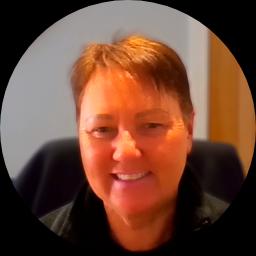
About Karen
Karen practised in a GP surgery and worked as a trauma counsellor supporting people who had experienced self-harm and child sexual abuse. She has also worked in occupational health with the police, giving her experience of workplace stress, bereavement and other losses. These roles shape how she recognises the pressures people bring into sessions.
Her approach is rooted in person-centred work, which places the client’s experience at the centre. She combines that with attachment-informed thinking and cognitive behavioural techniques when they suit the issue. EMDR and existential ideas are also part of the toolkit she may draw on.
Sessions are described in her original profile as being available by video, phone and chat. If a reader needs a specific session format they should confirm current options before booking. International clients are not accepted at this time.
Karen welcomes people who have experienced narcissistic abuse or gaslighting and helps them name what has happened. She also notes experience with ADHD and people on the autism spectrum and invites discussion of individual needs and interests.
Areas of expertise
Primary focus
Also works with
Additional focus areas
Therapeutic approaches
Experience
18+ years
Credentials
BACP · United Kingdom
Languages
English
How her approaches translate to online work
Attachment-based work looks at patterns in close relationships and helps people understand how earlier bonds affect current feelings and reactions. It can be useful for relationship issues, grief and for people who notice repeated difficulties in closeness.Person-centred or client-centred work focuses on what the person brings to each session. The counsellor listens without judgement and follows the client’s pace, which can help when people are sorting through life changes or processing loss.
Cognitive behavioural therapy (CBT) offers practical ways to spot and change unhelpful thinking and behaviour. It is often used for anxiety, low mood, sleep problems and coping with stress.
Finding the right approach is part of the work. The therapist will discuss options and collaborate with the client to decide which methods fit their needs, goals and preferences. That conversation usually happens during the first sessions and can be reviewed as progress is made.
The profile notes that sessions have been offered by video, phone and chat, but readers should confirm current formats before booking. Online sessions can make it easier to fit counselling around daily life, reduce travel, allow shorter check-ins when needed, or avoid being on camera if that’s preferable. Registered or accredited professionals use different approaches and will explain how they plan sessions to suit practical needs.
Frequently asked questions
What concerns does she work with?
She lists stress, anxiety, addictions, relationship difficulties, trauma and abuse, depression, grief and a wide range of other issues including aging and geriatric issues.
How would you describe her therapeutic style?
Her core style is person-centred, prioritising the client’s experience, with additional use of attachment-based ideas and cognitive behavioural techniques when appropriate.
How long has she practised?
She has 18 years of counselling experience working in settings such as GP surgery care, trauma services and occupational health.
What credential does she hold and where is she based?
She is a member of the British Association of Counsellors and Psychotherapists (BACP) and works in the United Kingdom.
Which languages are supported?
Sessions are offered in English.
Can I work with her from outside the UK?
International clients are not currently accepted.
What session formats are used?
Her original profile mentions video, phone and chat as session formats; readers should confirm the current session options before booking.
How do I start sessions and what does it cost?
Start by selecting the See online therapy options button, complete a short matching questionnaire, and schedule a first session. Cost varies with location and sessions use a subscription that can be cancelled at any time.