Therapist listings are provided by BetterHelp. We will earn a commission at no extra cost to you if you use our links to buy.

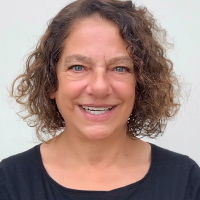
Emily Salkever-Scott

Therapist · New Hampshire

Emily Salkever-Scott, LPC, LCMHC

Licensed counselor - trauma and life changes

  • CBT methods
  • DBT skills
  • Aging support

About Emily

Emily Salkever-Scott is a Licensed Professional Counselor (LPC) and a Licensed Clinical Mental Health Counselor (LCMHC) practicing in New Hampshire with seven years of experience. She works with adults on common concerns that include anxiety, depression, grief and loss, and coping with life changes. She also supports people facing relationship and intimacy issues, addictions, ADHD, and stress related to caregiving and aging. Her approach is trauma-informed and person-centered. She uses clear, practical methods to help people set goals and take steps toward them. Sessions focus on what the client wants to get from therapy and on building skills that can be used between meetings. Emily draws on evidence-based tools such as cognitive behavioral therapy (CBT) and dialectical behavior therapy (DBT). She also uses Acceptance and Commitment Therapy (ACT) and attachment-based ideas when they fit the situation. These methods are used to address mood symptoms, anxiety, coping with loss, and relationship struggles. She has experience working with issues tied to adoption and foster care, abandonment, caregiver stress, aging and geriatric issues, and identity-related concerns like LGBT matters. She can also address sleep problems, anger, career stress, and substance use. Sessions are conducted in English and she accepts international clients. Costs vary by location and sessions are provided through a subscription model that can be canceled at any time. To begin, prospective clients complete a short matching questionnaire and schedule a first session.

Areas of expertise

Also works with

Stress, AnxietyAddictionsLGBTRelationship issuesFamily conflictsSleeping disordersParenting issuesAnger managementCareer difficultiesBipolar disorderDepressionCoachingCompassion fatigueADHD

Additional focus areas

AbandonmentAdoption and foster careAging and geriatric issuesAntisocial personalityAttachment issuesAutism and Asperger SyndromeBlended family issuesBody imageCaregiver issues and stressCommitment issuesCommunication problemsCoping with natural or human-caused disasterDissociationDivorce and separationDrug and alcohol addictionEmptinessFamily of origin issuesFamily problemsFirst responder issuesForgivenessGender dysphoriaGuilt and shameHearing impairedHIV / AIDSHoardingHospice and end-of-life counselingImmigration issuesInfidelityIntellectual disabilityIsolation / lonelinessJealousyLife purposeMen's issuesMidlife crisisVeteran and Armed Forces IssuesMood disordersMulticultural concernsObsessions, compulsions, and OCDPanic disorder and panic attacksParanoiaPersonality disordersPhobiasPolyamory / non-monogamous relationshipsPostpartum depressionPost-traumatic stressPrejudice and discriminationProcess addiction (porn, exercise, gambling)Seasonal Affective Disorder (SAD)Self-loveSexualityVisually impairedWomen's issuesWorkplace issuesYoung adult issues

Therapeutic approaches

Acceptance and Commitment Therapy (ACT)Attachment-Based TherapyClient-Centered TherapyCognitive Behavioral Therapy (CBT)Dialectical Behavior Therapy (DBT)Emotionally-Focused Therapy (EFT)Eye Movement Desensitization and Reprocessing (EMDR)Mindfulness TherapyMotivational InterviewingNarrative TherapySolution-Focused TherapyTrauma-Focused TherapyInternal Family Systems

Experience

7+ years

Credentials

Pennsylvania, New Hampshire

Languages

English

Therapeutic approaches used in online sessions

Acceptance and Commitment Therapy (ACT) helps people notice difficult thoughts and feelings without getting stuck in them. It focuses on values and small committed actions that move someone toward the life they want, which can help with anxiety, depression, and life transitions.

Cognitive Behavioral Therapy (CBT) looks at the link between thoughts, feelings, and behaviors. It teaches practical skills to change unhelpful thinking and behavior patterns, useful for anxiety, low mood, sleep problems, and coping with loss.

Finding the right approach is part of the work. The therapist will discuss options with the client and choose or combine methods based on needs, goals, and preferences. This is a collaborative process aimed at making sessions useful and relevant.

Session logistics should be confirmed before booking because specific formats are not listed here. Online work can make it easier to fit therapy into a busy week, allow shorter check-ins when needed, and reduce travel time. Talk with the therapist about what format and scheduling will best match daily routines and technical comfort.

Frequently asked questions

What kinds of concerns does she help with?

She works with anxiety, depression, grief, stress, relationship and intimacy issues, addictions, ADHD, and concerns tied to aging and caregiving.

What is her therapeutic style?

Her approach is trauma-informed and person-centered. She uses practical, goal-focused work and teaches skills to use between sessions.

How much clinical experience does she have?

She has seven years of experience working in the counseling field with a range of concerns including trauma and mood disorders.

What are her credentials and where is she based?

She holds LPC and LCMHC credentials and practices in New Hampshire.

Which languages are supported?

Sessions are offered in English and she accepts international clients.

What session formats are offered?

Session formats are not specified here; please confirm current session options before booking.

How are sessions priced?

Costs vary with location and services are provided through a subscription that can be canceled at any time.

How do I get started?

Select the See online therapy options button, complete a short matching questionnaire, and schedule a first session.

Back to all therapists · Other surnames under S

Emily Salkever-ScottLPC, LCMHC

See online therapy options