- Anxiety and stress
- Aging related concerns
- CBT and DBT techniques
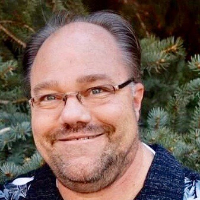
About Brandon
He earned a master’s degree in Clinical Mental Health Counseling from the University of Phoenix in 2012. Before moving into counseling he spent a decade working in law enforcement, and he brings that background into how he understands stress and resilience. Brandon uses practical tools in sessions, such as mindfulness, meditation, breathing techniques, and cognitive reframing.
His main therapeutic approaches include cognitive behavioral therapy, dialectical behavior therapy, and client-centered methods. Brandon also draws on existential ideas and hypnotherapy when appropriate. Sessions focus on clear techniques and steady problem solving rather than jargon or vague therapies.
People meet him to talk through life transitions like retirement, health changes, loss, caregiving stress, and family communication challenges later in life. He aims to help people build skills for coping, reduce distressing symptoms, and clarify next steps for relationships or career choices.
Sessions are offered in English. For practical details about scheduling and how to begin, prospective clients are asked to follow the site’s booking flow and complete the short matching questionnaire before arranging a first visit.
Areas of expertise
Also works with
Additional focus areas
Therapeutic approaches
Experience
10+ years
Credentials
Utah
Languages
English
How his approaches translate to online sessions
Client-centered therapy focuses on listening and supporting a person’s own goals. In practice this means sessions concentrate on what matters most to the client and adjust the pace and focus to their needs. Cognitive Behavioral Therapy, or CBT, looks at thoughts and behaviors and teaches concrete strategies like cognitive reframing and behavioral experiments to reduce anxiety and depression. Dialectical Behavior Therapy, or DBT, emphasizes emotion regulation and practical skills such as mindfulness, distress tolerance, and interpersonal effectiveness that help in high-stress situations.Finding the right approach is part of the work. He will collaborate with each person to choose which methods to try first and will adjust the plan based on how the techniques are working. This collaborative process helps identify what fits the client’s goals and daily life.
Confirm the kinds of session options offered before booking, as formats are not listed in the biography. Online sessions can make it easier to fit therapy around other commitments, allow shorter check-ins when needed, and remove travel time. They also make it simpler to continue work during life transitions like caregiving changes or medical appointments. Ask about scheduling, session length, and how the subscription model works when you complete the matching questionnaire.
Frequently asked questions
What kinds of concerns does he work with?
He supports people with anxiety, depression, addictions, trauma and abuse, grief, caregiver stress, aging and geriatric issues, relationship and intimacy-related problems, ADHD, and related concerns.
How would he describe his therapeutic style?
He uses practical, skills-based work drawn from client-centered care, cognitive behavioral therapy (CBT), and dialectical behavior therapy (DBT), with mindfulness and breathing exercises when useful.
How much experience does he have?
He has ten years of experience and completed a master’s degree in Clinical Mental Health Counseling in 2012.
What are his credentials and where is he located?
He is an LCMHC registered in Utah and practices from that state.
Does he work in languages other than English?
Sessions are offered in English.
Can international clients work with him?
He does not accept international clients at this time.
How much do sessions cost?
Cost varies with location; sessions use a subscription model that can be canceled at any time.
How do I get started?
Select the See online therapy options button, complete the short matching questionnaire, and schedule a first session through the booking flow.