- Stress and anxiety
- Grief and loss
- Solution-focused methods
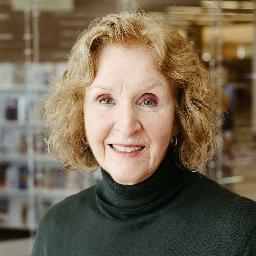
About Barbara
She trained as a nurse and earned a master’s degree from Rutgers University, then moved into psychotherapy work across hospitals, home care, and outpatient settings. Her background includes long-term clinical experience with grief, trauma, bipolar disorder, and chronic illness. This mix of medical and social work experience informs her viewpoint.
In sessions she focuses both on immediate problems and on patterns that underlie them. She listens, reflects what she notices, and works with a person’s values and hopes to set practical goals. Sessions often include talking through current stressors and identifying small changes that reduce pressure and support clearer thinking.
Barbara uses a range of approaches to fit different needs. She draws on Client-Centered ideas, Cognitive Behavioral techniques, Emotionally-Focused strategies, Psychodynamic perspectives, and Solution-Focused methods. She aims to blend these so people get straightforward tools and space to consider deeper issues.
People who choose her typically want a therapist with long experience in both medical and mental health settings. She accepts international clients and holds sessions from New Jersey. To begin, she asks for a few sentences about the concerns someone is bringing so a first session can be scheduled.
Areas of expertise
Primary focus
Also works with
Additional focus areas
Therapeutic approaches
Experience
35+ years
Credentials
New Jersey
Languages
English
Approaches used in online sessions
Barbara commonly uses Client-Centered Therapy and Cognitive Behavioral Therapy in her work. Client-Centered Therapy focuses on listening and reflecting, helping people clarify their values and goals. It is useful for working through grief, relationship concerns, and life changes. Cognitive Behavioral Therapy (CBT) looks at patterns of thought and behavior and introduces practical exercises to reduce anxiety, improve sleep, and manage mood symptoms.She also draws on Emotionally-Focused Therapy when emotions in relationships are central. EFT helps people recognize and name feelings and improves communication around intimacy and family concerns. Together these approaches give options for both short-term problem-solving and deeper emotional work.
Finding the right approach is part of the work and will be decided together. The therapist will discuss goals, preferences, and what feels most practical. That collaborative process helps choose whether to focus on behavior changes, emotional processing, or relationship patterns.
The original biography does not specify session formats, so confirm available options before booking. Online work can make it easier to fit sessions into a busy day, reduce travel, and allow a regular check-in when schedules or caregiving duties are tight. It can also allow shorter or more frequent visits when that suits a person’s needs.
Frequently asked questions
What concerns does she help with?
She works with stress, anxiety, grief, depression, parenting concerns, relationship and family problems, plus aging and geriatric issues and related caregiver stress.
What is her therapeutic style?
She combines Client-Centered, Cognitive Behavioral, Emotionally-Focused, Psychodynamic, and Solution-Focused approaches and adapts them to immediate problems and longer patterns.
How much clinical experience does she have?
She has 35 years of professional experience, including work in hospitals, home care, and ongoing psychotherapy practice.
What are her credentials and where is she based?
She is a Licensed Clinical Social Worker (LCSW) licensed in New Jersey and practices from that state.
In which language are sessions offered?
Sessions are offered in English and she accepts international clients.
What session formats are available?
The original biography does not list specific session formats; please confirm current session options before booking.
How much do sessions cost?
Cost varies with location and sessions use a subscription that can be canceled at any time.
How do I get started?
Select the See online therapy options button, complete a short matching questionnaire, and schedule a first session.