- Stress and anxiety
- Grief and loss
- Aging related issues
About April
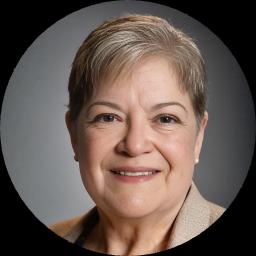
April uses practical, goal-focused techniques in sessions. She draws on client-centered methods and cognitive behavioral strategies to help people notice unhelpful thinking and try small changes. Motivational approaches are used when someone needs support finding reasons to make a change. Hypnotherapy and solution-focused tools are also part of her toolkit depending on the persons needs.
Sessions are conversational and direct. April treats people as the experts on their lives and helps them identify strengths they already have. She aims to work at a steady pace so concerns such as sleeping problems, anger, self-esteem, career worries, and caregiver stress can be addressed with clear steps.
Her practice includes work with issues that commonly appear later in life, such as caregiving stress, chronic illness and disability, and coping with life changes tied to aging. She also lists areas like codependency, communication problems, and compassion fatigue among her concerns.
Aprils experience spans many settings over nearly three decades. She asks people to complete an initial match process so they can schedule a first session and begin planning practical next steps together.
Areas of expertise
Also works with
Additional focus areas
Therapeutic approaches
Experience
28+ years
Credentials
Florida
Languages
English
How clinical approaches guide online work
Client-Centered Therapy focuses on listening and helping the person set the pace for change. In practice this means the therapist asks questions, reflects what she hears, and helps people name goals they want to work toward. Cognitive Behavioral Therapy (CBT) looks at thoughts, feelings, and behaviors together and uses specific exercises to shift patterns that maintain anxiety, low mood, or sleep problems. Motivational Interviewing supports people who feel uncertain about change by exploring their own reasons and enhancing motivation.Finding the best approach is collaborative. April works with each person to decide which methods feel most useful based on goals, temperament, and daily demands. She will adjust techniques as progress is reviewed so sessions remain practical and relevant.
Session formats are not specified in the biography, so confirm current options before booking. Online work can make it easier to fit therapy into a routine, reduce travel time, and allow shorter check-ins when schedules are tight. It can also make planning around caregiving, medical appointments, or mobility limitations simpler while keeping focus on concrete steps and coping tools.
Frequently asked questions
What kinds of concerns does she address?
She works with stress, anxiety, addictions, trauma and abuse, grief, depression, relationship and family concerns, sleeping problems, anger, self-esteem, career issues, and compassion fatigue. Aging and geriatric issues are listed among her focus areas.
What is her therapeutic style?
April combines client-centered care with practical methods such as cognitive behavioral approaches, motivational interviewing, solution-focused techniques, and hypnotherapy when appropriate. Sessions focus on skills, small changes, and clients' strengths.
How much experience does she have?
She has 28 years of professional experience as a social worker and clinician. That background includes work across a range of concerns and settings over her career.
What are her credentials and where does she practice?
She is a Licensed Clinical Social Worker, FL LCSW, practicing in Florida.
Which languages are supported?
Sessions are offered in English.
Can international clients work with her?
She does not accept international clients at this time.
How are sessions paid for?
Cost varies with location. Sessions use a subscription model that can be canceled at any time.
How do I get started?
Choose the See online therapy options button, complete a short matching questionnaire, and then schedule a first session to begin.