- Stress and anxiety
- Addictions support
- Grief and loss
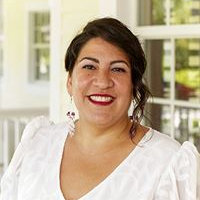
About Zamarys
Her background includes work with people recovering from substance use and those reintegrating after incarceration. She has supported individuals living with life-limiting illnesses and their families through grief. Her caseload has included clients struggling with childhood trauma, family conflict, and problems in intimate relationships.
Zamarys describes a conversational, interactive counseling style. She listens closely and responds in a way that reflects each person’s experience. She draws on a strengths perspective and adjusts methods to how a person processes emotions.
Her approach uses Client-Centered Therapy alongside Cognitive Behavioral Therapy and Dialectical Behavior Therapy when those tools fit the work. She also uses existential and mindfulness ideas to help people reflect on values and cope with difficult feelings.
Sessions are aimed at practical problem solving and skill building. Typical work includes managing anxiety, reducing substance-related harms, coping with loss, improving communication, and supporting caregivers. People who prefer a direct, respectful conversation about specific problems often find this approach useful.
Areas of expertise
Also works with
Additional focus areas
Therapeutic approaches
Experience
10+ years
Credentials
Florida
Languages
English
Therapeutic approaches and online care
Client-Centered Therapy focuses on listening and building a respectful therapeutic relationship. The therapist follows the client’s lead and helps people talk through what matters most to them and how they want to change.Cognitive Behavioral Therapy, or CBT, looks at how thoughts and behaviors connect. It uses practical exercises and skills to reduce anxiety, manage mood, and change patterns that keep problems going.
Dialectical Behavior Therapy, DBT, teaches skills for managing strong emotions and improving relationships. It includes strategies for distress tolerance, emotional regulation, and clearer communication.
Finding the right approach is part of the work together. The therapist will discuss goals, preferences, and day-to-day needs to decide which methods to use. That decision is collaborative and may change over time as progress is made.
Confirm the available session formats before you book, as the profile does not list specific options. Online sessions can make it easier to fit therapy into a busy week, allow shorter check-ins when needed, or reduce travel time for those caring for others. Talk with the therapist about what will work best for scheduling and how to structure sessions around your life.
Frequently asked questions
What concerns does she address?
She works with stress, anxiety, addictions, trauma and abuse, grief, depression, relationship and family issues, and aging and geriatric issues among other areas.
What is her therapy style like?
Her style is conversational and interactive. She listens closely and adapts methods to how each person processes emotions.
How much experience does she have?
She has ten years of clinical experience working across settings with people recovering from substances and those facing life-limiting illnesses.
What are her credentials and where is she based?
She is a Licensed Clinical Social Worker, LCSW, licensed in Florida and practices from that state.
Does she offer sessions in other languages?
Sessions are offered in English.
Can I book sessions from outside the United States?
She does not accept international clients at this time.
How does payment and cost work?
Cost varies with location and sessions use a subscription model that can be canceled at any time.
How do I start a first session?
Select the See online therapy options button, complete a short matching questionnaire, and schedule your first session.