- Stress and anxiety
- Caregiver support
- Mindfulness and CBT
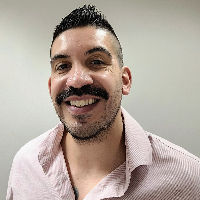
About Zachary
He began in adult residential care while completing a bachelor’s degree in philosophy with a psychology minor. That background informs how he thinks about difficult questions and life transitions. He completed a master’s degree in social work in 2013 and has worked across foster and adoption services, child welfare investigations, inpatient hospital settings, interdisciplinary teams, and outpatient therapy.
In outpatient practice he draws on client-centered methods along with cognitive behavioral and existential ideas. He also uses mindfulness and motivational interviewing to support coping and decision making. Sessions focus on practical steps clients can use between meetings and clear ways to measure progress.
Zachary works with people dealing with trauma and abuse, addiction and substance concerns, ADHD-related challenges, bipolar mood issues, and compassion fatigue. He also helps with attachment and family of origin issues, abandonment and adoption-related questions, and intimacy-related struggles.
He aims to make sessions straightforward so people can speak honestly about what is hard. From that starting point he and the person pick interventions that fit the problem and daily life. His California LCSW credential is listed as LCSW and he offers services in English.
To begin, readers can use the site matching steps to choose online therapy options, complete a short questionnaire, and schedule an initial session.
Areas of expertise
Also works with
Additional focus areas
Therapeutic approaches
Experience
5+ years
Credentials
California
Languages
English
How his approaches translate to online sessions
Client-centered work focuses on what matters to the person in front of him. Zachary listens to priorities, adjusts goals, and helps people set concrete steps they can try between sessions. This approach supports concerns like caregiver stress and relationship problems.Cognitive Behavioral Therapy (CBT) looks at how thoughts, feelings, and behaviors connect. In practice he helps people identify patterns, test new ways of responding, and try small behavioral experiments to reduce anxiety or low mood.
Existential therapy addresses questions about meaning, choice, and life transitions. For people coping with retirement, loss, or the changes that come with aging, it offers space to evaluate values and make decisions that fit current circumstances.
Finding the right approach is a collaborative process. He will work with each person to choose methods that match goals, preferences, and daily responsibilities. That means adjusting techniques over time and checking what actually helps.
Session formats are not specified in the biography, so confirm current options before booking. Online sessions can make it easier to fit therapy into a busy day, allow shorter check-ins when needed, or avoid travel to appointments. These practical benefits help therapy fit into everyday life without promising a specific service.
Frequently asked questions
What concerns does he address?
He works with stress, anxiety, trauma, grief, depression, addiction, relationship and intimacy issues, and aging-related concerns among others.
What is his general therapy style?
He uses a client-centered approach and combines cognitive behavioral, existential, mindfulness, narrative, and motivational interviewing techniques.
How much clinical experience does he have?
He has five years of practice experience and prior work in residential care, foster and adoption services, inpatient settings, and outpatient therapy.
What are his credentials and where is he based?
He holds an LCSW credential and practices in California.
Which languages are supported in sessions?
Sessions are offered in English.
Can I have sessions from another country?
He does not accept international clients at this time.
How are fees handled?
Cost varies with location; sessions use a subscription that can be canceled at any time.
How do I begin a first appointment?
Select the See online therapy options button, complete a short matching questionnaire, and schedule a first session.