- Client-centered approach
- Cognitive behavioral tools
- Caregiver stress support
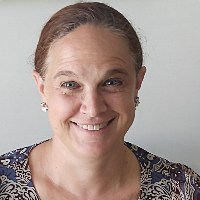
About Toni
Her style is client-centered, which means she listens without judgment and focuses on each person's strengths. Sessions are straightforward and practical. Toni uses tools from Cognitive Behavioral Therapy and solution-focused work to help people change unhelpful thinking and try new behaviors.
She also draws on motivational interviewing and narrative therapy when they fit a person's goals. That can help with addiction, motivation for change, or reframing difficult life events. Expect to talk through problems, set small goals, and try exercises between sessions.
Toni has long experience with family and relationship concerns, including blended family issues, adoption and foster care topics, and communication problems. She also supports people coping with chronic illness, pain, or disability and with recovery from trauma and abuse.
The description above gives a clear view of her background and practical approach. If you are looking for help with later-life transitions, caregiving strain, or other concerns listed here, consider the next steps to learn about sessions and fit.
Areas of expertise
Primary focus
Also works with
Additional focus areas
Therapeutic approaches
Experience
25+ years
Credentials
North Carolina
Languages
English
How Toni uses therapies online
Client-Centered Therapy focuses on understanding each person's perspective and building on their strengths. Online sessions using this approach typically involve reflective listening, open questions, and collaborative goal-setting to address issues like caregiving stress or life changes.Cognitive Behavioral Therapy, or CBT, looks at the links between thoughts, feelings, and actions. In online meetings this can mean identifying unhelpful thinking patterns, practicing new responses, and using short exercises between sessions to reduce anxiety or depressive symptoms.
Motivational Interviewing helps people find their own reasons to change. It is useful for addictions, starting new routines, or deciding how to manage a long-term health condition. The therapist listens for what matters to the person and supports small steps toward their goals.
Finding the right approach is part of the work together. The therapist will discuss options, try methods that fit the client's goals, and adjust strategies based on what helps. This is a collaborative process that aims to match methods to practical needs.
The exact session formats for remote work are not specified in the biography, so confirm current options before booking. Many people choose remote sessions because they fit more easily into daily life, allow check-ins during a busy day, or make it simpler to attend when caregiving or health needs limit travel.
Frequently asked questions
What kinds of concerns does she work with?
She works with stress, anxiety, depression, relationship issues, grief, addictions, ADHD, and aging and geriatric issues among other concerns.
How would you describe her therapeutic style?
Her approach is client-centered and practical, using listening, goal-setting, and skills practice. She also uses Cognitive Behavioral Therapy and solution-focused methods when helpful.
How much experience does she have?
She has 25 years of experience as a counselor and a Master of Science in Counselor Education from Syracuse University.
What are her credentials and where is she based?
She is an LCMHC licensed in North Carolina and practices in that state.
Which languages are supported?
Sessions are offered in English.
Can she work with international clients?
She does not accept international clients at this time.
How are session costs handled?
Cost varies with location; sessions use a subscription that can be canceled at any time.
How do I begin working with her?
Click the See online therapy options button, complete the short matching questionnaire, and schedule a first session to get started.