- Stress and anxiety
- Grief and loss
- Mindfulness and CBT
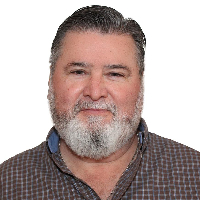
About Terence
He trained in private-practice settings and has substantial public-sector experience. His approach is classically grounded while drawing on a range of methods. He often uses client-centered work and brief, solution-focused techniques, adapting the pace to what a person needs.
Sessions tend to focus on practical steps and clearer thinking. He uses cognitive behavioral ideas to spot unhelpful patterns and mindfulness methods to steady attention. Jungian and existential perspectives appear when people want to look at meaning, identity, or life transitions.
People come for help with caregiving stress, navigating retirement or health changes, grieving losses, and relationship or intimacy concerns later in life. He also supports those facing substance use, ADHD, eating difficulties, and career or self-esteem issues.
Dr. Rooney describes therapy as collaborative. He listens for what matters most, offers tools that suit the person, and shifts approach if something is not working. To begin he asks prospective clients to complete an initial questionnaire and schedule a first session so treatment goals can be set together.
Areas of expertise
Primary focus
Also works with
Additional focus areas
Therapeutic approaches
Experience
40+ years
Credentials
California
Languages
English
How therapeutic approaches are used in online sessions
Client-Centered Therapy focuses on listening and reflecting so the client leads the conversation. It helps when someone needs support naming feelings or making decisions about relationships, caregiving, or life changes.Cognitive Behavioral Therapy (CBT) looks at thoughts and behaviors that keep problems going. It offers practical exercises and homework to test unhelpful beliefs and reduce anxiety or depressive patterns.
Existential Therapy examines questions about meaning, role changes, and identity in later life. It can help people facing retirement, loss, or major health shifts who want to consider values and purpose.
Finding the right approach is part of the work. The therapist will collaborate with the client to choose methods that match goals and preferences, and will adjust over time if something feels unhelpful.
The biography does not specify which online session formats are used, so confirm current options before booking. Many people find that remote sessions make it easier to fit therapy into a busy day, allow shorter check-ins when needed, or avoid travel to appointments. Discussing practical scheduling needs at the first meeting helps shape sessions that work with everyday routines.
Frequently asked questions
What concerns does he work with?
He works with stress, anxiety, grief, depression, addictions, relationship and intimacy issues, parenting and career concerns, and coping with life changes including aging and geriatric issues.
How would you describe his therapy style?
His style is classically trained and practical. He uses client-centered listening, brief solution-focused work, and mixes in CBT, mindfulness, Jungian and existential ideas as useful.
How much clinical experience does he have?
He has about 40 years of clinical experience, including private practice supervision and extensive public-sector work.
What are his credentials and where is he based?
He is listed as CA Psychologist 18919 and practices in California.
Does he offer sessions in other languages or to international clients?
Sessions are offered in English. He is not accepting international clients at this time.
What session formats are available?
The original biography does not specify session formats. Please confirm current session options before booking.
How are fees handled?
Cost varies with location and sessions use a subscription that can be canceled at any time.
How do I begin working with him?
Start by selecting the See online therapy options button, complete a short matching questionnaire, and schedule a first session.