- Stress and anxiety
- Grief and loss
- Attachment work
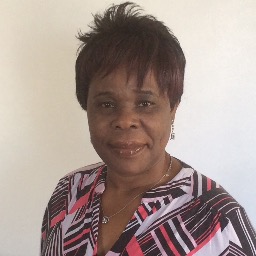
About Susanna
Susan uses direct conversation to help people gain clarity about their situation. She supports exploration of thoughts and feelings, and works with clients to set practical goals. The first sessions often focus on understanding current difficulties and deciding what change would feel most useful.
Her approach draws on attachment-based ideas to look at close relationships, client-centred listening to follow the person’s priorities, and cognitive behavioural techniques to work on thoughts and behaviours that maintain distress. Emotionally-focused methods are used for relationship work and for recognising emotional patterns in the present.
People contact Susan for bereavement, long-term stress, sleep and eating difficulties, caregiver strain and life transitions such as retirement or health changes. She also lists work with ADHD, bipolar symptoms and compassion fatigue among her areas of interest.
Susan mentions training in couple and family therapy and a certificate in emotionally focused work for couples. She welcomes international clients and offers sessions in English. Before booking, users should confirm current session formats and scheduling details.
Areas of expertise
Primary focus
Also works with
Additional focus areas
Therapeutic approaches
Experience
15+ years
Credentials
BACP · United Kingdom
Languages
English
How her approaches translate to online work
Attachment-based work looks at how close relationships affect feelings and behaviour; online sessions can use conversation to map these patterns and plan different ways of relating. Client-centred therapy focuses on listening and following what matters to the person, and that style translates well to video or phone conversations where the client leads the topics. Cognitive behavioural therapy (CBT) involves noticing unhelpful thoughts and testing new behaviours; tasks and short exercises discussed in session can be used between meetings to build new habits.Finding the right approach is part of the work. The therapist will talk with the client about their goals and preferences and jointly decide which methods to try first. That collaborative planning can include adjusting the pace, trying different techniques and reviewing what helps over time.
The biography lists messaging, phone and video as offered formats, so confirm current session options when booking. Many people find online sessions easier to fit around appointments, caregiving duties or travel, and phone sessions can be simpler when less bandwidth or no camera is preferred. Discuss practical arrangements with the therapist so sessions fit into everyday life and support the goals you bring to therapy.
Frequently asked questions
What types of problems does she work with?
She works with stress, anxiety, addiction, grief, relationship and family issues, and lists aging and geriatric issues among her additional focuses.
How would she describe her therapeutic style?
Her style combines client-centred listening, attachment-based work and cognitive behavioural techniques to help people understand patterns and set practical goals.
How much experience does she have?
She has 15 years of experience working with a range of concerns including trauma, bereavement and caregiver stress.
What credential does she hold and where is she based?
She is registered with the British Association for Counselling and Psychotherapy (BACP) and practises in the United Kingdom.
Which languages are supported?
Sessions are offered in English and she accepts international clients.
What session formats are available?
The original biography lists messaging, phone and video as offered formats; confirm current session options before booking.
How are fees handled?
Costs vary with location and sessions use a subscription model that can be cancelled at any time.
How do I begin to work with her?
Select the See online therapy options button, complete a short matching questionnaire and schedule a first session.