- Stress and anxiety
- Grief and loss
- Client-centered care
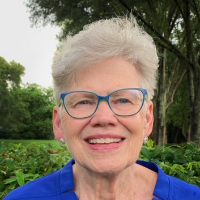
About Susan
Susan uses a client-centered approach that centers the person's concerns and priorities. She listens for what matters most and helps people put words to their experience. She blends other methods when helpful, including cognitive behavioral techniques and motivational interviewing.
Sessions often focus on practical steps and clear goals. That can mean learning ways to manage anxiety, developing coping plans for grief, or practicing strategies to handle relationship strain. Susan also works with people navigating career change, parenting stresses, and addiction-related challenges.
Her background includes work with trauma-focused care and solution-focused methods that aim for concrete progress. She brings experience with complex family-of-origin issues, abandonment and adoption-related concerns, and hospice and end-of-life counseling. The approach is straightforward and goal-oriented, with an emphasis on making everyday life more manageable.
People who find this style helpful are those who want a direct, problem-solving focus together with space to tell their story. To begin, readers should confirm session formats and scheduling details before booking a first appointment.
Areas of expertise
Also works with
Additional focus areas
Therapeutic approaches
Experience
25+ years
Credentials
Florida
Languages
English
Therapeutic approaches and working online
Susan commonly combines client-centered work with cognitive behavioral therapy. Client-centered work means the person’s concerns guide the session and the therapist listens closely so the client can make sense of their experience. Cognitive behavioral techniques focus on identifying thoughts and behaviors that keep problems going and practicing different ways of responding.She may also use motivational interviewing to help people strengthen their own reasons for change. That method is a conversational way to clarify goals, especially for issues such as addiction, readiness for behavioral change, or commitment to a care plan.
Deciding which approach to use is a collaborative step. The therapist will talk with the client about goals and preferences, try methods that fit those goals, and adjust course as needed. That helps ensure the work matches what a person wants to accomplish.
Confirm the specific session formats before booking so you know what options are offered. Online sessions can make it easier to fit appointments into busy days and reduce travel time. They can also allow shorter check-ins when needed or avoid being on camera if that is preferred. Ask about available formats when scheduling to find what works best for you.
Frequently asked questions
What concerns does she work with?
Susan works with stress, anxiety, depression, grief, trauma and related issues. She also focuses on caregiver stress, aging and geriatric issues, chronic illness, addiction, and relationship and family concerns.
What is her therapeutic style?
She uses a client-centered approach as the foundation and includes cognitive behavioral techniques and motivational interviewing when appropriate. Sessions emphasize practical steps and goal setting.
How much experience does she have?
She has 25 years of experience working in mental health settings and with a range of concerns from trauma to long-term caregiving stress.
What are her credentials and where is she based?
She is a Licensed Mental Health Counselor (LMHC) licensed in Florida and practices there.
Which languages are supported?
Sessions are offered in English.
Can I have sessions online or by phone?
Confirm current session formats before booking to know whether online or phone options are available for scheduling.
How does payment work?
Cost varies with location; sessions use a subscription that can be canceled at any time.
What do I do to start a first session?
Select the See online therapy options button, complete a short matching questionnaire, and schedule a first session.