- Attachment based work
- CBT skills
- DBT strategies
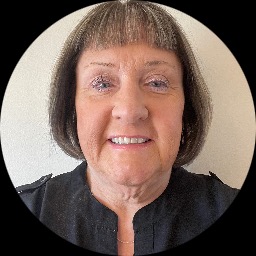
About Stephanie
Her approach is straightforward and person-focused. Sessions center on listening to what is happening now, then using practical strategies to reduce distress. She draws on attachment-informed work to look at patterns in relationships and on cognitive behavioral skills to address thoughts and behaviors that keep problems going.
Stephanie has long experience with people who face trauma at work, including firefighters, police officers, first responders, and healthcare workers. That background shapes how she handles reactions to stressful or traumatic events and the practical steps she suggests afterward.
She uses client-centered techniques that pay attention to each person’s priorities and values. When helpful, she brings in dialectical behavior therapy (DBT) skills for emotion regulation and distress tolerance. The work is collaborative: goals are set together and adjusted as needs change.
If someone is arranging care for a parent or an older relative, she can talk through caregiver stress, medical transitions, and the emotional effects of health change. To begin, the reader is asked to use the site’s matching and scheduling tools to set a first session.
Areas of expertise
Primary focus
Also works with
Additional focus areas
Therapeutic approaches
Experience
37+ years
Credentials
Minnesota
Languages
English
How therapeutic approaches guide online sessions
Attachment-Based Therapy focuses on patterns in close relationships. It helps people understand how early and current connections shape feelings and reactions, which can ease relationship strain and caregiving tensions.Client-Centered Therapy puts the person’s priorities at the center. The therapist listens closely and follows the client’s lead to explore what matters most and decide on next steps together.
Cognitive Behavioral Therapy (CBT) teaches practical skills to change unhelpful thoughts and behaviors. It is useful for anxiety, sleep and eating problems, mood concerns, and many day-to-day difficulties.
Finding the right approach is part of the work. The therapist will discuss these methods and help decide which fit the client’s goals, needs, and preferences. That decision is collaborative and can change over time as progress is reviewed.
The biography does not list specific session formats, so confirm current options before booking. Online work can make it easier to fit sessions around appointments and caregiving, allow shorter check-ins when needed, or reduce travel time for those with mobility or health constraints. Licensed professionals can adapt the methods above to work well in virtual settings, focusing on practical skills, relationship patterns, and problem-solving in ways that fit everyday life.
Frequently asked questions
What concerns does she address?
She works with stress, anxiety, depression, trauma, grief, relationship and intimacy issues, addictions, sleep and eating problems, ADHD, and aging and geriatric issues among other concerns.
How would you describe her therapeutic style?
Her style is client-centered and practical. She combines attachment-informed conversation with cognitive behavioral and DBT skills to address thoughts, feelings, and behavior.
How much experience does she have?
She has 37 years of professional experience working with a wide range of concerns, including trauma in first responders and healthcare workers.
What are her credentials and where is she based?
She is a Minnesota Licensed Independent Clinical Social Worker - MN LICSW, and practices from Minnesota.
Which languages are offered and can international clients be seen?
Sessions are offered in English. She does not accept international clients at this time.
What session formats are available?
The original biography does not list specific session formats. Please confirm current session options before booking using the site tools.
How much do sessions cost?
Cost varies with location; sessions use a subscription that can be canceled at any time.
How do I get started with her?
Select the See online therapy options button, complete the short matching questionnaire, and schedule a first session.