- CBT strategies
- DBT skills
- ACT principles
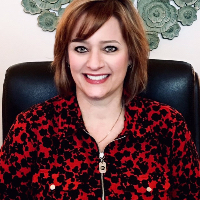
About Shannon
Her training includes master’s degrees in Counseling and in Education, plus a doctorate in Educational Psychology. That mix of classroom and clinical experience guides how she explains problems and practices. She draws on evidence-based talk therapy and psycho-education to identify coping strategies and skills clients can use day to day.
Dr. Hunter uses Cognitive Behavioral Therapy (CBT) and Dialectical Behavior Therapy (DBT) alongside Acceptance and Commitment Therapy (ACT) and Attachment-Based and Client-Centered approaches. That means sessions often include learning new ways to notice thoughts, build routines, and practice emotional skills rather than only talking about feelings.
She has worked in private practice, group clinics, integrated health settings, state facilities, and university campuses. Those different settings shaped a practical style that aims to be clear and direct, with concrete techniques and psycho-educational material when useful.
People who come for help often want support with coping with life changes, caregiver stress, grief, or issues tied to relationships and intimacy. Dr. Hunter offers focused, skills-based work and short teaching segments when those fit the goals discussed in sessions.
Areas of expertise
Primary focus
Also works with
Additional focus areas
Therapeutic approaches
Experience
19+ years
Credentials
Texas
Languages
English
Approaches used in online sessions and how they help
Acceptance and Commitment Therapy (ACT) focuses on noticing thoughts and choosing actions that reflect personal values. It can help with life changes, grief, and ongoing stress by clarifying what matters and building small steps toward those values.Cognitive Behavioral Therapy (CBT) looks at the links between thoughts, feelings, and behaviors. It is useful for anxiety, depression, sleep and eating issues, and for changing unhelpful thinking patterns through straightforward exercises and homework.
Dialectical Behavior Therapy (DBT) teaches emotion regulation, distress tolerance, and interpersonal skills. These tools can assist with intense emotions, relationship strain, and coping during caregiver stress or chronic illness.
Choosing the right approach is a collaborative process. Dr. Hunter will work with each person to decide which methods match their goals and preferences. That may mean mixing ACT, CBT, DBT, or attachment-focused work and adjusting as progress is made.
The original biography does not list specific session delivery methods, so confirm current options before booking. Online work can make it easier to fit sessions into a busy day, reduce travel time, and allow shorter check-ins when needed. Therapists often use structured exercises, breathing or grounding practices, and brief between-session tasks that translate well to remote formats, helping people practice skills in everyday life.
Frequently asked questions
What kinds of concerns does she address?
She works with stress, anxiety, depression, addictions, grief, relationship and intimacy issues, and aging and geriatric concerns among other topics listed in her profile.
How would you describe her therapeutic style?
Her approach combines talk therapy with psycho-education and practical skills. Sessions involve learning coping strategies and practicing techniques such as thought work and emotion regulation.
How much experience does she have?
She has 19 years of professional experience in counseling and education settings.
What credentials and location are listed?
She is an LPC (Licensed Professional Counselor) based in Texas.
Does she work in other languages or with international clients?
Sessions are offered in English. She is not currently accepting international clients.
What session formats are available?
The original biography does not specify session formats. Please confirm current session options before booking.
How are sessions priced?
Cost varies with location; sessions use a subscription that can be canceled at any time.
How do I begin working with her?
Select the See online therapy options button, complete a short matching questionnaire, and schedule a first session.