- Depression support
- Anxiety and stress
- Aging related issues
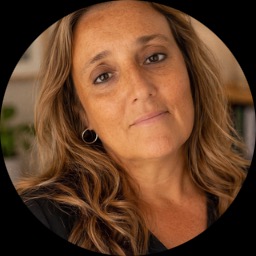
About Robin
She uses straightforward, evidence-informed methods to help people make changes that matter. Sessions often center on understanding patterns, learning new coping skills, and trying small experiments between meetings. Robin listens for what matters most to each person and helps set goals that fit daily life.
Her work draws on approaches such as Acceptance and Commitment Therapy, Cognitive Behavioral Therapy, and Attachment-Based Therapy. These methods help with mood, worry, communication problems, and healing from past hurts. She also uses skills from Dialectical Behavior Therapy and Client-Centered Therapy when they fit a person’s needs.
Robin has supported people through issues like caregiver stress, chronic illness, grief after loss, adoption and foster care concerns, and challenges related to commitment or codependency. Her practice pays attention to the realities that come with later life, such as changing roles, health shifts, and shifts in social connections.
People who choose her can expect practical tools, candid conversation, and a steady focus on usable change. She works with English-speaking adults in Texas and combines skill-building with attention to how past relationships shape present problems.
Areas of expertise
Primary focus
Additional focus areas
Therapeutic approaches
Experience
10+ years
Credentials
Texas
Languages
English
Therapeutic approaches used in online sessions
Acceptance and Commitment Therapy (ACT) helps people notice unhelpful thoughts and focus on values-based action. It can be useful for anxiety, low mood, and life changes by teaching ways to accept difficult experiences while moving toward chosen goals.Cognitive Behavioral Therapy (CBT) looks at the links between thoughts, feelings, and behavior. It offers clear tools for managing worry, depression, and stress through practical exercises and experiment-based homework.
Attachment-Based Therapy addresses how past relationship patterns affect current connections and emotional responses. It can help when relationship problems, trust issues, or attachment wounds are part of the picture.
Finding the right approach is part of therapy. The therapist will work together with the client to decide which methods fit best, based on symptoms, goals, and personal preferences. Sessions can include skill teaching, focused conversation, and real-life practice to test changes between meetings.
Confirm the available session formats before booking, as the biography does not list specific delivery methods. Online sessions can make it easier to fit appointments into busy days, reduce travel time, and allow quicker follow-up between meetings. They also let people choose less intensive check-ins when life is full, such as brief updates rather than longer sessions.
Frequently asked questions
What kinds of concerns does she help with?
She helps with depression, anxiety, stress, relationship difficulties, trauma and self-esteem issues, and also addresses aging and geriatric concerns.
What is her therapeutic style?
She uses a collaborative, practical style that focuses on listening, building coping skills, and setting achievable goals.
How much experience does she have?
She has 10 years of clinical experience working with adults on mood, relationship, and trauma-related concerns.
What are her credentials and where is she located?
She is an LCSW licensed in Texas and practices with clients in that state.
Does she work in languages other than English?
Sessions are offered in English.
Can sessions be remote or by phone?
Please confirm current session options before booking, as the biography does not specify formats.
How does her pricing work?
Cost varies with location and sessions use a subscription that can be canceled at any time.
How do I begin working with her?
Use the See online therapy options button, complete a short matching questionnaire, and schedule a first session.