- Grief support
- Coping skills
- Relationship work
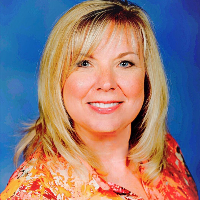
About Phyllis
Dr. Phyl uses clear, practical work in sessions. She listens to the story a person brings and then helps set concrete goals. Sessions often include skill practice, problem solving, and steps to manage emotions and difficult situations.
Her background includes long clinical experience across settings and work with people facing medical and wellness challenges. She has used strength-based and solution-focused methods while attending to life transitions. This includes support for caregiving stress, cancer-related concerns, and adjustment after major losses.
Therapeutic work draws on several approaches including cognitive behavioral ideas, acceptance and commitment ideas, attachment-informed perspectives, emotionally-focused methods, and client-centered listening. These are used to help people understand patterns, shift unhelpful thoughts or behaviors, and try new ways of coping.
In practical terms, she helps people make action plans, set achievable steps, and practice skills between sessions. The focus is on improving daily functioning, relationships, sleep, and coping with changes that come with later life and shifting health or caregiving roles.
Areas of expertise
Primary focus
Also works with
Additional focus areas
Therapeutic approaches
Experience
30+ years
Credentials
Illinois, Ohio, Colorado, Arizona
Languages
English
Therapeutic approaches and working online
Acceptance and Commitment Therapy (ACT) encourages people to notice thoughts and feelings without getting stuck in them, then choose actions aligned with their values. It can help with anxiety, depression, and making purposeful changes. Cognitive Behavioral Therapy (CBT) focuses on identifying and changing unhelpful thinking and behavior patterns, which is useful for anxiety, sleep problems, and mood concerns. Attachment-Based Therapy looks at how early and current relationship patterns shape reactions and can help with relationship and caregiving stresses.Finding the right approach is part of the work. The therapist will review your concerns and goals and recommend methods that fit your needs. You and the therapist decide together which strategies to try and adjust them as you go.
Confirm the specific session formats before booking. If you choose online sessions, they can make it easier to fit therapy into a busy week and reduce travel time. Online work can allow shorter check-ins when needed, let someone join from another location, or avoid the need to be on camera for the whole time. Discuss the practical options when you schedule so sessions match your daily routine and preferences.
Frequently asked questions
What concerns does she help with?
She helps with stress, anxiety, grief, depression, addictions, relationship problems, caregiving stress, and aging and geriatric issues among other concerns.
How would you describe her therapy style?
Her style combines listening with practical steps. She uses goal setting, skill practice, and solution-focused work guided by the client's story.
How much clinical experience does she have?
She has 30 years of clinical experience working across a range of settings with adults and seniors.
What are her credentials and where does she practice?
She holds LPC and LPCC credentials and practices in Illinois.
Which languages are supported in sessions?
Sessions are offered in English.
Does she work with international clients?
She does not accept international clients at this time.
How does cost and payment work?
Cost varies with location; sessions use a subscription that can be canceled at any time.
How do I begin the process?
Select the See online therapy options button, complete a short matching questionnaire, and schedule your first session.